Difference Between Animal Control and Wildlife Removal: What Homeowners Need to Know
November 18, 2025
How to Remove a Snake from Your Yard in South Carolina
December 24, 2025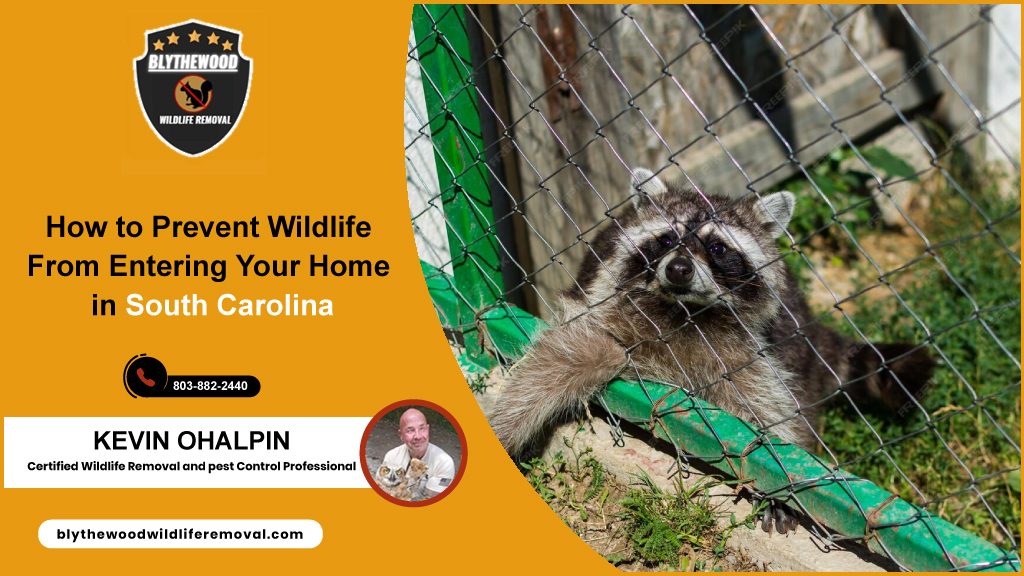
If you’ve lived in South Carolina for long, you know that wildlife is just part of the scenery. From squirrels and raccoons to snakes and bats, South Carolina has no shortage of critters trying to share our spaces. While they may be fascinating to watch in the wild, they become a very different problem when they decide your home is their home too.
Wild animals don’t knock before entering. They look for any weak spot, and once they’re inside, they can chew wires, tear insulation, leave droppings, and even spread disease. The best way to deal with this isn’t by waiting for an infestation; it’s by preventing one in the first place. With the right steps, you can enjoy wildlife where it belongs: outside.
Understanding Why Wildlife Gets Inside
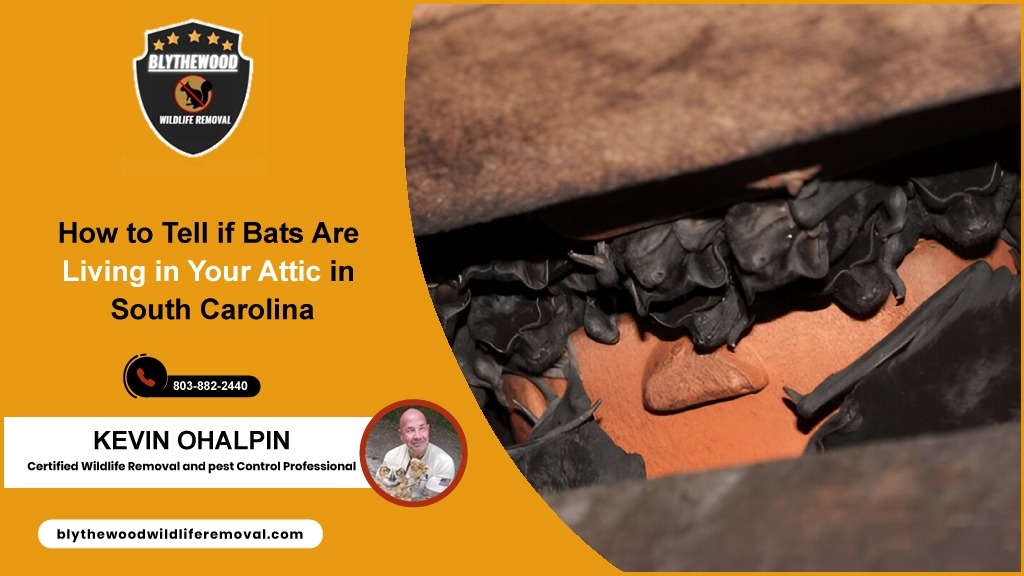
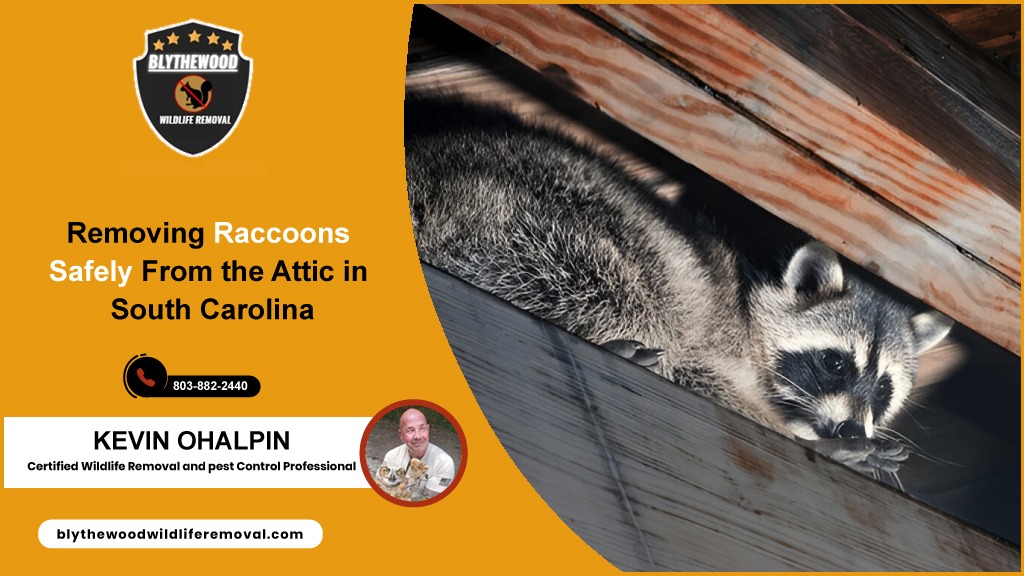
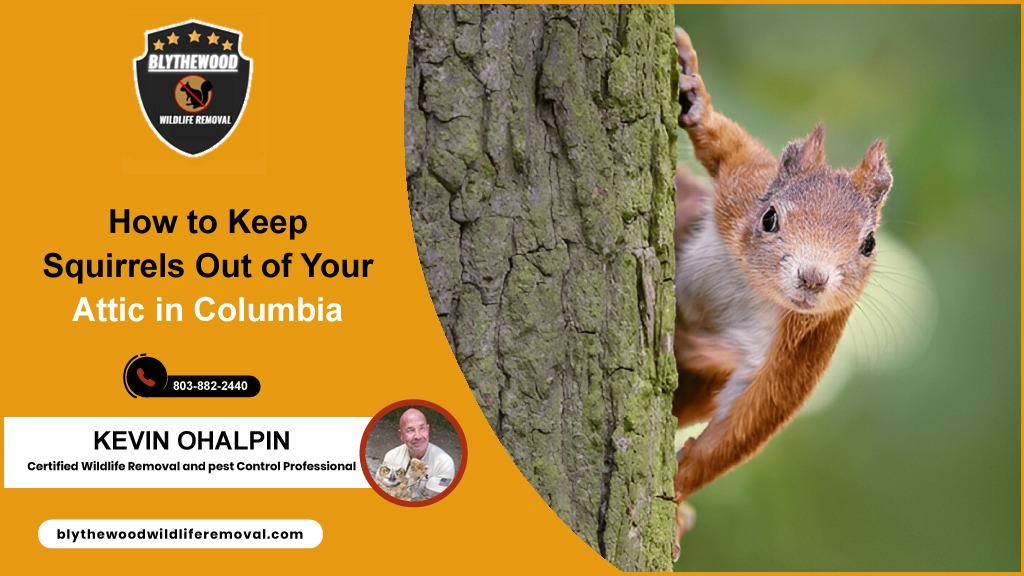
The first step in prevention is knowing what draws wildlife into homes. Most animals enter because they are looking for food, shelter, or a safe place to raise their young. Your attic can be the perfect nursery for a mother squirrel, while a crawl space offers raccoons protection from predators. Even the smallest gap under a roofline can be an open invitation to bats.
In South Carolina, seasonal changes also play a big role. As temperatures drop in the fall, animals look for warm spaces to survive the winter. In spring, they seek quiet, protected areas to have babies. Knowing these patterns makes it easier to time your prevention efforts for the biggest impact.
Identifying Vulnerable Entry Points
Wildlife doesn’t need a front door to get in. In fact, many species can squeeze through openings much smaller than you might think. Mice can fit through holes the size of a dime, and snakes can slither through cracks barely a quarter-inch wide. Common entry points in homes include gaps around roof vents, damaged soffits, unsealed chimneys, loose siding, and spaces around utility lines.
South Carolina homes with older construction or storm damage are often more at risk simply because time and weather weaken building materials. A slow roof leak or warped wood can leave just enough space for a determined animal to get inside. Regular inspections, especially after heavy storms, help catch these vulnerabilities before wildlife discovers them.
Maintaining Your Property to Keep Wildlife Out
One of the best ways to keep wildlife away is by making your property less inviting. Overgrown landscaping can give animals cover and make it easier for them to reach your home. Tree branches that hang over the roof can serve as a natural bridge for squirrels and raccoons. Trimming back vegetation and maintaining open space between your home and dense foliage can significantly reduce the risk of intrusion.
Waste management is equally important. Unsecured trash cans, compost piles, and pet food left outside are open buffets for raccoons, opossums, and rodents. Using animal-proof lids and storing food sources indoors can remove one of the biggest incentives for wildlife to come close.
Protecting Attics, Crawl Spaces, and Chimneys
Your attic, crawl space, and chimney are prime targets for wildlife. Installing secure chimney caps can keep birds, squirrels, and bats from getting in. In attics, check for light coming through gaps during the day; it’s a sign that sealing is needed. Crawl spaces should have intact, well-fitted vents with screens strong enough to resist chewing or scratching.
For South Carolina homeowners, professional wildlife exclusion services can be a worthwhile investment. These services not only find every entry point but also use materials and methods designed to withstand animal damage, which is more reliable than DIY fixes.
Seasonal Prevention Tips for South Carolina
Because wildlife activity changes throughout the year, timing your prevention efforts is key. In the fall, focus on sealing entry points before animals begin searching for winter shelter. In spring, inspect for signs of nesting activity and make sure openings are closed before baby season starts.
Summer can be a good time for roof and siding repairs, as dry weather makes it easier to work and keeps building materials in good condition. Winter, while less active for some species, is a time to monitor for noises, droppings, or other signs that animals may have already moved in.
The Role of Humane Wildlife Control
If you suspect an animal has already entered your home, prevention alone isn’t enough; you’ll need removal followed by exclusion. Humane wildlife control focuses on safely relocating animals when allowed by law and preventing re-entry without harming the animal. This is especially important for species like bats, which are protected and can only be removed during certain times of the year.
Hiring a professional ensures that removal is done legally, humanely, and effectively. In many cases, homeowners who attempt removal themselves either injure the animal or end up sealing it inside, leading to worse problems.
Why Prevention Is More Affordable Than Removal
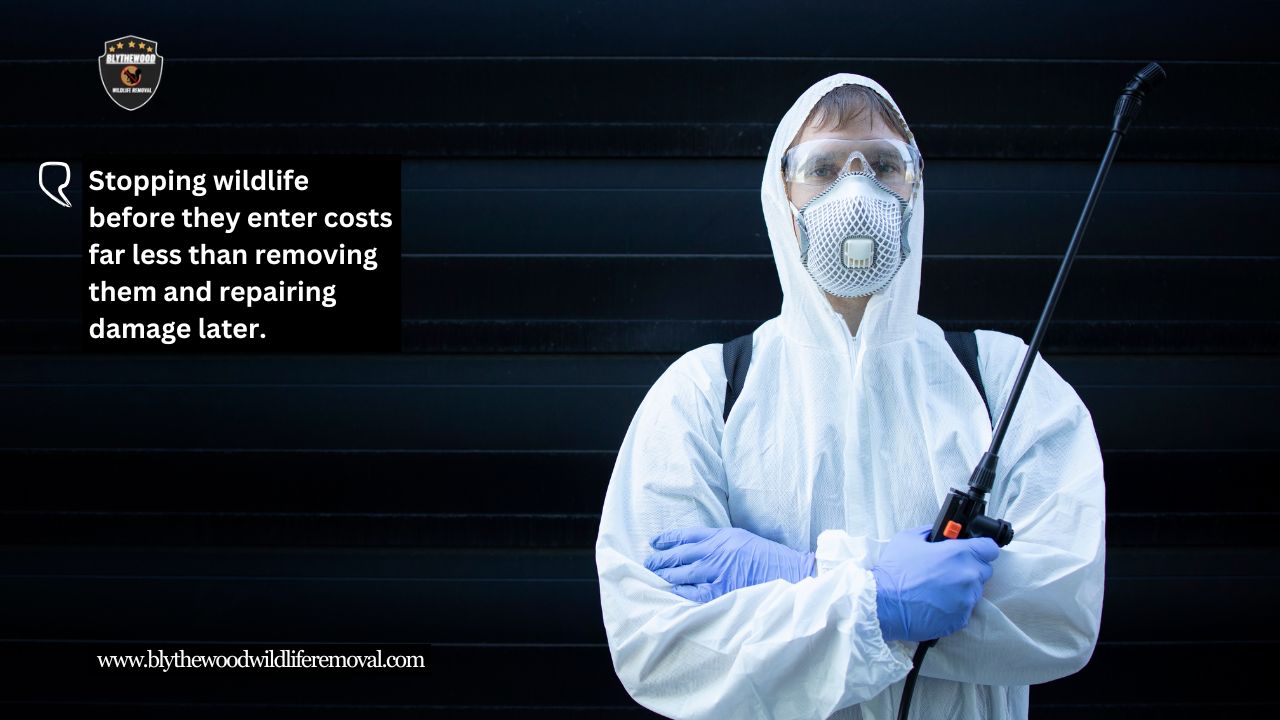
It’s natural to think prevention might be an unnecessary expense, but it’s almost always cheaper than dealing with an infestation. Once wildlife moves in, you’re not just paying for removal; you’re also paying for damage repairs, cleanup of droppings and urine, replacement of insulation, and sometimes even electrical rewiring.
By sealing entry points, maintaining your property, and working with a reputable exclusion service, you avoid those costs and protect your home’s value.
Who to call for help?
If you do find yourself facing a wildlife problem, act quickly and seek professional help. Blythewood Wildlife Removal is here to help you. We provide raccoon, squirrel, rodent, snake, bat, and rat removal services.
The sooner you remove the animals and secure your home, the less damage they can do, and the more peace of mind you’ll have knowing you’ve made your home safe from future invasions. Call us now at 1-803-760-9166 for an inspection.

- How to Prevent Wildlife From Entering Your Home in South Carolina - December 24, 2025