How to Keep Squirrels Out of Your Attic in Columbia
December 24, 2025
How to Tell if Bats Are Living in Your Attic in South Carolina
December 24, 2025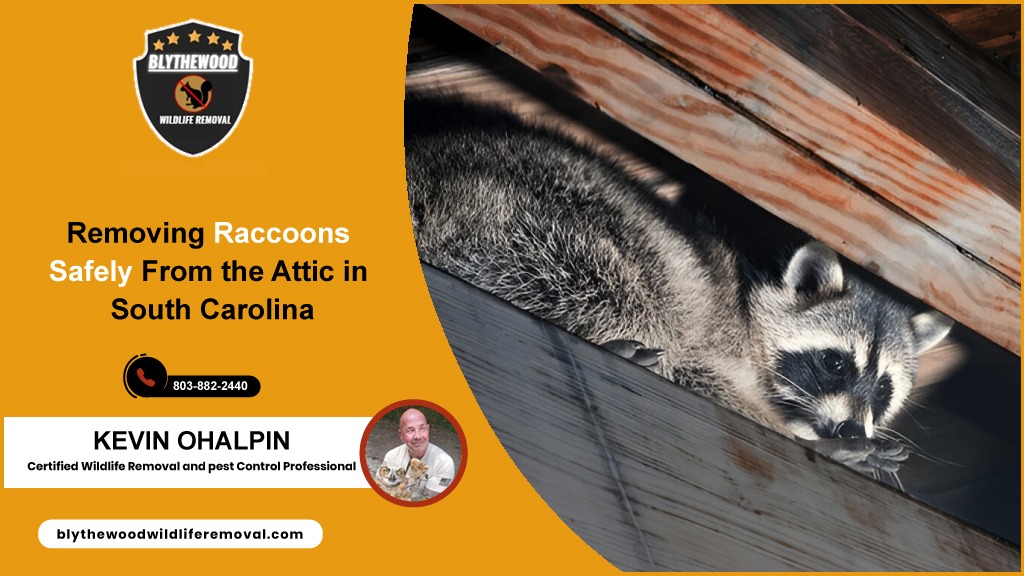
Hearing loud scratching, thumping, or the sound of something heavy moving overhead can be unsettling for any South Carolina homeowner. More often than not, the culprit is a raccoon that has found its way into the attic. These intelligent and adaptable creatures are remarkably good at finding access points, especially during colder months or breeding season. We’ve handled countless raccoon cases, and one thing is always true: if you ignore the problem, it only gets worse.
Raccoons seek out warm, secure spaces to shelter from the elements, and attics provide everything they want: safety, warmth, and quiet. In nature, they might den inside hollow trees or rock crevices, but as neighborhoods expand into wooded areas, homes become a convenient substitute.
Risks of Having Raccoons in the Attic
The dangers go far beyond noise at night. Raccoons are known carriers of rabies, leptospirosis, and raccoon roundworm, diseases that can be harmful to humans and pets. Their droppings and urine not only leave a strong odor but can also contaminate insulation and drywall, sometimes requiring complete attic restoration. In addition, raccoons have the strength to tear vents apart, damage ductwork, rip up insulation, and even chew through wires, creating the risk of electrical fires.
Signs You Might Have a Raccoon Problem
Many homeowners first suspect a raccoon when they hear heavy movements after dark, since raccoons are nocturnal. You might also see torn shingles, bent soffits, or ripped roof vents where they gained access. Some report hearing chattering or growling sounds coming from the attic, especially in spring when mothers are caring for kits. A strong musky odor is another common warning sign. If you notice any of these, it’s time to take action before the situation escalates.
Why DIY Removal is Risky
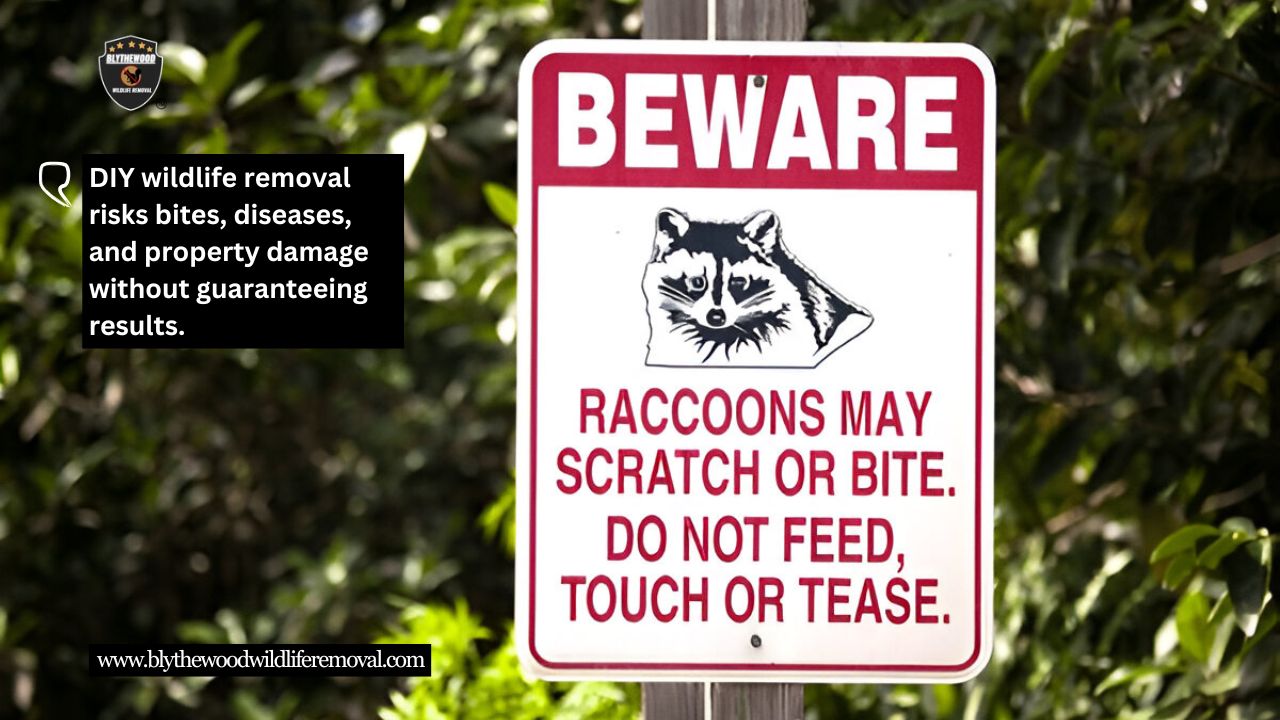
Trying to remove raccoons yourself can be dangerous. A protective mother raccoon can be aggressive if she feels her young are threatened, and attics are tight, confined spaces with limited room to move. There’s also the risk of exposure to diseases or parasites during the removal process. Beyond safety concerns, South Carolina has wildlife handling laws that dictate how and when certain species can be removed. Without professional knowledge, you could unintentionally break the law or harm the animals.
DIY attempts often fail to address the full scope of the problem. For example, removing only the adult raccoon without locating and relocating her kits can leave the young behind to die, leading to odor issues and inhumane outcomes.
Our Humane Raccoon Removal Process
At Blythewood Wildlife Removal, we focus on humane, legal, and effective raccoon removal. The process begins with a thorough inspection of your attic and home exterior to find every entry point and determine if young raccoons are present. If kits are found, we gently remove them and place them in a secure reunion box outside so the mother can retrieve them safely.
For adult raccoons, we often install one-way exclusion devices over entry points, which allow the animals to leave but block their return. In cases where trapping is necessary, we use humane live traps and relocate raccoons to safe, designated habitats far from residential areas.
Sealing and Protecting Your Home
Once the raccoons are gone, preventing them from coming back is just as important as removing them. We use durable, chew-resistant materials to seal entry points, reinforce vulnerable areas, and repair any damage. This might involve replacing damaged roof vents, securing soffits, or repairing holes in fascia boards.
We also offer attic cleanup and decontamination services to remove droppings, replace soiled insulation, and neutralize odors. This step is crucial to restoring the safety of your home and preventing future wildlife from being drawn to the scent.
When to Call for Help
Raccoons are most active in the fall and winter when they seek warmth, and in the spring when mothers are looking for a safe place to raise their young. If you notice signs of raccoons during these seasons, it’s especially important to act quickly. Calling us as soon as you notice the first signs can prevent thousands of dollars in damage and weeks of disruption to your home life.
Removing raccoons safely is not a quick or simple task; it requires skill, experience, and a humane approach that follows South Carolina laws. At Blythewood Wildlife Removal, we combine decades of hands-on wildlife control experience with a deep understanding of raccoon behavior. Our goal is not just to remove the problem, but to solve it permanently so you can enjoy a safe, quiet home again.
If you suspect raccoons have moved into your attic, don’t wait until the damage becomes extensive. Call Blythewood Wildlife Removal today at 1-803-760-9166 to schedule a thorough inspection and take the first step toward reclaiming your attic.
- How to Tell if Bats Are Living in Your Attic in South Carolina - December 24, 2025
- Removing Raccoons Safely From the Attic in South Carolina - December 24, 2025
- How to Keep Squirrels Out of Your Attic in Columbia - December 24, 2025