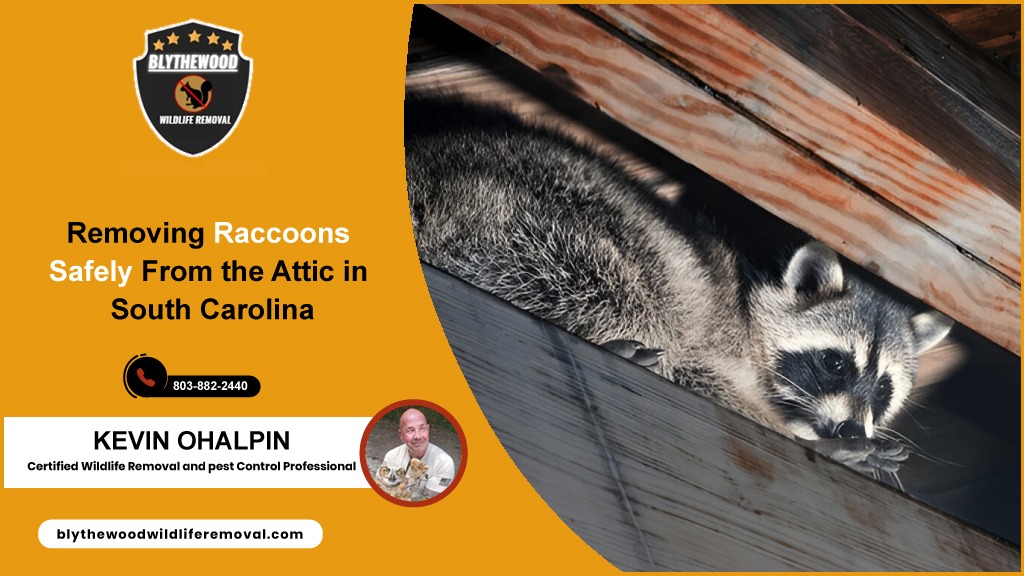
Removing Raccoons Safely From the Attic in South Carolina
December 24, 2025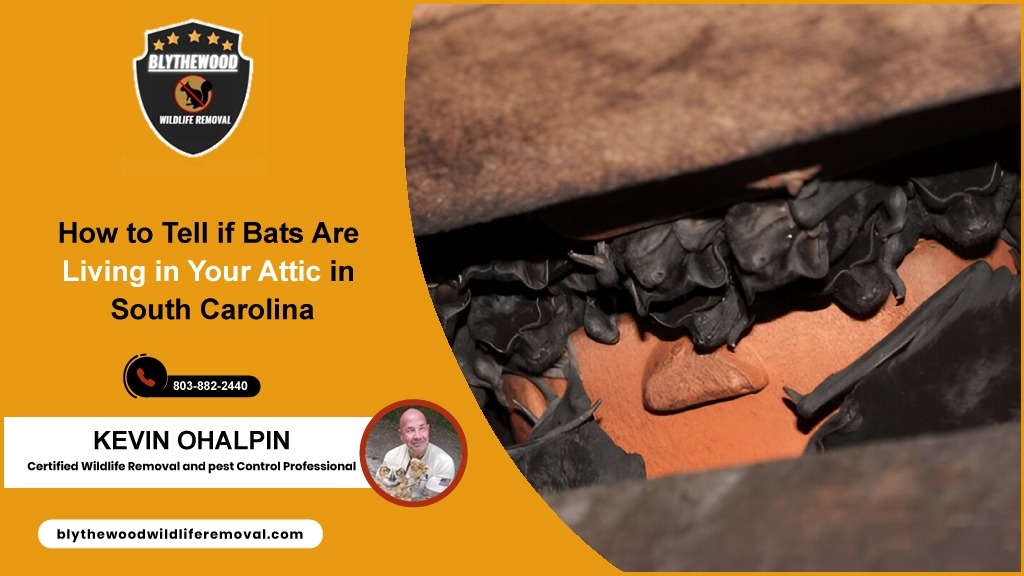
South Carolina’s warm climate, long summers, and abundance of insects make it an ideal environment for bats. While these flying mammals play an important role in controlling mosquito and insect populations, they sometimes choose to roost in places where they aren’t welcome, such as residential attics.
A bat colony can live quietly overhead for weeks or even months before a homeowner realizes they’re there, which is why knowing the signs early is so important. We regularly help families identify and humanely remove bats from their homes before the problem grows into a major health and safety concern.
The Risks of a Hidden Bat Colony
Bats are not aggressive by nature, but having them in your attic poses several dangers. One of the most serious is the potential for rabies, which can be transmitted through bites or scratches. Even if direct contact never occurs, their droppings, known as guano, can accumulate in large quantities and promote the growth of a fungus that causes histoplasmosis, a respiratory disease that can be dangerous if left untreated. Guano can also cause structural damage, corrode wood, and leave a strong ammonia-like odor in your home.
These health and property risks make it essential to identify the presence of bats as soon as possible. The sooner the problem is detected, the easier and safer it is to address.
Common Entry Points for Bats
Before we discuss how to tell if bats are living in your attic, it’s important to understand how they get inside in the first place. Bats are capable of squeezing through gaps as small as half an inch, which means roofline cracks, attic vents, loose fascia boards, and even gaps in siding can be potential entryways. Because they often enter high up on the roof, homeowners may not see them coming and going unless they know exactly when and where to look.
Sounds That Suggest You Have Bats
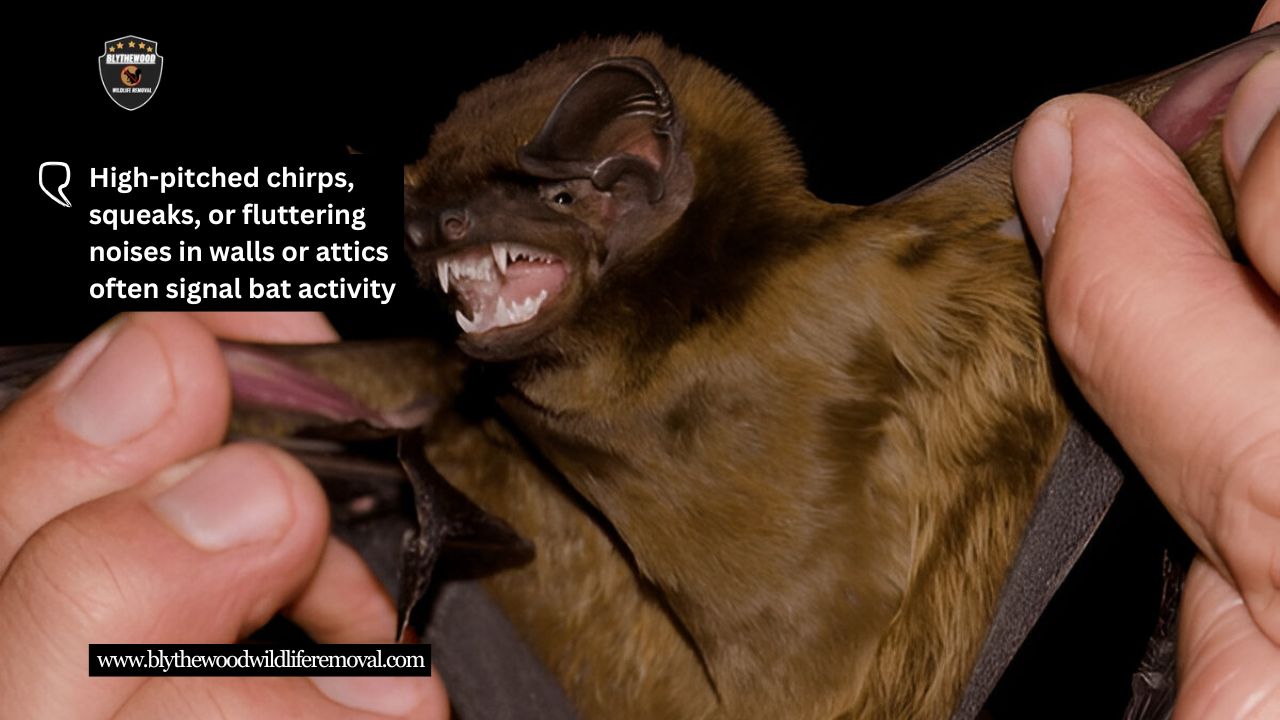
One of the earliest signs of bats in the attic is sound. Unlike larger wildlife, bats make softer noises, so you won’t hear heavy thumping like you might with raccoons. Instead, you might notice light scratching or a faint fluttering as they move around. Bats are nocturnal, so most sounds occur shortly after sunset when they leave to feed, and just before dawn when they return. Some homeowners also report hearing faint squeaking or chirping noises, which are bat communication calls.
Visible Signs of a Bat Infestation
Guano is the most obvious physical evidence of bats. If bats are entering through a specific point, you might notice small piles of droppings beneath that area, either on a window ledge, the ground, or in the attic itself. Bat guano is often shiny due to insect wings and fragments in their diet. In addition to guano, look for dark, greasy stains near entry points. These stains are left behind by the oils in their fur as they repeatedly pass through the same opening.
If you go into your attic and notice a strong ammonia-like smell, this may indicate a long-term presence of bats. In some cases, homeowners discover entire insulation sections soaked with guano and urine, which requires professional cleanup and replacement.
Observing Their Flight Patterns
One of the most reliable ways to confirm bats in your attic is to watch your home from the outside at dusk. Stand far enough away so you can see your roofline and potential entry points. If bats are present, you may see them exiting in small numbers shortly after sunset. They usually emerge in a consistent pattern night after night, making this a dependable observation method.
Why Professional Confirmation Matters
Even if you are confident that bats are in your attic, it’s important to have a professional inspection before taking any action. In South Carolina, bat removal is regulated to protect these beneficial animals, especially during maternity season when flightless young are present. Improper removal at this time can leave baby bats behind, leading to inhumane outcomes and worsening odor problems.
At Blythewood Wildlife Removal, our team is trained to identify signs of bat activity, locate all entry points, and determine whether a colony is raising young. Our inspections ensure that removal is timed and performed legally, safely, and effectively.
Humane Bat Removal and Exclusion
Once bats are confirmed in your attic, the solution is not trapping or killing them; it’s exclusion. We install one-way devices over their entry points that allow bats to leave freely at night but block their return. This method ensures that the colony relocates without harm. After the bats have left, we seal every possible entry point with durable materials to prevent a repeat infestation.
We also provide attic cleaning and guano removal, which is essential for restoring your attic to a safe condition. This includes removing contaminated insulation, disinfecting the area, and neutralizing odors so your home is free from harmful residue and smells.
Acting Quickly Protects Your Home
Bats can live in an attic for years if undisturbed, but the damage from guano and urine builds steadily over time. If you suspect even a small number of bats, calling Blythewood Wildlife Removal as soon as possible can prevent structural damage, reduce health risks, and save you from costly repairs.
Your Local Bat Removal Experts
Identifying bats in your attic is not always easy, but once you know the signs, such as soft noises, guano piles, greasy stains, and evening flight patterns, you can act quickly. In South Carolina, handling bats requires specialized knowledge of both wildlife laws and humane removal practices. Our team at Blythewood Wildlife Removal has the expertise to identify, exclude, and prevent bat infestations so you can enjoy your home without unwanted guests overhead.
If you’ve seen any signs of bat activity, contact us today at 1-803-760-9166 to schedule a professional inspection and take the first step toward a safe, bat-free attic.
- How to Tell if Bats Are Living in Your Attic in South Carolina - December 24, 2025
- Removing Raccoons Safely From the Attic in South Carolina - December 24, 2025
- How to Keep Squirrels Out of Your Attic in Columbia - December 24, 2025