Humane Animal Removal from Attics in South Carolina: A Complete Guide
September 17, 2025
What Animals Are Common in South Carolina Attics
November 18, 2025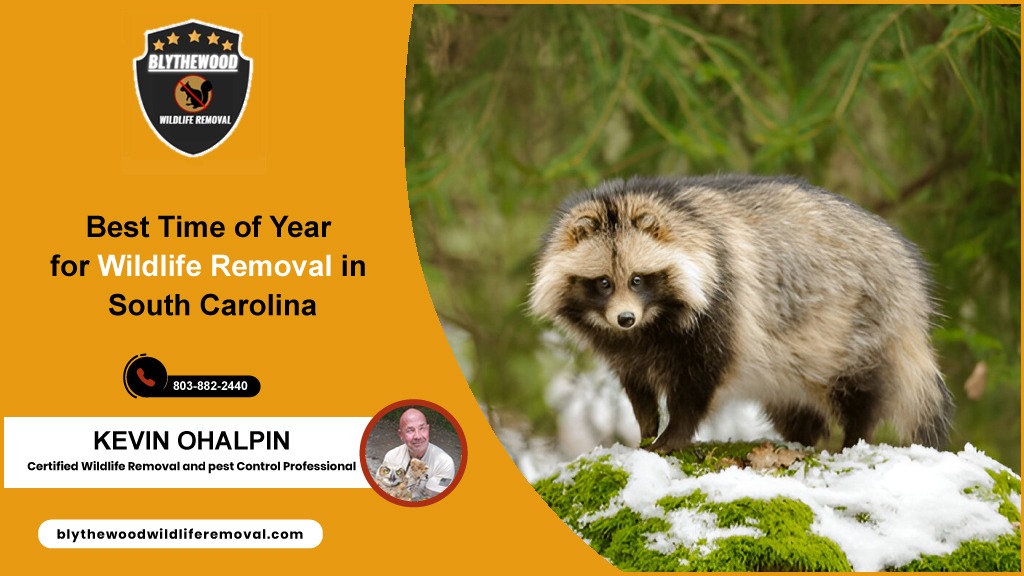
If you’ve ever heard scratching in your attic, seen droppings in the garage, or noticed strange noises in your walls, you already know how unsettling it can be to discover wildlife inside your home. Once you realize you have an unwanted guest, the next question is usually, “When should I deal with this?” The truth is, in South Carolina, the timing of wildlife removal matters more than most people think.
Different seasons bring different challenges and different animals into your living space. Knowing the best time to handle the problem can make removal safer, more effective, and even less expensive.
Why Timing Matters for Wildlife Removal
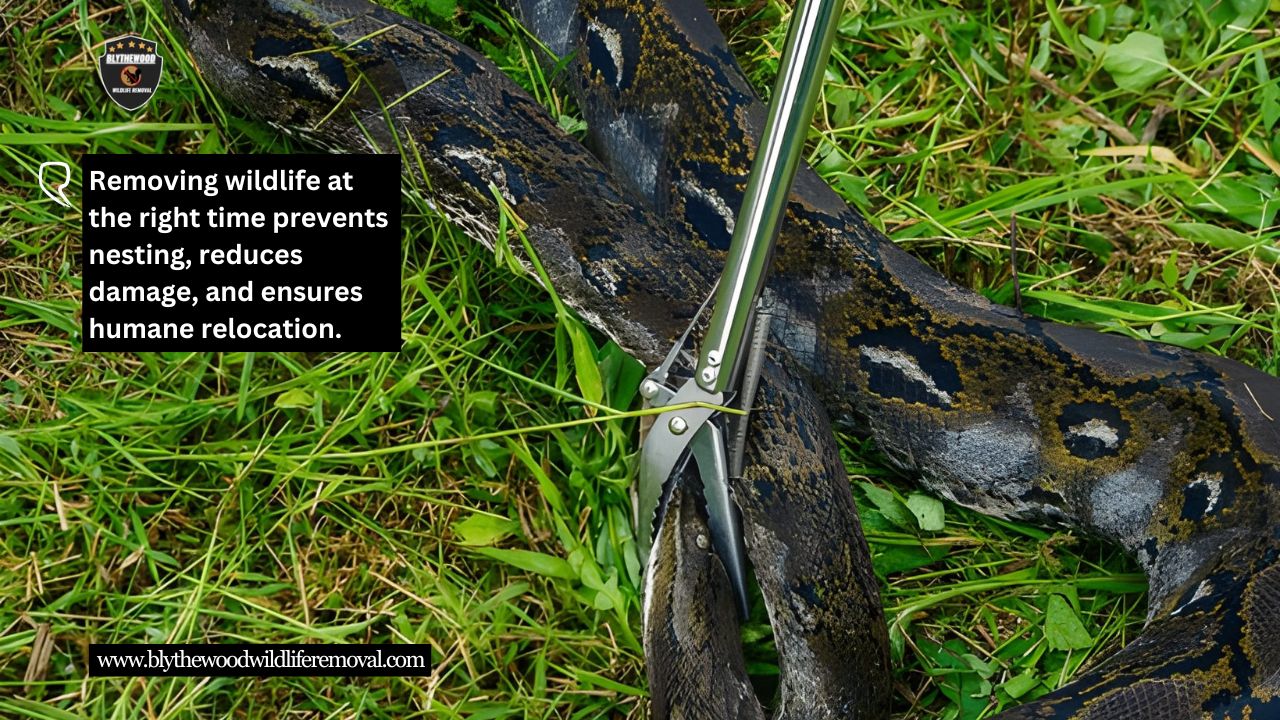
Wildlife removal isn’t just about trapping an animal and calling it a day. It’s about making sure the animal is handled humanely, the problem doesn’t repeat itself, and you stay in compliance with state laws that protect certain species.
In South Carolina, many wild animals have breeding seasons when it’s illegal, or at least strongly discouraged, to remove them in certain ways. This is especially true for species like bats and birds, where young animals may not be able to survive if removed too early. Removing wildlife at the wrong time can also mean your efforts are wasted, because seasonal behaviors, like migration or nesting, affect how animals respond to exclusion techniques.
Spring: Nesting and Breeding Season
Spring is a busy time for wildlife in South Carolina. Many animals are looking for safe, sheltered spots to give birth and raise their young. Attics, chimneys, and crawl spaces often seem perfect to them. Squirrels, raccoons, birds, and even bats may take up residence during this season.
While it might seem like a good idea to remove them immediately, spring can be tricky. For example, if you trap or block off access to a mother animal without realizing she has babies inside, you can end up with young animals trapped and dying in your home, creating odor, health hazards, and an even bigger mess to clean up.
For that reason, professional wildlife removal specialists often adjust their methods in spring. Instead of immediate exclusion, they may create a plan that allows the mother to move her young safely before sealing entry points.
Summer: Active and Persistent Pests
As the weather warms, many animals become more active and harder to deter. Squirrels and raccoons may continue nesting in your attic well into summer, and snakes can sometimes be found in basements, crawl spaces, or even living areas as they follow prey like mice.
Summer is also prime time for bat activity in South Carolina. However, bat removal during certain months, usually May through August, is restricted because it’s their maternity season. Excluding bats during this time can leave young pups trapped inside, which is both inhumane and illegal in many cases.
If you suspect bats during summer, the best approach is to schedule an inspection by calling us at 1-803-760-9166.
Fall: The Pre-Winter Rush
As temperatures start to drop, many animals begin preparing for winter. This is when squirrels stash food, raccoons look for warm dens, and rodents search for easy access to your home. Fall is one of the most strategic times to schedule wildlife removal in South Carolina, because sealing entry points before winter can prevent months of damage and disturbance.
Bat removal is often ideal in early fall, after the maternity season but before cold weather forces them into deep hibernation. This timing allows for safe, legal exclusion that won’t harm dependent young.
We often recommend full-home exclusion in the fall, which means sealing every possible entry point after confirming that no animals are inside. This proactive approach can save you from emergency calls during the winter months.
Winter: The Season for Prevention
During South Carolina’s milder winters, some animals remain active, while others go into a lighter form of hibernation. Squirrels, mice, and rats can remain active all year, making winter a common time for rodent infestations. Raccoons may also seek shelter indoors during especially cold spells.
Winter removal can be effective because fewer animals are actively breeding, which simplifies humane removal. However, icy or wet conditions can make some exclusion work more challenging, so professionals take extra care with safety measures during this season.
If you’ve had wildlife problems in the past, winter is also an excellent time to have your home inspected for vulnerabilities. By fixing those weak spots now, you can avoid the rush of spring infestations.
The Best Season Overall for Wildlife Removal in South Carolina

While wildlife removal can and should be done whenever there’s an active problem, many professionals agree that late summer into early fall is the best overall time for prevention and long-term exclusion work. This timing avoids peak breeding seasons, minimizes the risk of separating mothers from their young, and keeps animals from settling in before winter.
However, waiting for the “best season” isn’t always an option. If an animal is actively damaging your home, spreading disease, or creating a safety hazard, you need to act immediately, no matter the time of year.
Why Professional Help is Crucial
Wildlife removal is not just about getting an animal out of your home; it’s about doing it safely, legally, and in a way that ensures the problem doesn’t come back. We understand the seasonal behaviors of local species and know exactly when and how removal should be done for each animal.
DIY removal often leads to unintended consequences, like animals returning through unsealed openings, or young being left behind to die. By calling a licensed wildlife removal company, you’re protecting not only your home but also the animals themselves.
If you’re looking for experienced, humane wildlife removal in South Carolina, Blythewood Wildlife Removal offers year-round services tailored to the seasonal habits of each species. Call us for urgent help or to book an appointment for inspection.
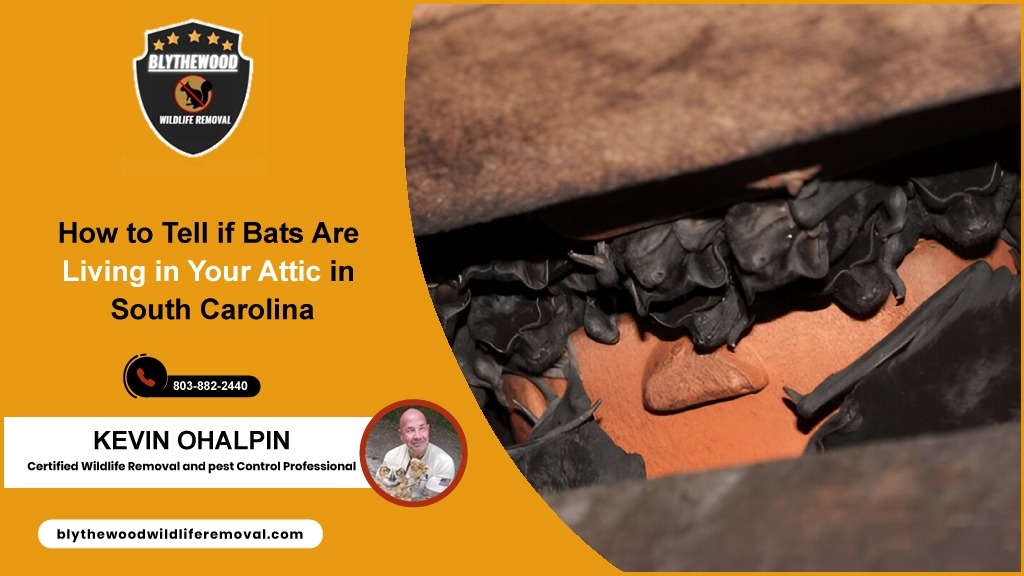
- How to Tell if Bats Are Living in Your Attic in South Carolina - December 24, 2025
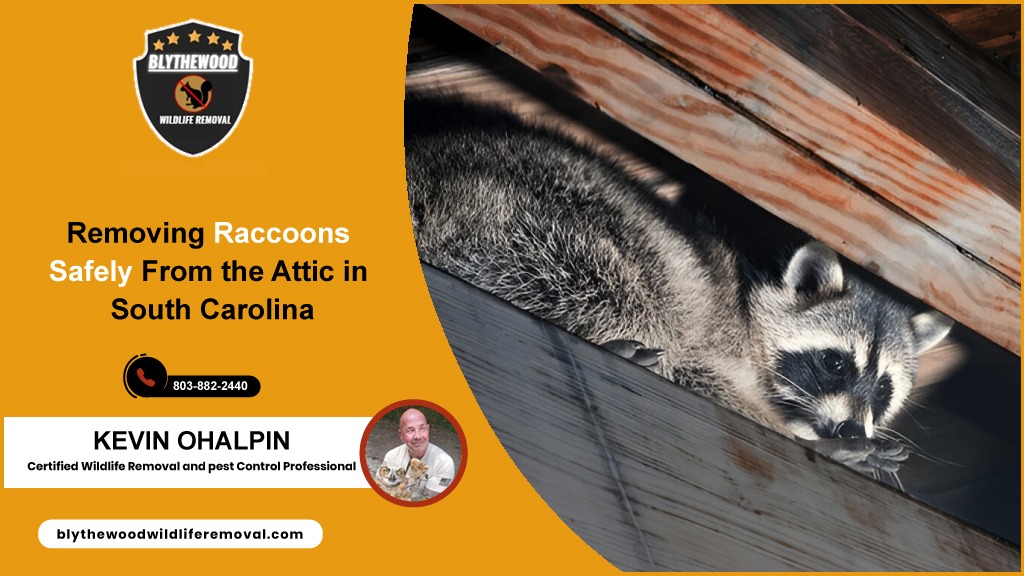
- Removing Raccoons Safely From the Attic in South Carolina - December 24, 2025
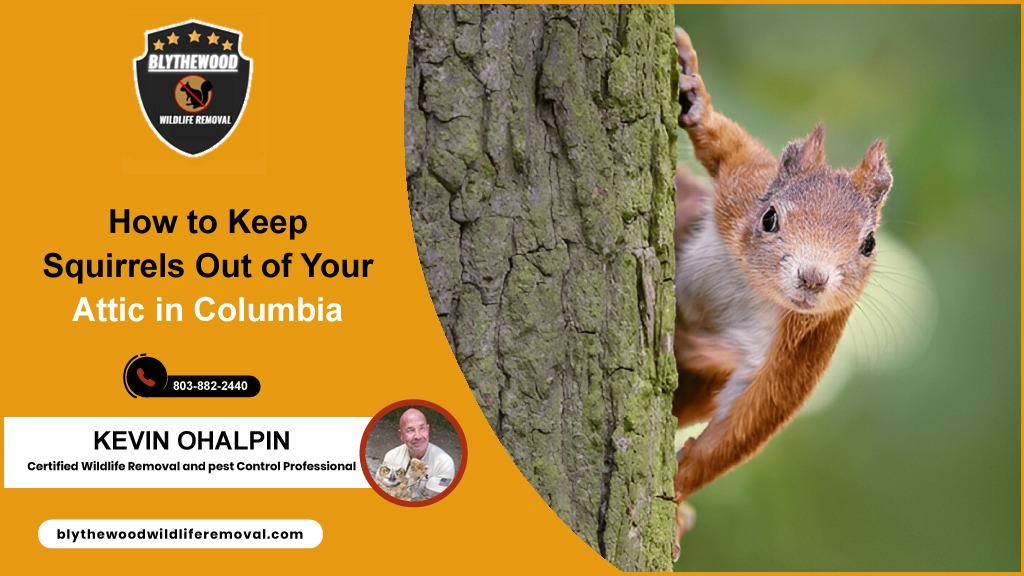
- How to Keep Squirrels Out of Your Attic in Columbia - December 24, 2025