Best Time of Year for Wildlife Removal in South Carolina
November 18, 2025
Difference Between Animal Control and Wildlife Removal: What Homeowners Need to Know
November 18, 2025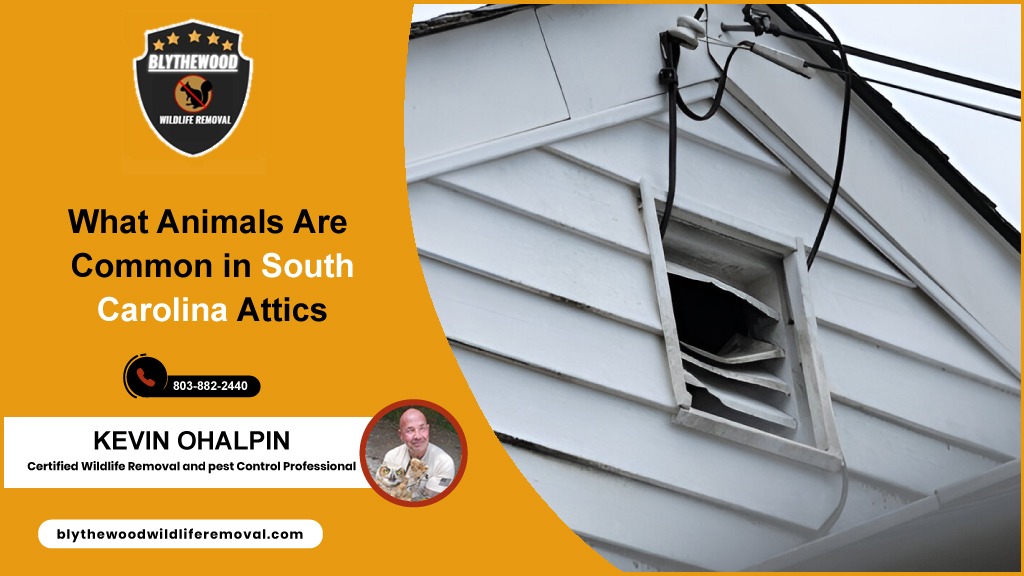
If you’ve ever been startled by the sound of scratching or scurrying above your ceiling, you’re not alone. Across South Carolina, homeowners often discover that their attics have become the perfect hiding place for wild animals. These spaces are dry, warm, and safe from predators, ideal for animals seeking shelter, especially during extreme weather or breeding seasons.
The problem is that these attic visitors can cause far more trouble than you might expect. They can damage insulation, chew wires, leave behind droppings, and even spread diseases. Understanding which animals are most likely to take up residence in your attic can help you detect and address the problem before it gets out of control.
Common Animals in Attics in SC
Squirrels
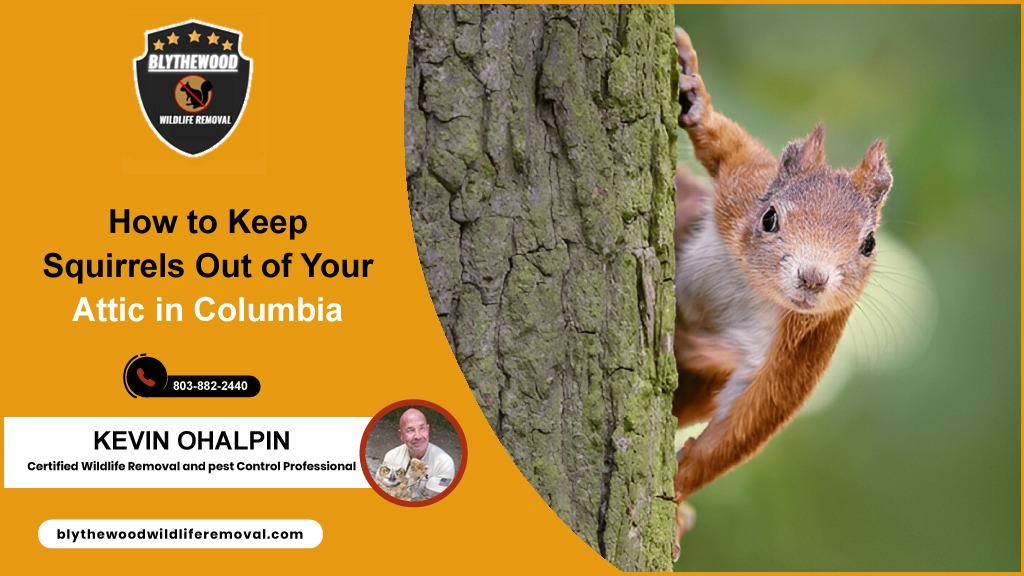
One of the most common attic invaders in South Carolina is the squirrel. These agile climbers have no trouble reaching rooftops by running along tree branches or scampering up siding. Once they find a small gap or loose soffit, they can chew their way into your attic with ease.
Squirrels are most likely to move in during late winter or early spring, when they’re looking for a warm, safe place to have their young. You may hear them during the day, especially in the early morning and late afternoon, as they come and go gathering food.
While they might seem harmless, squirrels can cause extensive damage. Their sharp teeth can chew through electrical wiring, creating a fire hazard. They also tear up insulation to make nests, and their droppings can contribute to unsanitary conditions.
Raccoons
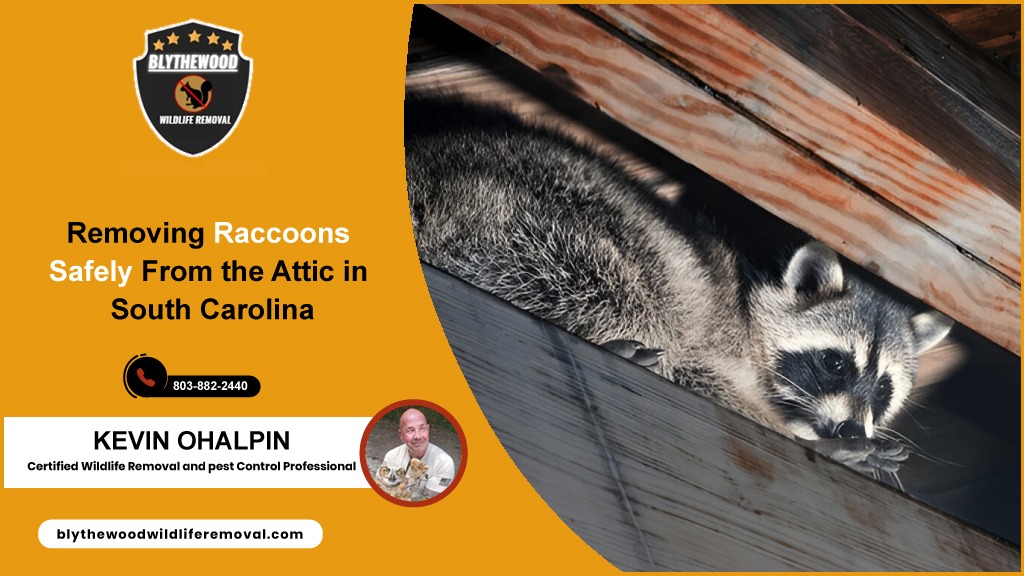
Raccoons are intelligent, strong, and surprisingly skilled at breaking into homes. They often target attics because these spaces mimic the hollow trees they would use in the wild. Female raccoons in particular look for secure spots to give birth, making spring a peak season for attic invasions.
You can often identify raccoons by their heavy footsteps and nocturnal activity. Unlike squirrels, which are active during the day, raccoons tend to make noise at night. They can cause major structural damage, tearing apart shingles, fascia boards, and vents to gain entry. Once inside, they may rip apart insulation and leave behind large amounts of waste, which can carry harmful bacteria and parasites.
Bats
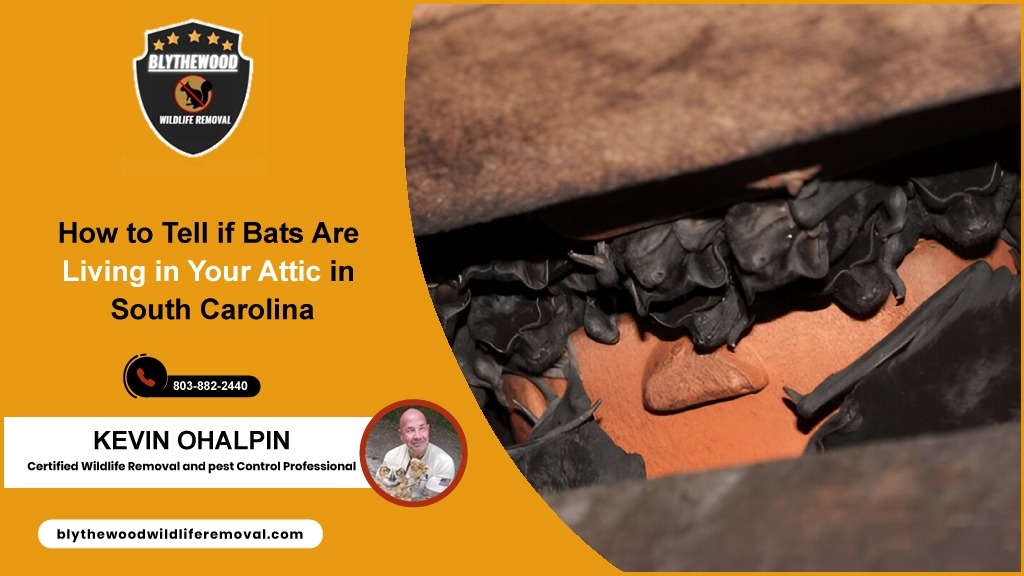
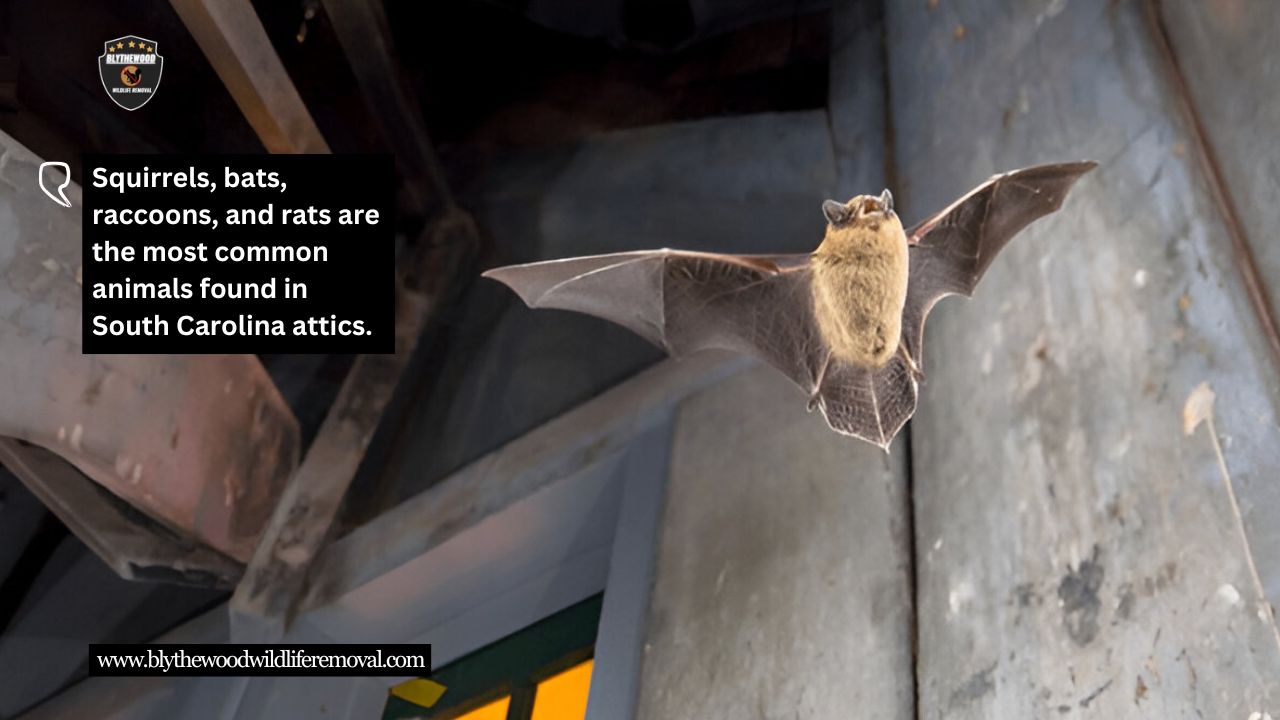
South Carolina is home to several bat species, and while they are crucial for controlling insect populations, they can become a problem if they roost inside your attic. Bats are protected by state and federal laws, which means removal must be done carefully and only at certain times of the year to avoid harming young bats.
Bats often enter through small openings, sometimes less than half an inch wide, near rooflines, vents, or chimneys. Once inside, they may gather in large colonies. While bats themselves typically don’t cause much structural damage, their droppings, called guano, can accumulate quickly and create health risks, including a fungal disease called histoplasmosis.
Mice and Rats
Rodents like mice and rats are year-round attic dwellers in South Carolina. They can squeeze through tiny gaps, making them one of the most persistent pests to deal with. Once inside, they breed rapidly, turning a small problem into a major infestation within weeks.
These animals gnaw constantly to keep their teeth from growing too long, which means they may chew through wood, insulation, and electrical wiring. Their urine and droppings can also contaminate stored belongings and insulation, creating unpleasant odors and potential health hazards.
Snakes
While snakes are less common attic residents, they do occasionally show up, usually in search of prey such as mice or rats. Most snakes in South Carolina are harmless, but their presence in an attic can be alarming. Venomous snakes in SC, though rare in attics, are a potential danger if they find their way inside
Snakes typically enter through gaps in roofing or walls, often following the scent of rodents. Removing snakes often requires addressing the underlying rodent problem first, so they’re not tempted to return.
Why These Animals Choose Attics
All of these species have one thing in common: they’re looking for safety, warmth, and a reliable food source. South Carolina’s climate, with its hot summers and mild winters, means animals are active year-round, and attics provide a consistent environment that protects them from predators and harsh weather.
In many cases, human activity unintentionally invites wildlife inside. Overhanging tree branches, unsecured vents, and gaps in siding all make entry easier. And once an animal finds a way in, they often return season after season unless the entry point is sealed.
Risks of Ignoring an Attic Infestation
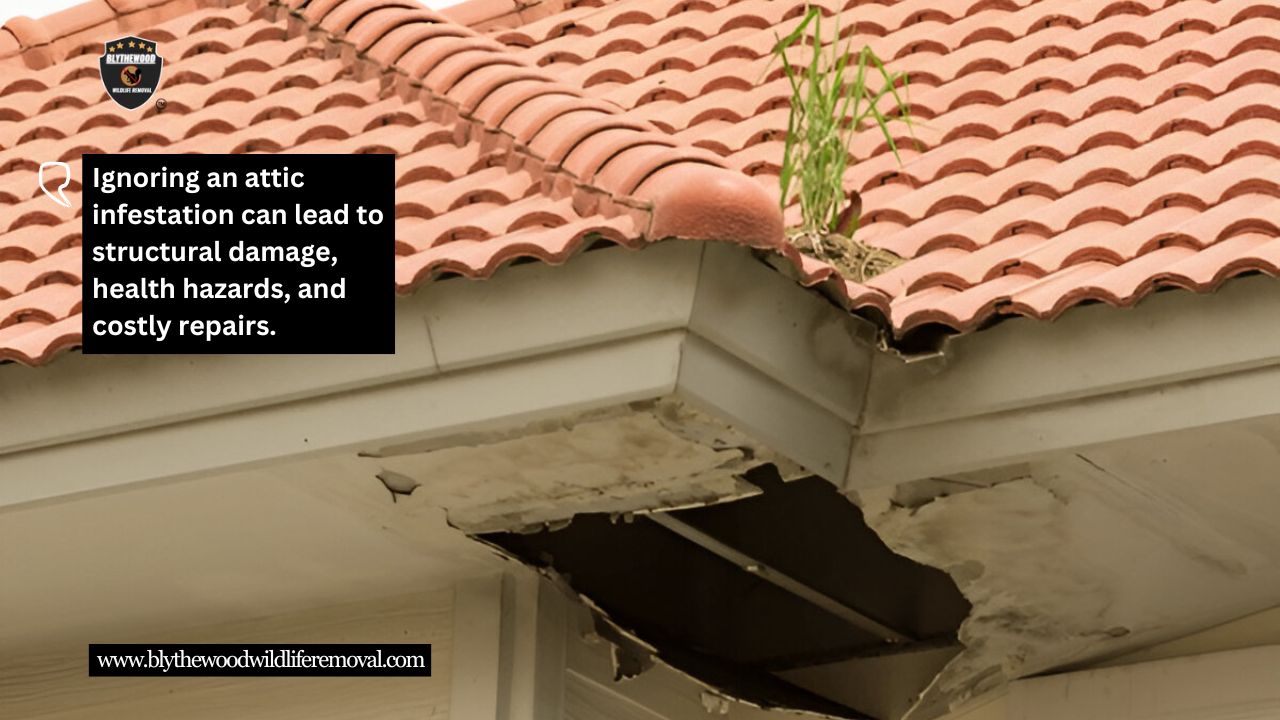
Some homeowners are tempted to ignore attic noises, thinking the problem will resolve itself. Unfortunately, wildlife rarely leaves on its own, especially if it’s found a safe nesting site. Over time, infestations can lead to costly repairs, from replacing insulation and wiring to fixing structural damage.
There’s also the risk of disease. Wildlife droppings, urine, and parasites can pose serious health hazards to people and pets. And in the case of protected species like bats, attempting DIY removal at the wrong time can lead to legal trouble.
Humane Removal and Prevention
The most effective way to deal with attic wildlife is through humane removal and long-term prevention. Professional wildlife control experts in South Carolina understand the seasonal habits of each species and know how to remove them without causing harm. They also identify and seal all possible entry points to ensure the problem doesn’t come back.
For safe, reliable, and humane wildlife removal, Blythewood Wildlife Removal offers expert services tailored to local species and regulations. From squirrel and raccoon removal to bat exclusion and rodent control, the right approach ensures your attic is clean, secure, and wildlife-free.
Your attic should be a safe, quiet part of your home, not a haven for wildlife. The sooner you take action, the easier it is to protect your property and your peace of mind. Call us at 1-803-760-9166 and let us protect your family, pets, and property.
- How to Tell if Bats Are Living in Your Attic in South Carolina - December 24, 2025
- Removing Raccoons Safely From the Attic in South Carolina - December 24, 2025
- How to Keep Squirrels Out of Your Attic in Columbia - December 24, 2025