How Much Does Wildlife Removal Cost in South Carolina?
September 17, 2025
Humane Animal Removal from Attics in South Carolina: A Complete Guide
September 17, 2025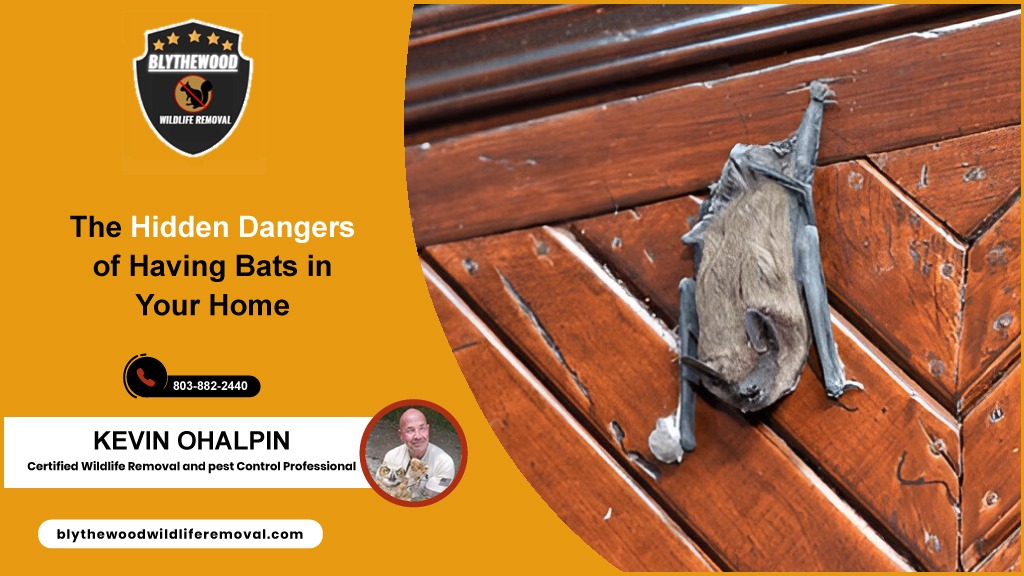
In South Carolina, bats are a protected species, which means you cannot harm or kill them. While they play an important role in controlling insect populations, they can become a serious problem when they decide to roost inside your house. The dangers aren’t just about the mess they make, although that’s bad enough; they also pose risks to your health, your property, and even your legal standing if you handle the situation incorrectly.
How Bats Get Inside South Carolina Homes?
Most homeowners don’t even realize how easily bats can slip into a house. They need only a tiny gap, sometimes as small as half an inch, to squeeze into an attic, chimney, or wall void. Older homes, especially those with loose shingles or gaps in soffits, are prime targets. Once inside, bats often return night after night, sometimes for years, if left undisturbed.
In South Carolina, common roosting spots include attics, gable vents, behind shutters, and inside barns or sheds. Because they’re nocturnal, you might never see them during the day, but their signs, stains around entry points, droppings, and faint noises start to add up.
The Health Risks You Might Not Expect

The most serious danger of having bats in your home is the risk of disease. Rabies is one of the most well-known threats. Even a tiny scratch or bite that goes unnoticed can transmit rabies, and the disease is almost always fatal once symptoms appear.
But rabies isn’t the only concern. Bat droppings, known as guano, can harbor a fungus that causes histoplasmosis, a potentially serious lung infection. The spores become airborne when the droppings dry out and crumble, meaning you don’t even need direct contact to be exposed. People with weakened immune systems, the elderly, and young children are particularly at risk.
Then there are parasites. Bats can carry mites, fleas, and bat bugs, which sometimes migrate into the living areas of a home after their hosts are removed. This makes cleanup and sanitation just as important as the removal itself.
The Damage They Can Do to Your Property
Beyond the health hazards, bats can cause significant structural damage. Over time, guano and urine accumulate in insulation, drywall, and wood beams, leaving behind a strong ammonia-like odor. This not only makes your attic unpleasant but can also lead to wood rot and corrosion of metal fixtures.
If bats roost near electrical wiring, their presence can create fire hazards. Moisture from droppings combined with damaged insulation on wires is a dangerous combination that no homeowner should ignore.
Legal Protections and Why DIY Bat Removal is a Mistake
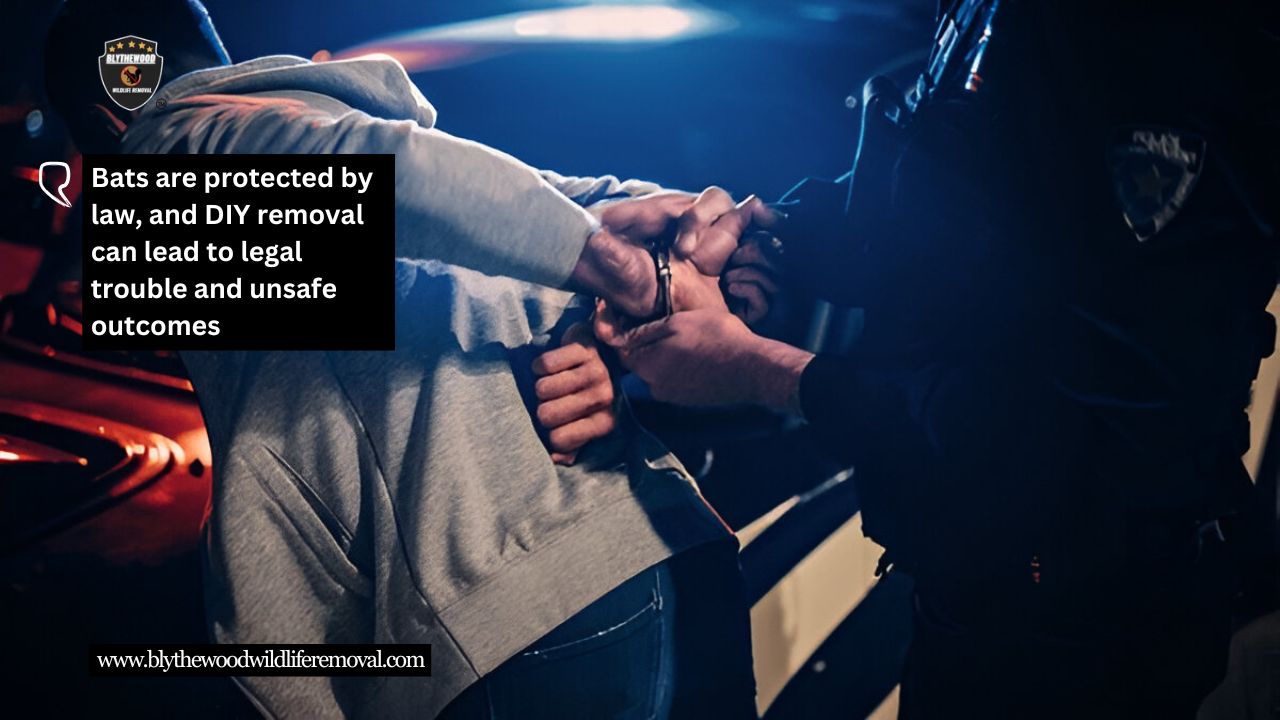
In South Carolina, bat removal is not as simple as blocking up the holes and hoping they leave. State and federal regulations protect bats, especially during maternity season, when young pups are unable to fly. Removing adult bats during this time traps the babies inside, leading to their death, and in turn, creates a severe odor and cleanup problem.
Attempting to remove bats yourself without knowing the laws can lead to hefty fines, not to mention the potential for injury or disease exposure. The safest and most responsible route is to work with professionals who specialize in humane, legal removal methods. Companies offering bat and guano removal in Columbia, SC, understand these regulations and have the tools and training to handle the job properly.
How Professionals Remove Bats Humanely
Licensed wildlife removal experts follow a careful process to ensure all bats leave safely and cannot return. The most common method involves installing one-way exclusion devices over the bats’ entry points. These devices allow the animals to exit naturally at night but block their re-entry. The process is timed to avoid maternity season, ensuring no young are left behind.
Once the bats are gone, the entry points are permanently sealed with durable materials that withstand weather and animal pressure. Professional services often include full attic cleanup, replacing contaminated insulation, and applying antimicrobial treatments to neutralize health risks.
The Importance of Cleanup and Sanitation
Many homeowners make the mistake of thinking the problem is over once the bats are gone. In reality, the cleanup stage is just as important. Bat guano, urine, and nesting materials must be removed completely to eliminate odors and health hazards. Professionals use protective equipment, HEPA-filtered vacuums, and specialized disinfectants to restore the attic to a safe condition.
Skipping this step can leave behind lingering smells that attract other wildlife, as well as health risks from airborne spores or leftover parasites. If you’ve had bats in your home, thorough decontamination is not optional; it’s a necessity.
Preventing Future Bat Infestations
Once your home has been bat-free for a while, it’s worth taking preventive measures to keep it that way. Regular roof and attic inspections can spot early signs of wildlife entry. Sealing small gaps, repairing damaged shingles, and installing chimney caps all reduce the risk of another invasion. We offer maintenance programs that include seasonal inspections and reinforcement of exclusion barriers.
Trimming back tree branches that hang over your roof can also help, as bats sometimes use them as staging areas before entering a home. While you can’t eliminate bats from your neighborhood, and you shouldn’t, since they’re beneficial for insect control, you can make sure your home doesn’t become their next roosting site.
Why Prompt Action Matters
One or two bats in the attic might not seem like a big deal at first, but the longer they stay, the more complicated the problem becomes. Bats are fascinating creatures and vital to South Carolina’s ecosystem, but they don’t belong in your home. The dangers of having bats in your attic go far beyond a little noise at night.
If you suspect bats are roosting in your home, act quickly and call a licensed professional. Blythewood Wildlife Removal provides humane, legal, and effective bat removal services throughout the Columbia area, ensuring your home is safe and your attic stays bat-free for good.
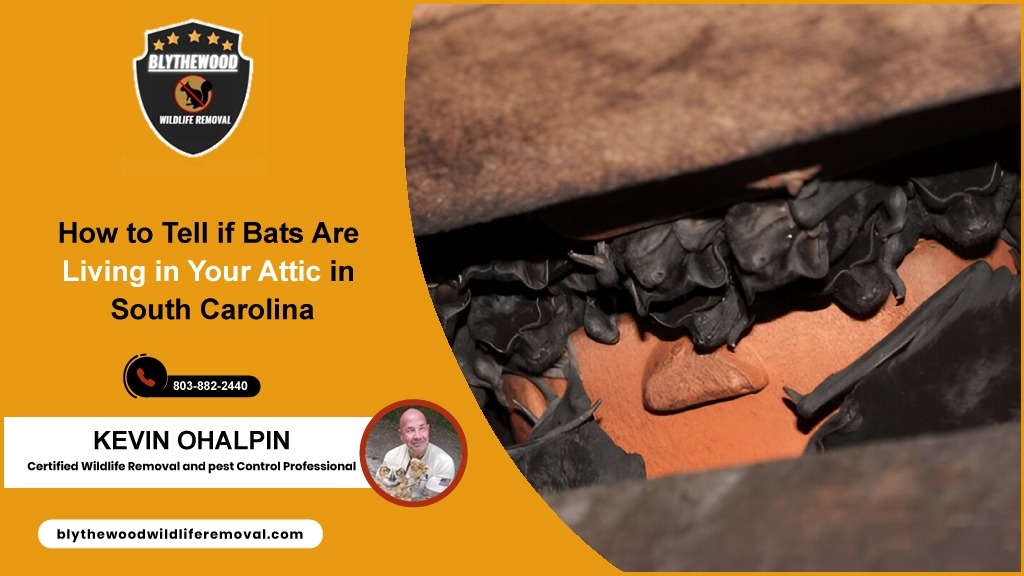
- How to Tell if Bats Are Living in Your Attic in South Carolina - December 24, 2025
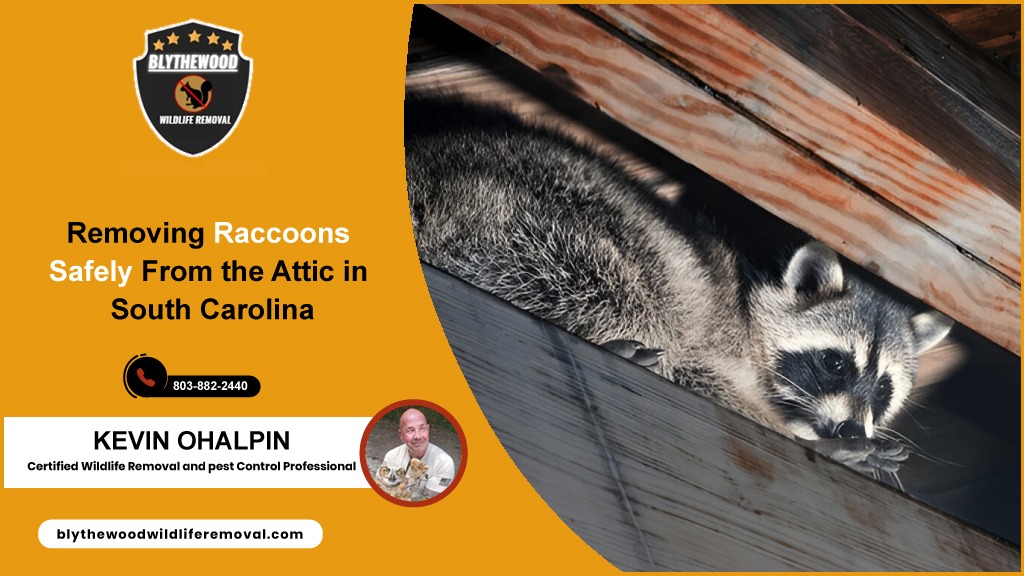
- Removing Raccoons Safely From the Attic in South Carolina - December 24, 2025
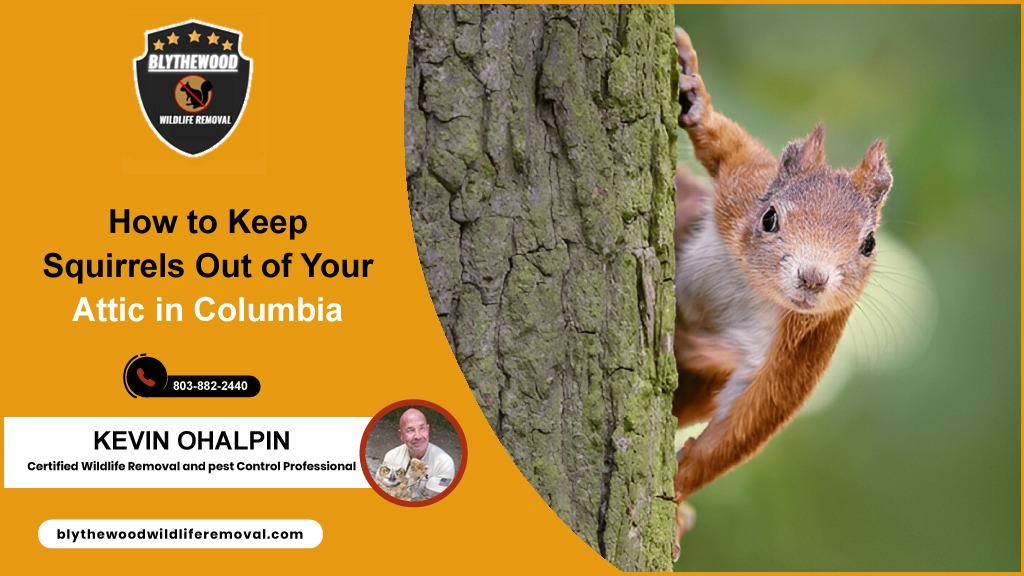
- How to Keep Squirrels Out of Your Attic in Columbia - December 24, 2025