How Do Local Companies Handle Bat, Raccoon, and Squirrel Problems Differently?
June 24, 2026
What Humane Wildlife Removal Actually Means and Why It Matters
June 24, 2026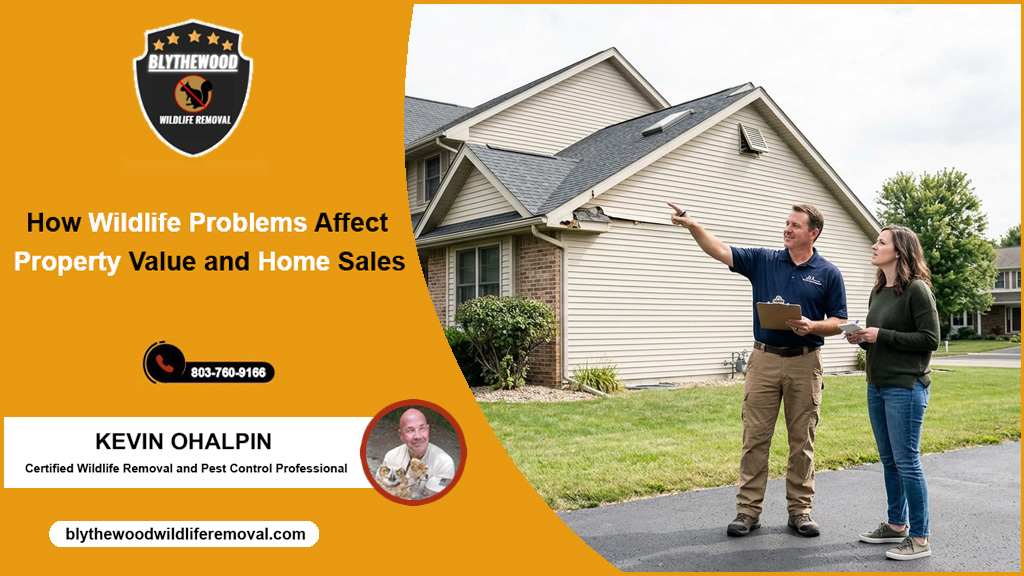
Selling a home is stressful enough without a wildlife problem getting in the way. But it happens more than people expect, especially in areas like Lexington and Columbia where wooded lots, older neighborhoods, and warm winters push animals toward residential structures year-round.
What most homeowners don’t realize is that a current or past wildlife infestation doesn’t just affect the sale price. It can delay closing, trigger failed inspections, and in some cases, kill a deal entirely. Here’s what actually happens when wildlife enters the home during a home sale.
What Buyers and Inspectors Are Looking For
A professional home inspection covers more than plumbing and electrical. Inspectors check attic spaces, crawl spaces, rooflines, and soffits. They look for droppings, nesting material, chewed wiring, torn insulation, gnaw marks on structural wood, and entry points.
Any of those findings go into the inspection report. Once they’re in the report, the buyer has documentation. They can request repairs, push for a price reduction, or walk away.
Buyers who see a wildlife finding in an inspection report also tend to mentally inflate the problem. Even if the actual damage is limited, “evidence of animal activity in the attic” sounds expensive and uncertain. That perception costs sellers money.
The Specific Damage That Hurts Most at Closing
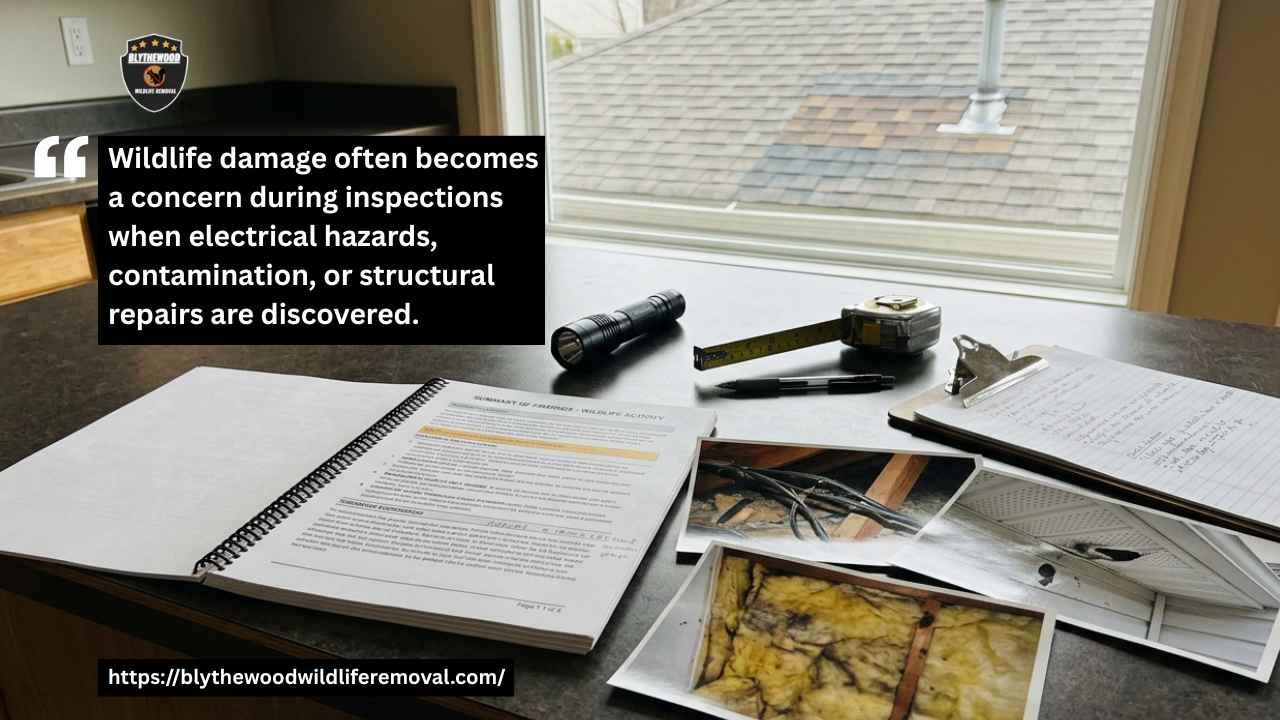
Not all wildlife damage is equal. Some issues raise bigger red flags than others for buyers and appraisers.
- Chewed wiring is the most serious. It’s a documented fire hazard and often requires an electrician’s report on top of wildlife removal. This alone can derail a sale if the buyer’s lender flags it.
- Structural wood damage from raccoons or squirrels forcing entry, or from years of moisture introduced through animal-made openings, affects the appraised value directly. Appraisers note visible structural compromise.
- Contaminated insulation from bat guano or raccoon waste requires professional removal and replacement. This isn’t a minor repair, and the costs add up fast. Our raccoon removal service always includes a full damage assessment so homeowners know exactly what needs to be addressed before listing.
- Active infestations are the worst scenario. A home with animals currently present is difficult to sell. Most buyers won’t proceed, and some lenders won’t fund a purchase on a property with an unresolved wildlife issue.
Disclosure Requirements in South Carolina
South Carolina law requires sellers to disclose known material defects. A past or present wildlife infestation that caused damage qualifies. Failing to disclose it isn’t just risky. It’s the kind of thing that ends up in post-sale disputes.
The right approach is to document everything. Get the problem professionally resolved, keep records of the inspection, removal, and any repairs, and disclose with documentation that the issue was handled. A properly remediated wildlife problem with paperwork is a manageable disclosure. A hidden one is a liability.
How It Affects the Appraisal
Appraisers use the condition of the property to determine value. Visible wildlife damage, evidence of active infestation, or deferred maintenance that allowed animals to enter affects the condition rating. A lower condition rating means a lower appraised value, which can affect the buyer’s financing.
Even odor is a factor. Homes with persistent wildlife odors from bat guano, raccoon waste, or a dead animal in the walls or crawl space are difficult to appraise favorably. Our dead animal removal guide explains how fast these odors spread and why they don’t resolve without professional intervention.
Timing: When to Handle It
The worst time to deal with a wildlife problem is after a buyer’s inspector finds it. At that point, you’re negotiating from a weak position, racing against a closing timeline, and paying for emergency service.
The right time is before you list. A pre-listing wildlife inspection identifies any active or past issues and gives you time to address them properly. Proper exclusion and cleanup completed before listing means you have documentation to show there’s nothing surprising in the buyer’s inspection, and you’re not negotiating repairs mid-contract.
If you’re planning to list in the next few months, it’s worth having someone take a look at the attic, soffits, and crawl space first. We offer complete inspections and can tell you exactly what you’re dealing with. Our wildlife removal services in Columbia are available any time.
What Remediation Actually Involves
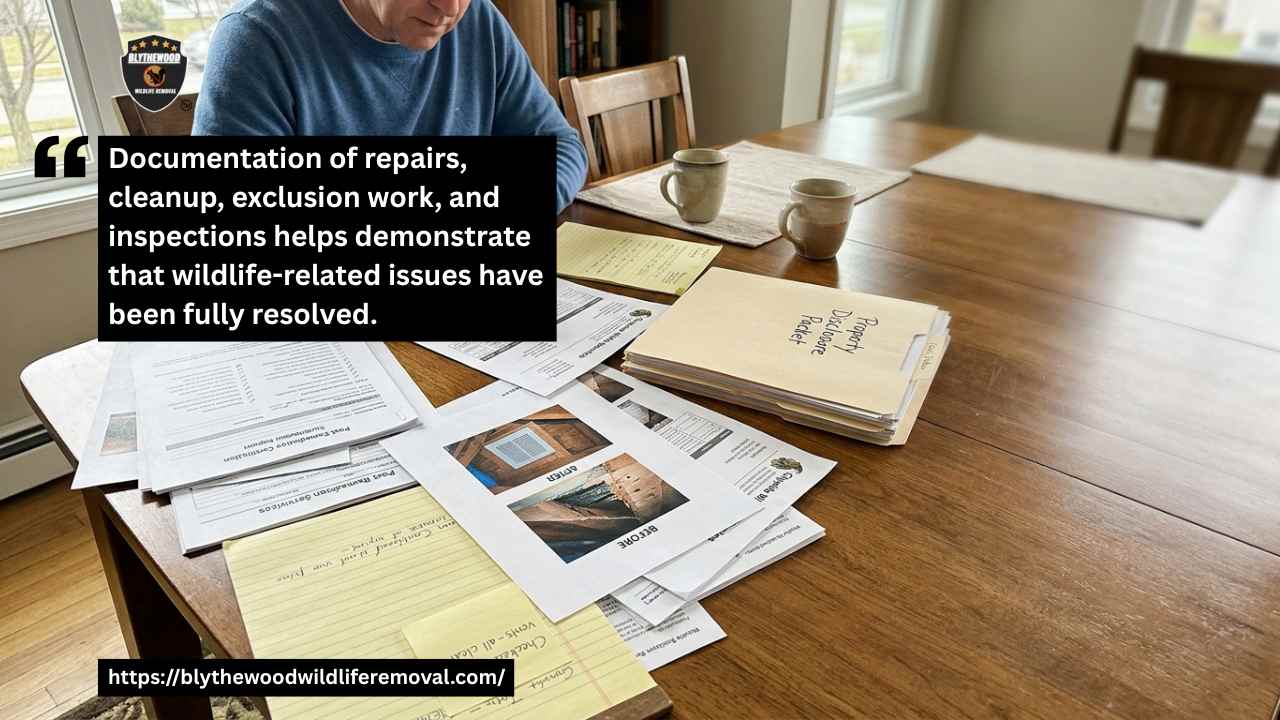
Removing the animal is step one. But for home sale purposes, that’s not enough on its own.
Buyers and their inspectors want to see that entry points are sealed, damaged insulation is replaced, contaminated areas are cleaned and decontaminated, and any structural repairs are completed.
Our wildlife removal and extraction services cover the full scope from initial removal through exclusion and cleanup so you’re not managing multiple contractors.
Proper documentation of all this work is equally important. Keep every invoice, inspection report, and before-and-after record. That paperwork is your best tool when a buyer’s agent asks questions.
Our Closing Thought
Wildlife problems don’t have to derail a home sale. Handled early and handled properly, most issues are fully resolvable and fully disclosable without significant impact on price or timeline. What does cause problems is waiting too long, doing partial fixes, or hoping an inspector won’t notice.
If you’re selling in Lexington, Columbia, or anywhere across the Midlands and you want a clear picture of your property’s wildlife exposure before it becomes a buyer’s discovery, call us first. We’ll inspect the property, tell you what we find, and get it handled the right way.
Owner: Kevin Ohalpin
Phone: 1-803-760-9166
Email: [email protected]
Address: 122 Woodcraft Dr, Lexington, SC 29073
Service Areas: Lexington, Columbia, Blythewood, West Columbia, Chapin, Irmo, Jenkinsville, Leesville, Batesburg, Northeast Columbia, and surrounding South Carolina communities
Hours: Open 24 hours, 7 days a week
Frequently Asked Questions
Does a past wildlife infestation have to be disclosed when selling a home in South Carolina?
Yes, if it caused material damage. South Carolina requires sellers to disclose known defects. Having documented proof that the problem was professionally resolved is the best way to handle this disclosure without it affecting the sale significantly.
Can a wildlife problem cause a home sale to fall through?
It can, especially if there’s an active infestation, chewed wiring, or significant structural damage. Buyers and lenders take these findings seriously. Resolving the issue before listing eliminates the risk.
How much can wildlife damage reduce a home’s value?
It depends on the extent of the damage. Chewed wiring, contaminated insulation, and structural compromise can each run into the thousands individually. Combined, they can push appraised value down considerably and give buyers leverage to negotiate price reductions.
What does a pre-listing wildlife inspection involve?
A technician inspects the attic, crawl space, roofline, soffits, and exterior of the home for signs of current or past wildlife activity. Entry points, damage, and contamination are all assessed. The inspection is free.
How long does wildlife remediation take before a home can be listed?
Most jobs are completed within a few days to two weeks, depending on the species and scope of damage. Bat exclusion takes longer due to the waiting period required after device installation. Starting the process early gives you flexibility before listing.
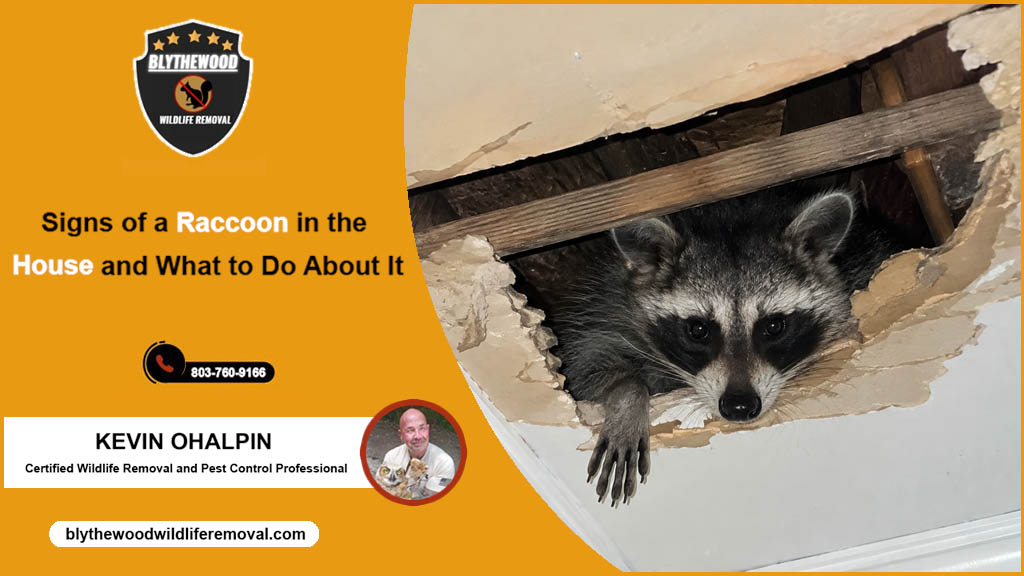
- Signs of a Raccoon in the House and What to Do About It - September 16, 2026
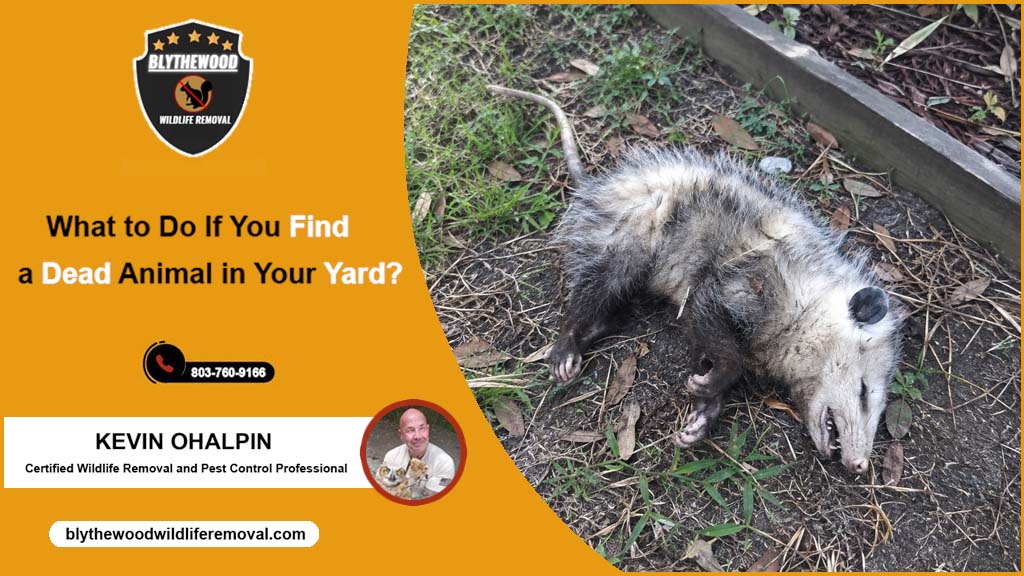
- What to Do If You Find a Dead Animal in Your Yard? - September 16, 2026
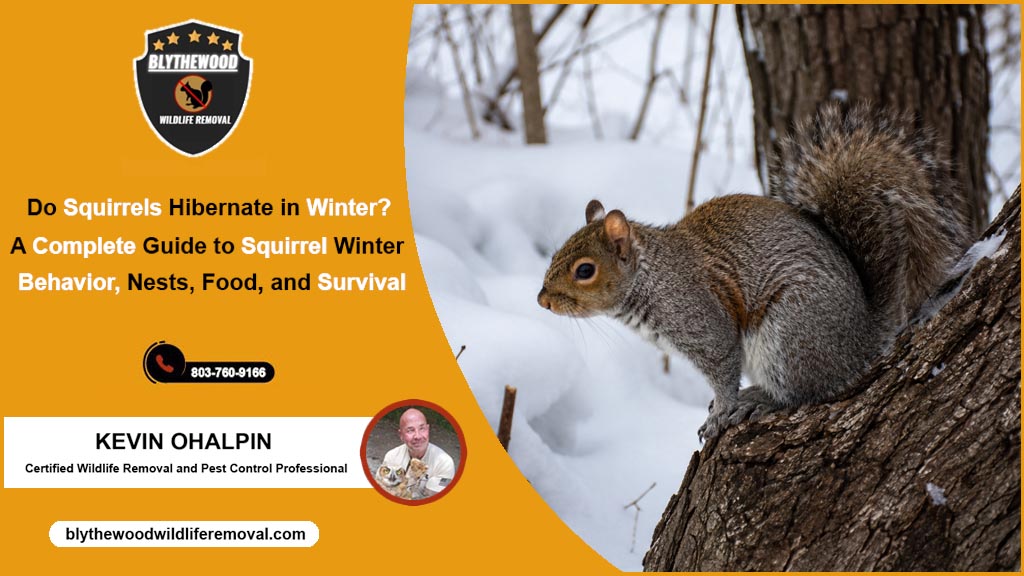
- Do Squirrels Hibernate in Winter? A Complete Guide to Squirrel Winter Behavior, Nests, Food, and Survival - September 16, 2026