Best Wildlife Removal Companies in Lexington, SC and Which One Is Right for Your Situation
June 24, 2026
How Wildlife Problems Affect Property Value and Home Sales
June 24, 2026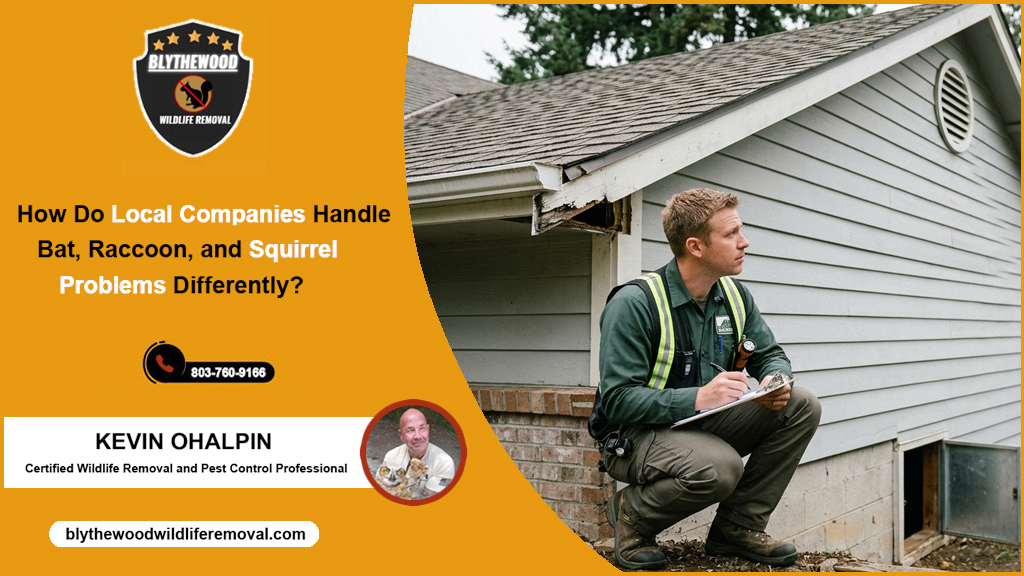
Most homeowners assume wildlife removal is pretty straightforward. Animal gets in, professional comes out, animal gets removed. Done.
It’s rarely that simple. Bats, raccoons, and squirrels are three of the most common wildlife problems in Lexington and Columbia, and each one requires a completely different approach.
The biology is different. The legal situation is different. The damage they cause is different. And the process a qualified local company follows is different for each one. Here’s what that actually looks like in practice.
Bats
Bat removal is probably the most misunderstood service in this industry. In South Carolina, bats are protected. You cannot poison them, trap them, or seal them inside a structure. The only legal method is exclusion, which means installing one-way devices that let bats exit on their own while permanently blocking re-entry.
Timing matters too. During maternity season, roughly late spring through midsummer, removal is restricted because young bats can’t fly yet. A company that skips this detail is either uninformed or cutting corners.
The other piece people don’t expect is cleanup. Bat guano accumulates fast, and it carries real health risks, including histoplasmosis, a respiratory illness caused by a fungus in the droppings. A proper bat removal job covers the inspection, the exclusion work, and the cleanup. Not just getting the bats out.
Raccoons
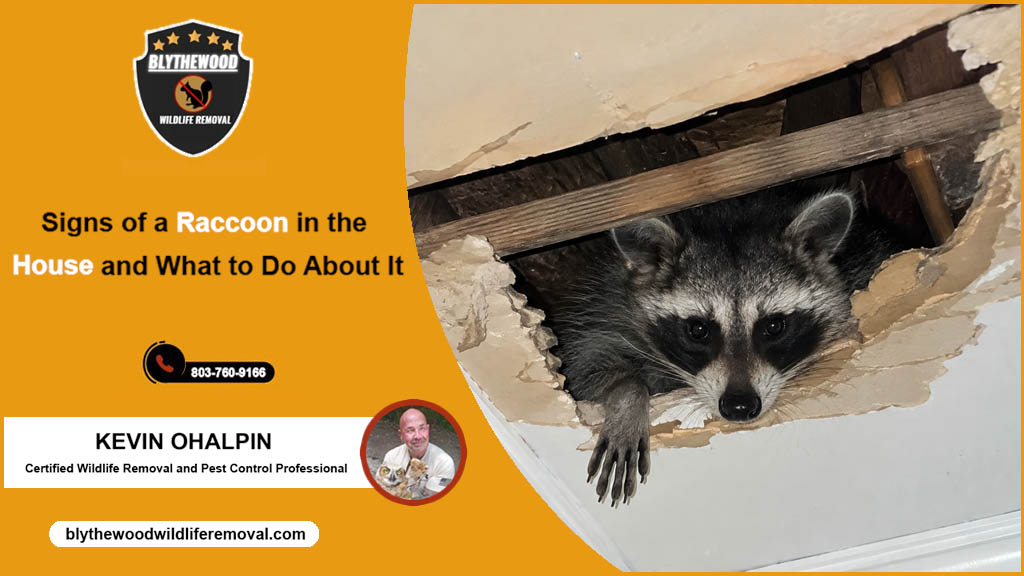
Raccoons don’t stumble into attics by accident. They find weak spots, work at them, and push through. Once inside, they can cause serious structural damage fast. Chewed wiring, torn insulation, ruined wood framing. And if a female has a litter up there, you’re dealing with a mother who is not going to leave easily.
The removal process starts with a full inspection, not just the obvious entry point. Raccoons often have secondary access routes, and missing those means the problem comes back. Trapping is the standard removal method, but placement and timing depend on the animal’s behavior at that specific property.
After trapping, every entry point gets properly sealed. Lightweight mesh or basic caulk won’t hold against a raccoon. The sealing materials have to be solid enough that the animal can’t force its way back through.
Raccoons also carry rabies and a parasitic roundworm called Baylisascaris that can affect humans and pets. Any attic that’s hosted raccoons needs cleanup after removal, not just a quick sweep. Our raccoon removal service handles the whole process, inspection through exclusion.
Squirrels
Squirrels are fast, and they chew through things constantly. Once they’re in an attic, wiring becomes a real concern.
They also get in through surprisingly small openings. The inspection for squirrel work is detailed for exactly this reason. A technician walks the full roofline looking for anything that could serve as a way in.
Removal typically uses live traps or one-way exclusion devices. The follow-up sealing uses metal flashing or hardware cloth because squirrels will chew through wood and soft materials. If the sealing material isn’t right for the species, they’re back within weeks.
Nighttime activity usually points to raccoons or rats. Getting the identification right before any removal work starts matters. Our guide on animal droppings identification can help if you’re trying to figure out what you’re dealing with first.
Our squirrel removal service covers full inspection, live trapping, and permanent entry point sealing.
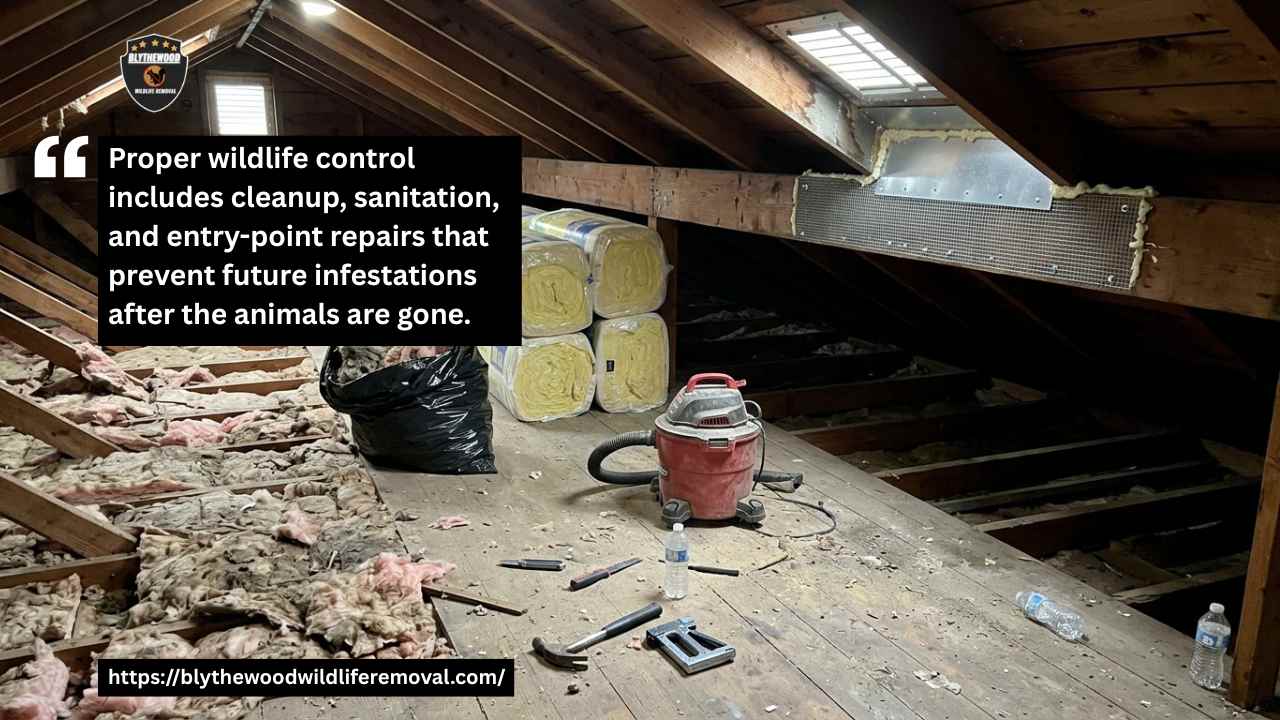
Removal is only half the job. After any wildlife problem, the entry points need proper sealing, and any contamination from waste or nesting material needs to be cleaned up. Leftover odors attract new animals to the same spots.
Companies that skip the cleanup and sealing phase are setting homeowners up for a repeat problem. If you want to understand what full attic restoration looks like, our attic cleanup guide walks through the whole process.
We Handle All Three, and We Do It Right
Bats, raccoons, and squirrels each need a different game plan. There’s no shortcut that works across all three, and experience with one doesn’t automatically translate to the other two. Over the years, we’ve handled hundreds of these jobs across Lexington, Columbia, and surrounding communities, and the ones that go smoothly are always the ones where the inspection was thorough, the method matched the animal, and the sealing was done properly at the end.
If you’re not sure what’s getting into your home or you just want someone to take a look, we offer free inspections, and we’re available any time.
About Blythewood Wildlife Removal
Business Name: Blythewood Wildlife Removal
Owner: Kevin Ohalpin
Phone: 1-803-760-9166
Email: [email protected]
Address: 122 Woodcraft Dr, Lexington, SC 29073
Service Areas: Lexington, Columbia, Blythewood, West Columbia, Chapin, Irmo, Jenkinsville, Leesville, Batesburg, Northeast Columbia, and surrounding South Carolina communities
Hours: Open 24 hours, 7 days a week
Frequently Asked Questions
Why can’t you just seal bats out immediately?
Because during maternity season, young bats can’t fly yet. Sealing the structure while they’re inside traps them and is illegal under South Carolina wildlife regulations. A licensed company will assess timing before any exclusion work begins.
How do I know if it’s squirrels or rats in my attic?
Squirrels are active during daylight hours, particularly mornings. Rats are primarily nocturnal. Sound timing is often the first clue. Dropping size and shape also differ between the two species.
What happens if raccoons got into my attic during breeding season?
If a female has a litter, the job becomes more complex. Young raccoons may be present and can’t simply be trapped and relocated without addressing the mother as well. A thorough inspection determines what you’re dealing with before any trapping begins.
Is cleanup really necessary after wildlife removal?
Yes. Waste, nesting material, and odors left behind attract new animals to the same location. In the case of bats and raccoons especially, contamination also carries genuine health risks that aren’t resolved just by removing the animals.
Does Blythewood Wildlife Removal offer free inspections?
Yes. Every job starts with a free property inspection. Call 1-803-760-9166 to schedule.
- Signs of a Raccoon in the House and What to Do About It - September 16, 2026
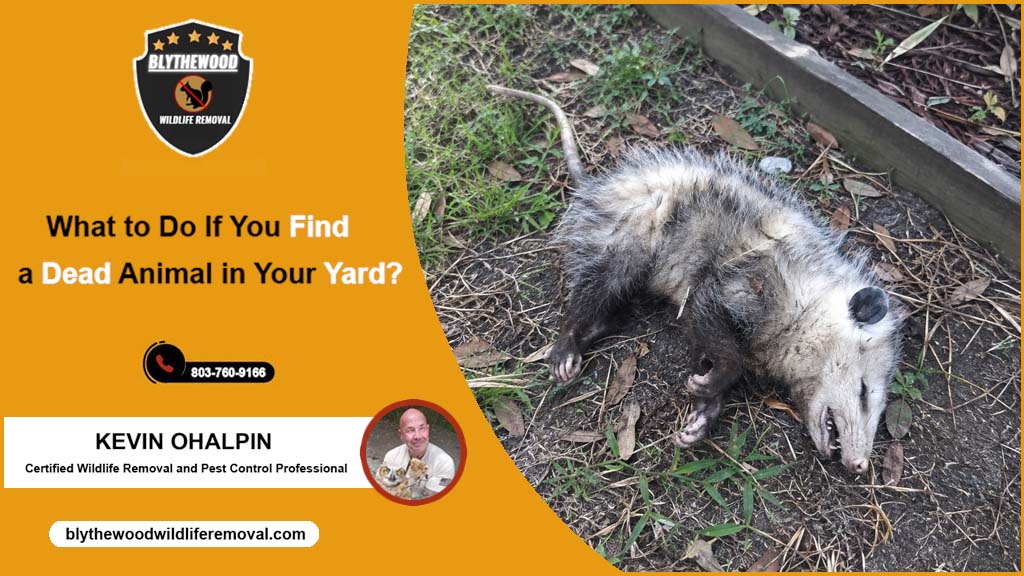
- What to Do If You Find a Dead Animal in Your Yard? - September 16, 2026
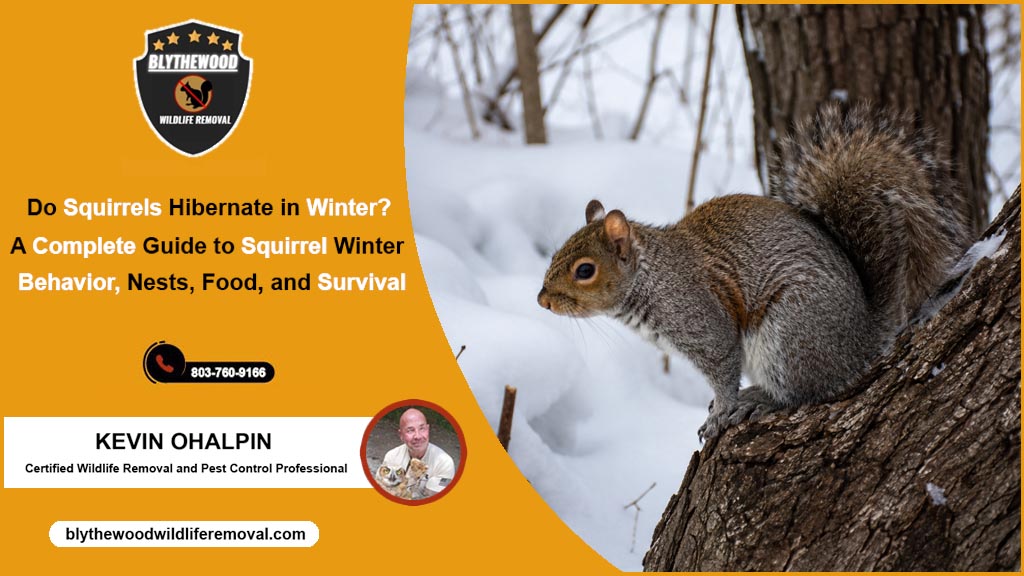
- Do Squirrels Hibernate in Winter? A Complete Guide to Squirrel Winter Behavior, Nests, Food, and Survival - September 16, 2026