
Why Professional Wildlife Removal is Better Than DIY
April 13, 2026
Dead Animal Removal in Columbia, SC: How to Find and Eliminate Odors Fast
April 17, 2026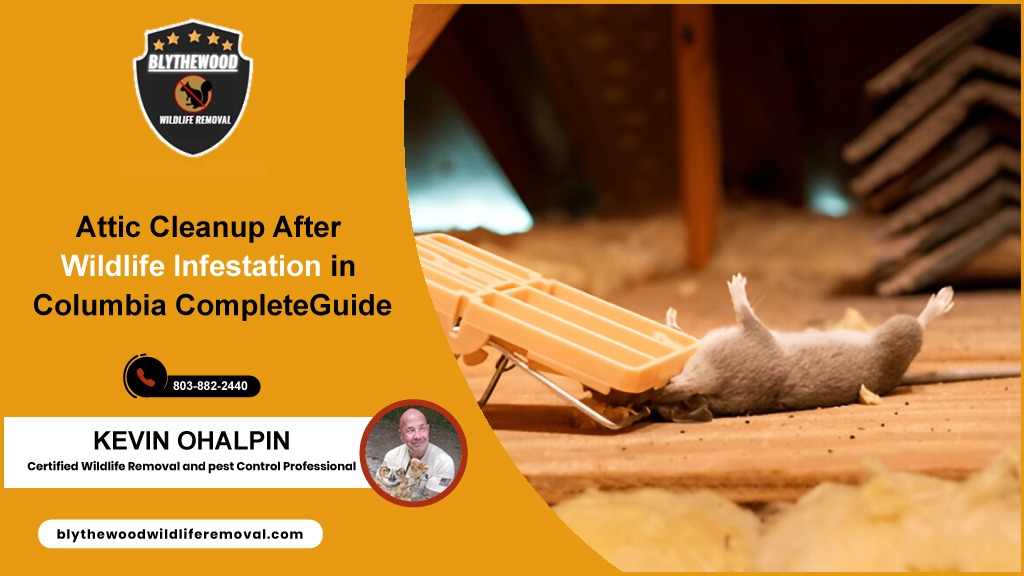
Discovering a wildlife infestation in your attic can be one of the most stressful experiences for a homeowner in Columbia, SC. Animals such as raccoons, squirrels, bats, and birds are more than just a nuisance; they can leave behind significant messes, structural damage, and serious health hazards. While removing the animals is the first step, the job isn’t finished until the attic is properly cleaned, sanitized, and restored. Without thorough cleanup, lingering contamination and odors can attract new pests and put your family at risk.
Why Attic Cleanup Matters After Wildlife Removal
When animals live in your attic, they create more than just noise. They leave behind urine, feces, nesting materials, food remains, and even parasites. Over time, these contaminants can seep into insulation, wood, and drywall, creating an unhealthy environment. Wildlife droppings often contain dangerous pathogens like histoplasmosis, leptospirosis, and Salmonella, which can become airborne when disturbed. The longer the waste sits, the greater the health risk.
In addition, the smell left behind by wildlife can linger for months or even years if not properly addressed. Strong odors can spread throughout the home and may attract other animals to the same spot. A professional attic cleanup not only removes visible mess but also treats and sanitizes the space to eliminate bacteria, viruses, and odors at the source.
Common Types of Damage Found in Attics
After a wildlife infestation, attics in Columbia homes often show multiple forms of damage. Animals chew through wires, creating potential fire hazards. They shred insulation for nesting material, reducing your home’s energy efficiency. Wood beams may be gnawed or scratched, and entry holes in the roof or soffits remain vulnerable to new intrusions. Even HVAC systems can be affected if animals nest near ducts, spreading contamination through the ventilation system.
These damages go beyond cosmetic issues; they affect the safety and functionality of your home. That’s why attic cleanup often involves more than just removing waste. It requires a full inspection to identify structural damage, electrical hazards, and points of entry.
The Process of Professional Attic Cleanup

At Blythewood Wildlife Removal, we provide complete attic cleanup and restoration services in Columbia, SC, ensuring your home is safe, clean, and protected after wildlife removal. Our process begins with a detailed inspection to determine the extent of contamination and damage. We then safely remove all waste, debris, and nesting materials, following strict safety protocols to prevent the spread of airborne particles.
Once the space is cleared, we use professional-grade cleaning agents and disinfectants to sanitize affected areas. This eliminates harmful bacteria and viruses that can linger long after the animals are gone. For odor control, we use specialized deodorizers that neutralize smells rather than simply masking them.
If the insulation has been damaged or contaminated, we recommend removing and replacing it. Fresh insulation restores your attic’s energy efficiency while ensuring no residual contamination remains. We also seal all potential entry points to prevent future wildlife problems, integrating our wildlife exclusion services as part of the restoration process.
Why You Should Avoid DIY Attic Cleanup
Some homeowners may attempt to clean their attic after a wildlife problem themselves, but this can be risky and ineffective. Wildlife droppings can carry diseases that require specialized safety gear and proper disposal methods. Without the right tools, airborne contaminants can spread to other parts of the home, increasing health risks. Additionally, a DIY cleanup often overlooks hidden damage, leaving your home vulnerable to future infestations.
By hiring a professional wildlife removal and attic restoration company like ours, you ensure that the job is done thoroughly, safely, and in compliance with health and safety guidelines. We have the expertise, protective equipment, and cleaning products necessary to restore your attic without putting your family at risk.
Preventing Future Infestations
Once your attic is cleaned, the next priority is prevention. Wildlife often return to familiar nesting spots, especially if odor traces remain or entry points are left open. As part of our attic restoration service in Columbia, SC, we perform a complete sealing of gaps, cracks, and openings in the roofline, vents, and soffits. We also inspect your property for signs of wildlife activity and recommend any necessary repairs to keep your home secure.
For homeowners who want long-term protection, we offer wildlife exclusion and monitoring services. This proactive approach ensures that your attic remains animal-free year-round.
The Importance of Acting Quickly
Delaying attic cleanup after a wildlife infestation can lead to worsening damage and higher repair costs. Urine and droppings can saturate insulation and wood, making them harder to clean and increasing the chance of structural damage. Odors can become more deeply embedded, and bacteria or mold can spread. The sooner the cleanup process begins, the easier it is to restore your attic to a safe and healthy condition.
Choose the Experts in Columbia, SC
At Blythewood Wildlife Removal, we don’t just remove animals; we restore your home to its pre-infestation condition. From initial inspection to thorough cleanup, sanitation, and repairs, we handle every step of the process with care and professionalism. Our team understands the unique challenges of wildlife problems in Columbia, SC, and we are committed to providing fast, effective, and humane solutions.
If you’ve had wildlife in your attic, don’t stop at removal. Call us today at 1-803-760-9166 for complete attic cleanup and restoration services that protect your home, health, and peace of mind.
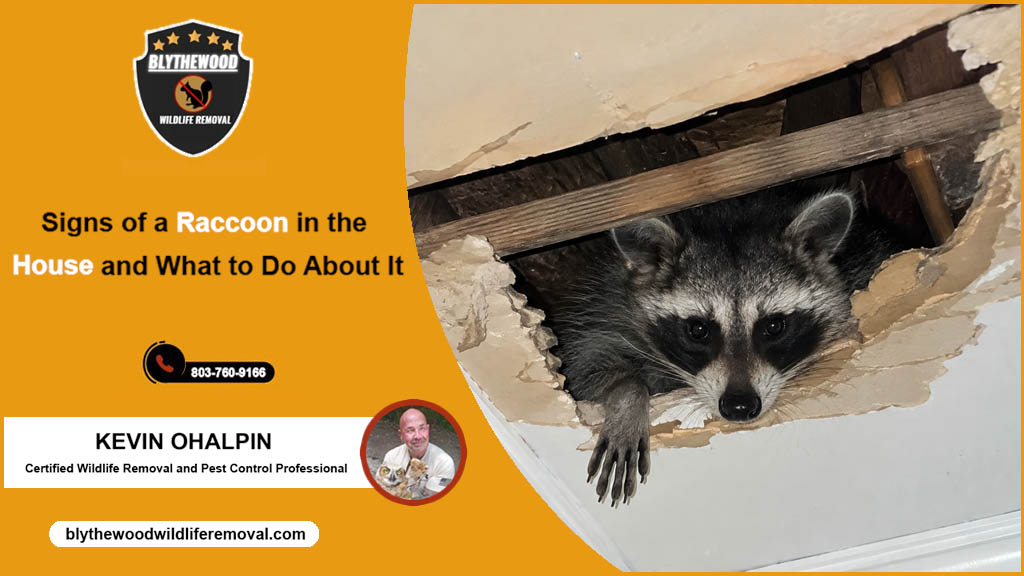
- Signs of a Raccoon in the House and What to Do About It - September 16, 2026
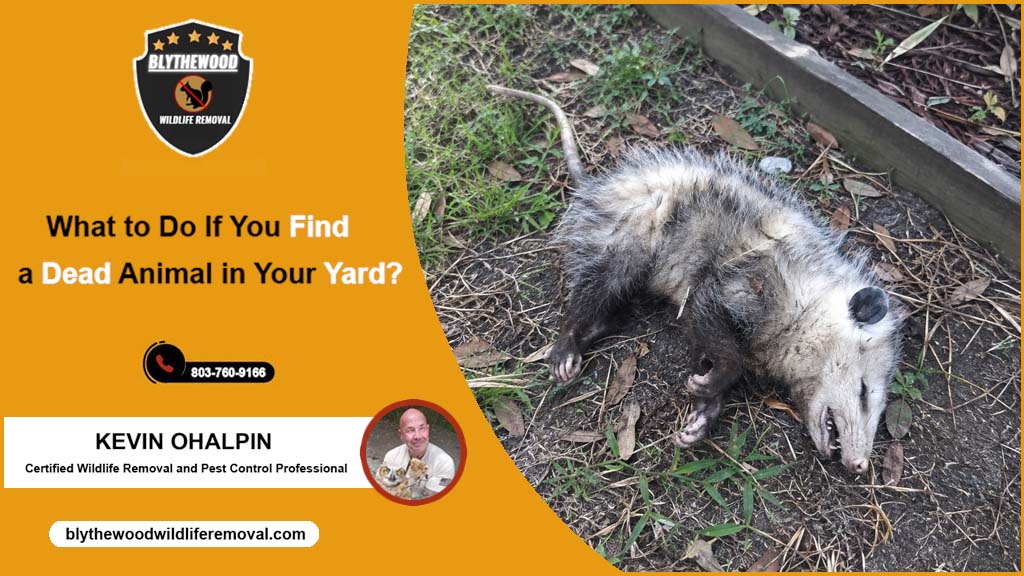
- What to Do If You Find a Dead Animal in Your Yard? - September 16, 2026
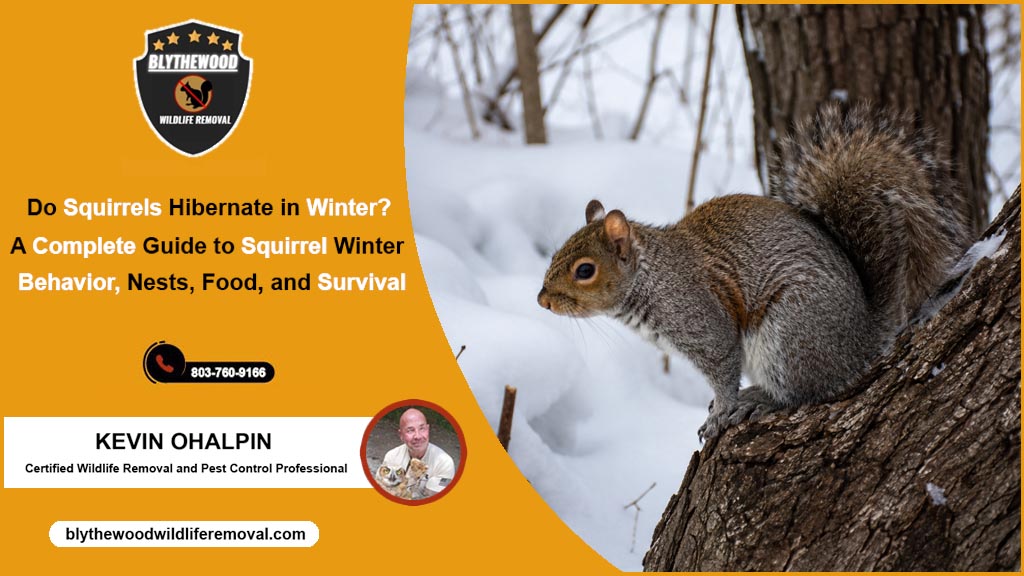
- Do Squirrels Hibernate in Winter? A Complete Guide to Squirrel Winter Behavior, Nests, Food, and Survival - September 16, 2026