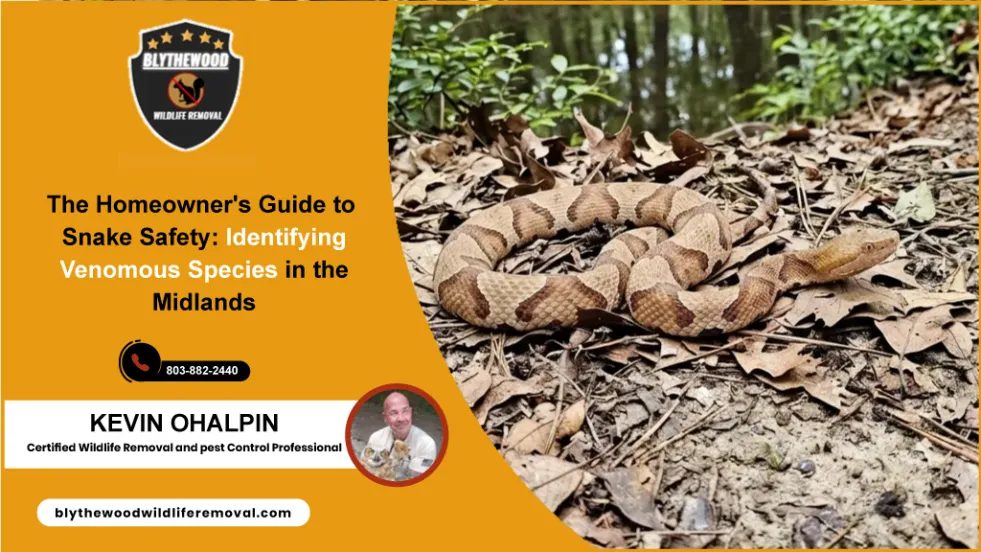
The Homeowner’s Guide to Snake Safety: Identifying Venomous Species in the Columbia Midlands
April 17, 2026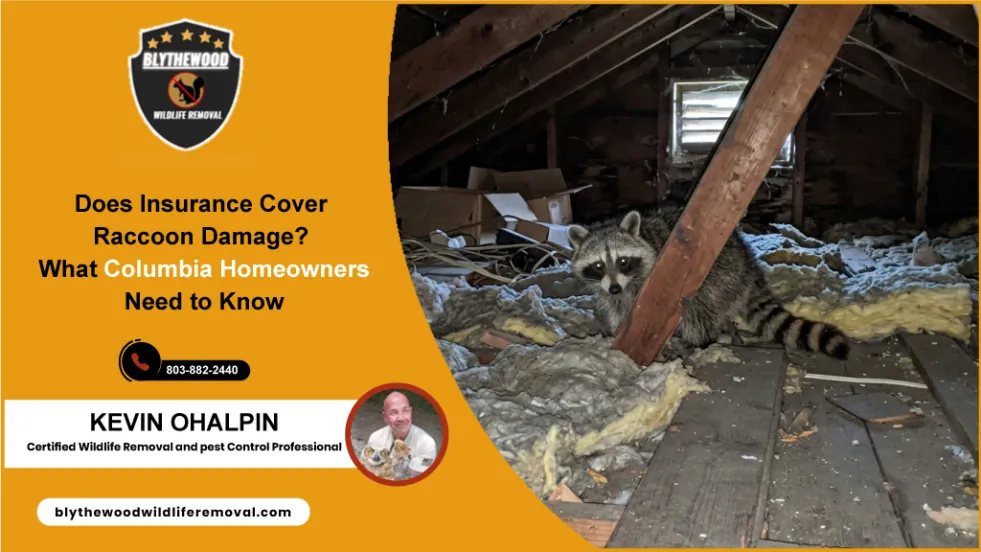
Does Insurance Cover Raccoon Damage? What Columbia Homeowners Need to Know
April 17, 2026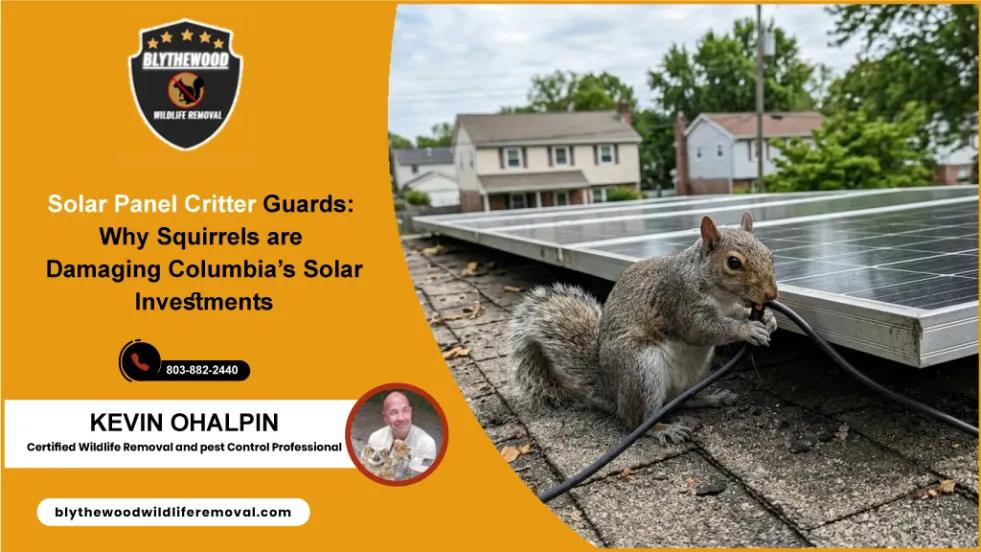
Solar panels are showing up on more rooftops around Columbia every year. Drive through neighborhoods in Blythewood, Forest Acres, or Lexington, and you’ll see them almost everywhere now. For many homeowners, installing solar panels is a long-term investment.
But there’s a side of solar ownership that people rarely think about until something goes wrong.
Wildlife. More specifically, squirrels.
At Blythewood Wildlife Removal, solar panel squirrel removal has become one of the most common service calls during spring and fall. And once squirrels move in beneath a panel system, they can cause problems surprisingly fast.
Why Solar Panels Attract Squirrels in Columbia
To understand the problem, it helps to look at it from the squirrel’s point of view. Solar panels sit a few inches above the roof surface. That small gap creates a protected space that stays shaded most of the day. It’s hidden from predators and shielded from rain. For a squirrel looking for a nesting spot, that’s basically perfect real estate.
Columbia also happens to have a strong squirrel population. Mature trees, suburban neighborhoods, and mild winters make the area ideal for them. When those conditions combine with easy roof access, solar panels become attractive nesting spots.
Many homeowners never notice the activity until a nest is already built under the panels.
The Type of Damage Squirrels Can Cause
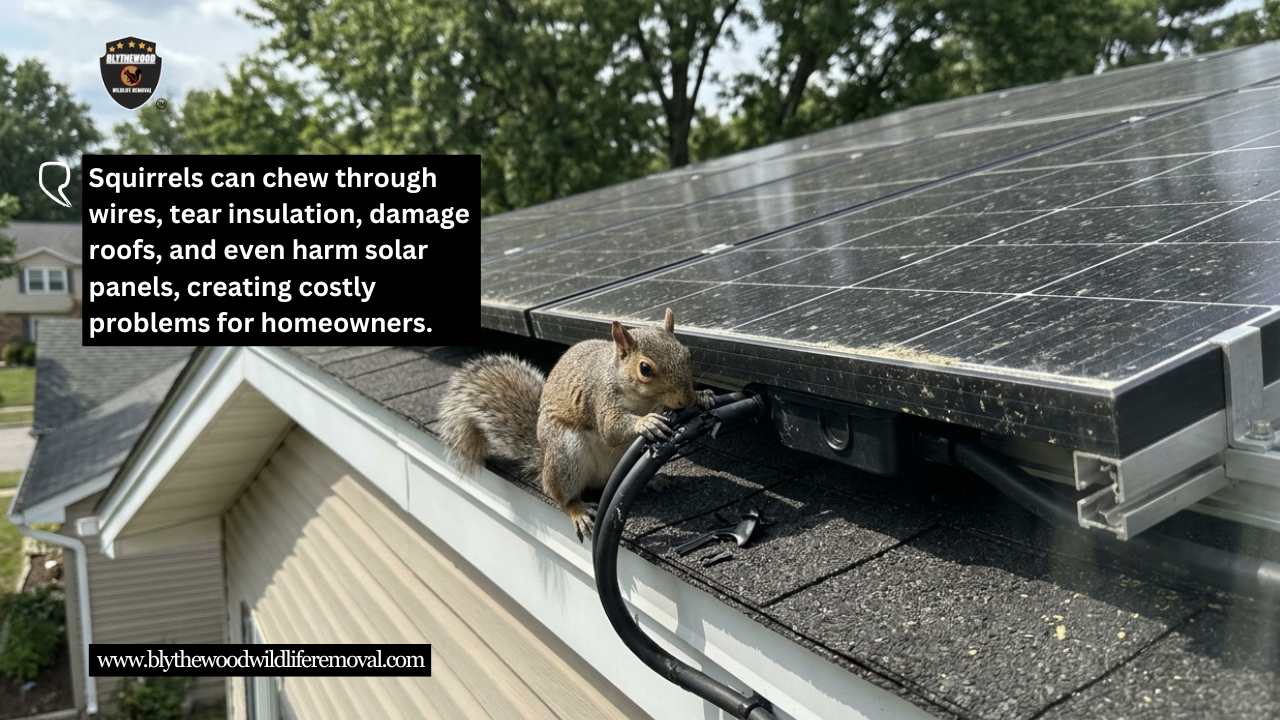
People often assume the panels themselves are the main concern. In reality, the bigger problem is the wiring and the space underneath the system.
Squirrels chew constantly. Their teeth never stop growing, so they instinctively gnaw on materials around them. Electrical wiring running beneath solar panels becomes an easy target.
Once that protective wire coating is damaged, several things can happen. Solar energy production may drop. Electrical faults can appear. In rare cases, exposed wiring can even create a fire hazard.
We’ve also seen situations where nesting material collects beneath the panels and traps moisture against the roof surface. Over time, that can affect both the roof and the mounting hardware.
The frustrating part is that homeowners usually don’t discover the issue until the system’s performance drops or roof noises become obvious.
What Solar Panel Critter Guards Actually Do
Solar panel critter guards are designed to solve this problem before wildlife ever moves in.
The guards are typically made from coated metal mesh that attaches around the edges of the solar panel system. Once installed, the barrier blocks animals from accessing the space beneath the panels while still allowing airflow and drainage.
That airflow is important because solar panels need ventilation to stay efficient. A properly installed critter guard protects the system without interfering with performance.
Across Columbia and the Midlands, more solar installers are recommending wildlife guards during installation for this exact reason.
Unfortunately, many systems were installed years ago, before wildlife protection was commonly discussed.
Signs Something May Be Living Under Your Panels
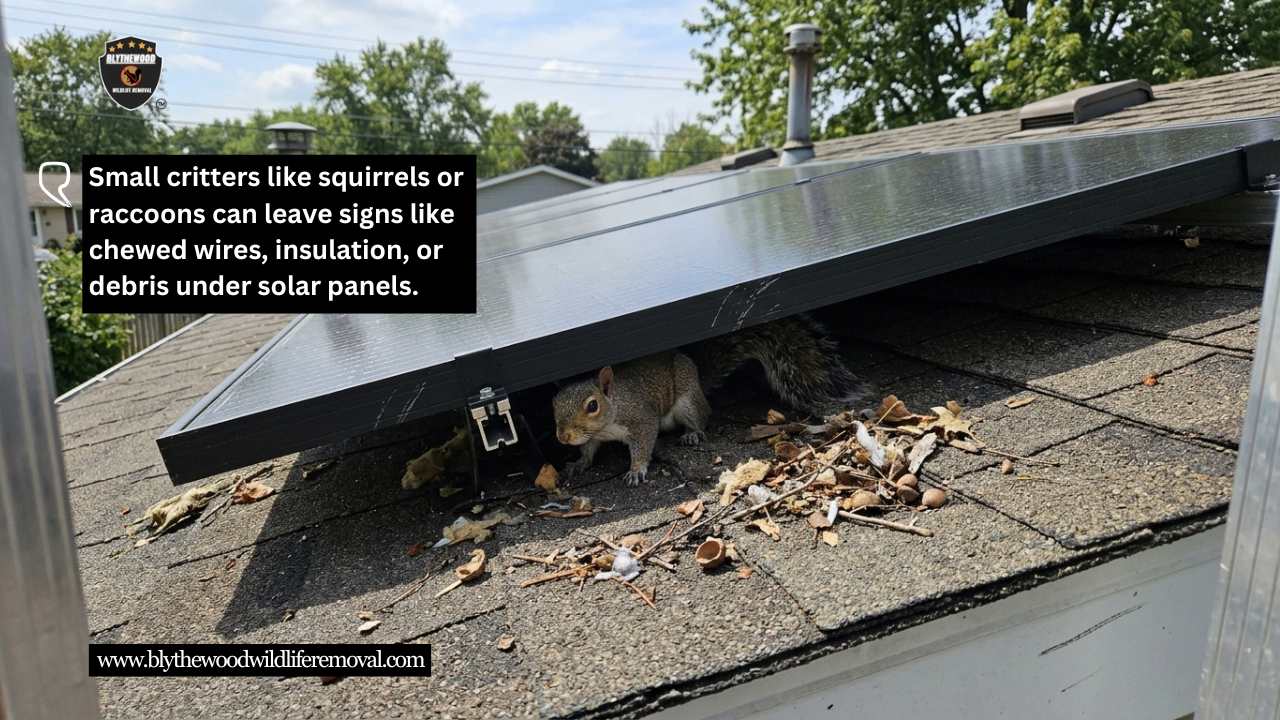
Homeowners usually notice subtle changes first. Scratching sounds from the roof early in the morning are one of the most common clues. Squirrels are active shortly after sunrise, and their movement can echo through attic spaces.
Another sign is repeated squirrel activity across the roof. If the same animal keeps disappearing near the solar array, it may already have an entry point underneath the panels.
Occasionally, homeowners find small pieces of nesting debris falling near gutters or along the edge of the roof.
When these signs appear, it’s usually worth having the area inspected before the situation grows.
Why Local Experience Matters for Wildlife Problems
Humane squirrel removal is one of those services where local experience really matters.
Squirrel behavior in South Carolina is different from that in colder parts of the country. Nesting patterns, breeding seasons, and activity levels vary depending on the climate and surrounding environment.
Technicians who work regularly in Columbia, Blythewood, and Lexington understand how these animals move through neighborhoods and how they access rooftops.
That kind of regional knowledge helps identify entry points faster and prevents repeat issues.
Working with a licensed wildlife removal company in Columbia, SC, also ensures that removal methods follow state wildlife regulations and safety standards.
Solar Panel Wildlife Problems in Columbia?
If you’re hearing activity near your solar panels or noticing squirrels repeatedly on the roof, it may be worth scheduling a free squirrel removal inspection.
Blythewood Wildlife Removal provides free wildlife inspections, same-day humane squirrel removal, and solar panel critter guard installation throughout Columbia and the surrounding Midlands communities. Our team focuses on humane squirrel removal methods and long-term prevention, so the issue doesn’t return.
Protecting your home is one thing. Protecting your solar investment is another.
Fortunately, both problems usually have the same solution.
Contact Blythewood Wildlife Removal
Location: 1314 Lincoln St, Columbia, SC 29201
Phone: 803-760-9166
Email: [email protected]
FAQs
Do squirrels really damage solar panels?
Yes. They typically chew the wiring underneath the panels rather than the panels themselves. This can affect energy production and require electrical repairs.
What are solar panel critter guards?
They are protective metal mesh barriers installed around the edge of solar panels to block animals from entering the space underneath.
Are squirrel infestations common around solar panels in Columbia?
They are becoming more common as solar installations increase across the Midlands.
Should critter guards be installed during solar panel installation?
Ideally, yes. Installing them early prevents animals from discovering the sheltered space beneath the panels.
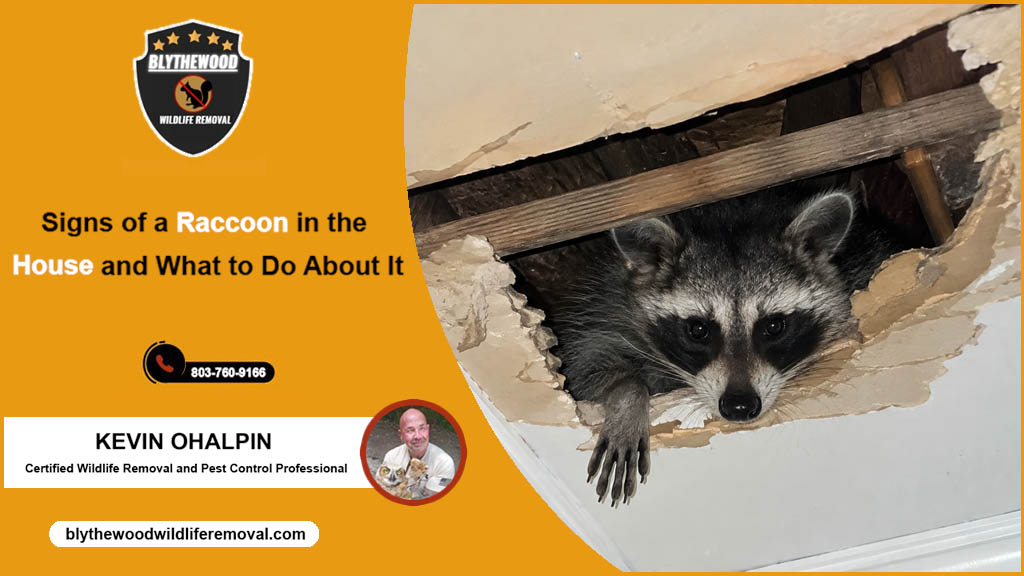
- Signs of a Raccoon in the House and What to Do About It - September 16, 2026
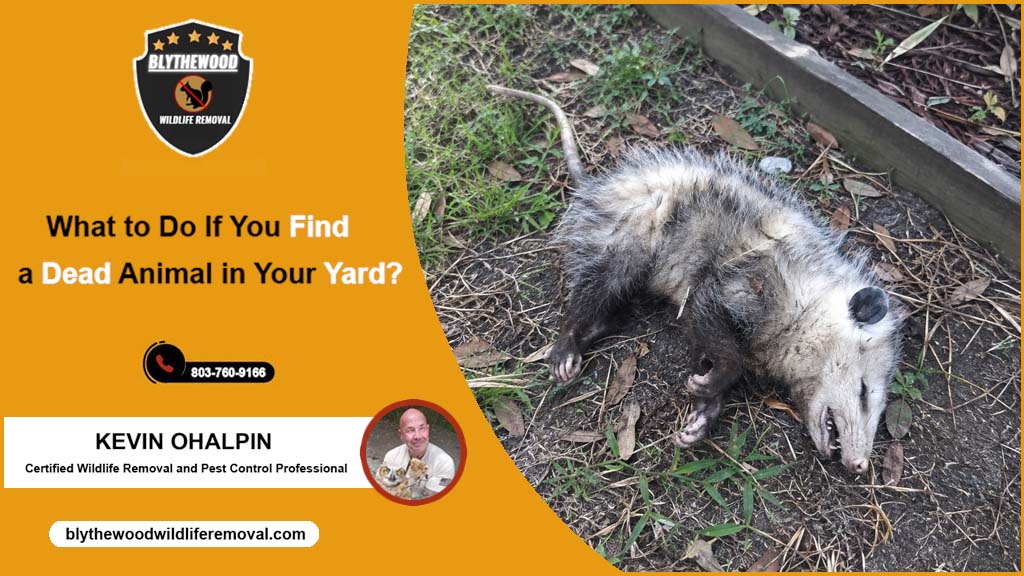
- What to Do If You Find a Dead Animal in Your Yard? - September 16, 2026
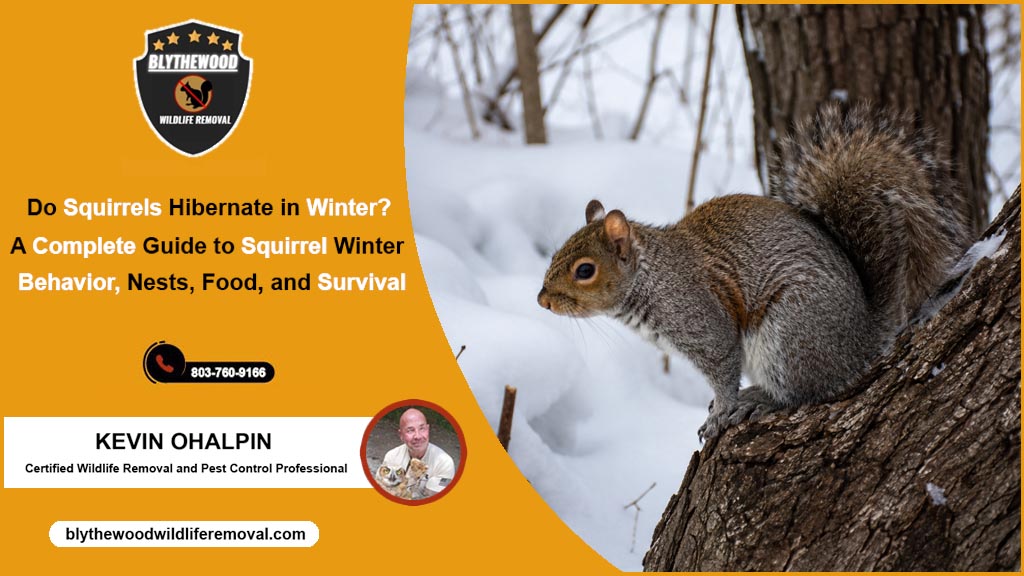
- Do Squirrels Hibernate in Winter? A Complete Guide to Squirrel Winter Behavior, Nests, Food, and Survival - September 16, 2026