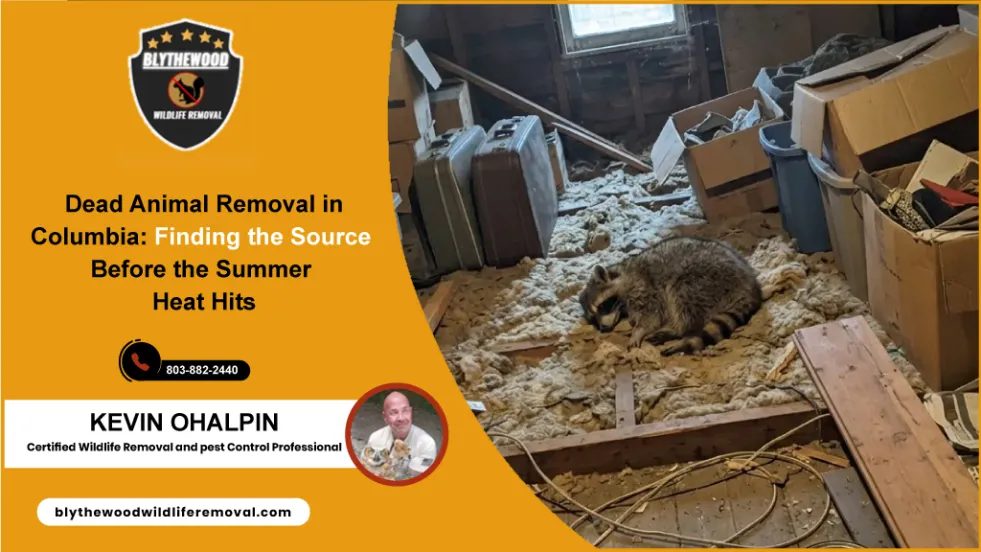
Dead Animal Removal in Columbia, SC: How to Find and Eliminate Odors Fast
April 17, 2026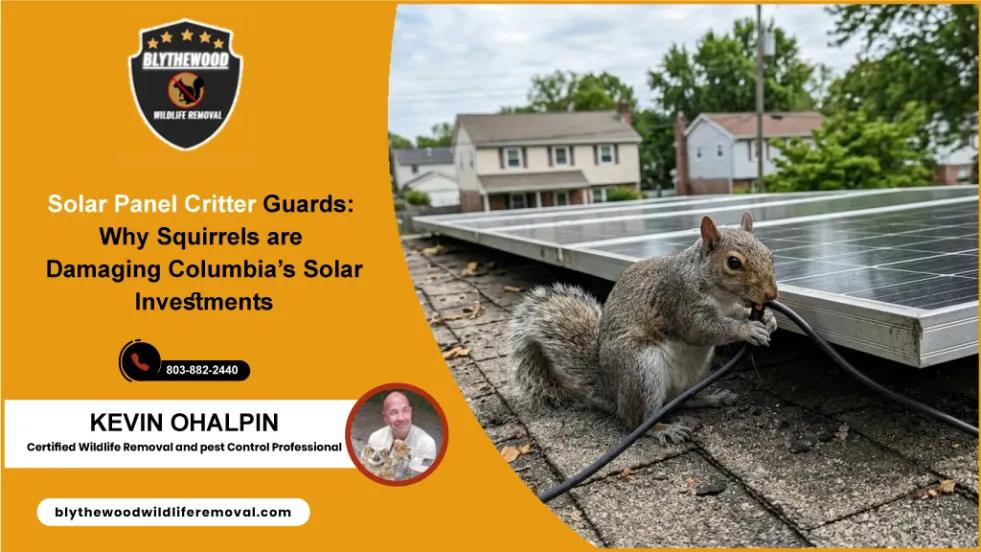
Solar Panel Critter Guards: Why Squirrels are Damaging Columbia’s Solar Investments
April 17, 2026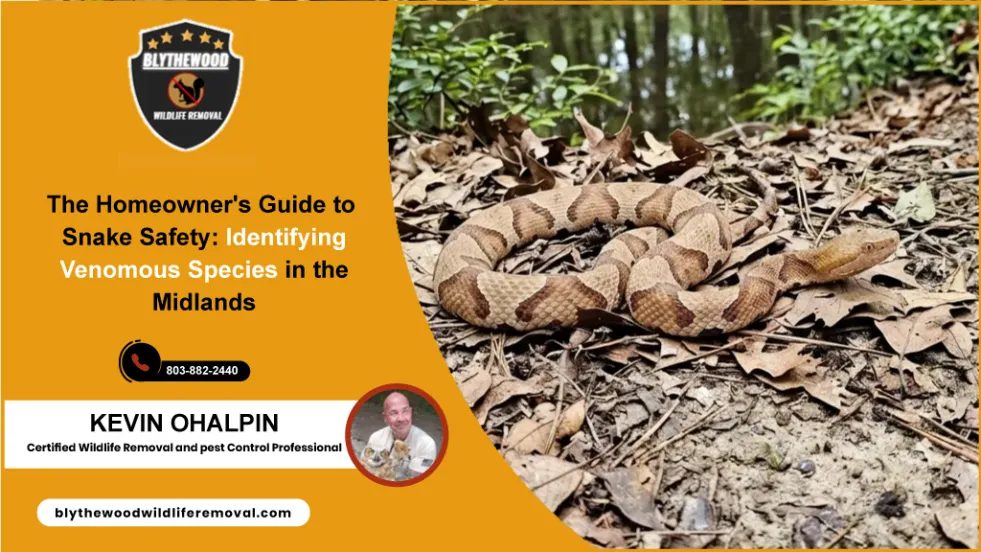
If you live in Columbia or the surrounding Midlands, chances are you’ve seen a snake at some point. Most of the time, they’re harmless and simply hunting for rodents or insects. But every now and then, it could be a venomous species. And that’s when knowing what to do matters.
Here you will learn why understanding snakes, their behavior, and the species common in the Midlands can save both people and snakes from unnecessary harm.
At Blythewood Wildlife Removal, we help local homeowners identify snakes and remove them safely when necessary. Knowing what snakes look like, where they hide, and how they behave makes a huge difference.
Why Snake Awareness Matters
Snakes aren’t usually aggressive. Most of the time, they want nothing to do with you. But bites happen when a snake is startled or cornered. Kids and pets are particularly vulnerable because they might not recognize warning signs.
Also, understanding snakes helps prevent the unnecessary killing of harmless ones. For instance, rat snakes and corn snakes do a great job controlling mice, which are far more destructive. If you know why snakes appear in certain areas, you can react calmly and keep everyone safe, including the wildlife.
Common Venomous Snakes in the Midlands
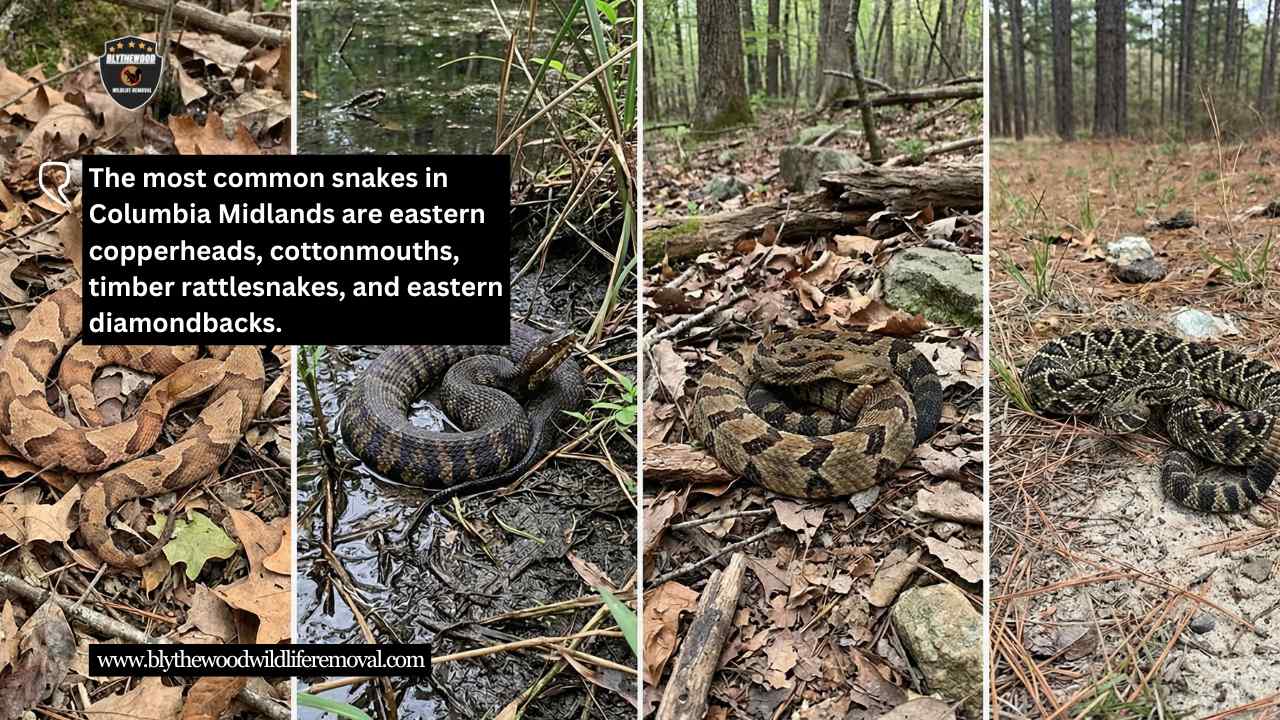
Venomous snake encounters are rare, but it’s best to be prepared.
- Eastern Copperhead: Copperheads are the most commonly spotted venomous snake in residential areas. Their hourglass-shaped markings (light brown to copper tones) blend perfectly with leaves and mulch. They are usually shy, but a bite can be painful and requires medical attention.
- Cottonmouth (Water Moccasin): These snakes are typically found near water, such as ponds, creeks, and wetlands. Cottonmouths have a thick body and will open their mouth wide if threatened, showing the white interior. Most bites occur when someone accidentally steps too close.
- Eastern Diamondback Rattlesnake: The largest rattlesnake species in North America. Recognizable by diamond-shaped patterns along the back and a rattle at the tail. Rarely seen near homes, but possible in wooded areas close to residential properties.
- Timber Rattlesnake: Found in forested areas. They have dark bands across the body and a rattle. Generally non-aggressive, but will defend themselves if cornered.
How to Identify Non-Venomous Snakes
Most snakes around homes in Columbia are non-venomous. Rat snakes, black racers, and corn snakes are common. They’re beneficial because they reduce rodent populations.
Non-venomous snakes typically have round heads and smooth body shapes. Patterns are often stripes or blotches, rather than hourglass or diamonds. Behavior can be a clue too: they usually flee quickly when disturbed.
Even so, never try to handle a snake unless you’re absolutely sure it’s harmless.
Where Snakes Hide Around Homes
Snakes look for shelter and food. Around homes, this often means woodpiles, tall grass, debris piles, garden edges, and areas under decks or sheds. Crawlspaces and small foundation gaps can also allow snakes to sneak in.
Rodents are a big factor. Where mice or rats are present, snakes will follow. This is why professional snake removal services like licensed wildlife removal in Columbia, SC, focus both on removing snakes and inspecting for conditions that attract them.
Keeping yards tidy and reducing hiding spots makes your property much less appealing to snakes.
Safety Tips for Homeowners
If you see a snake, the safest approach is simple: leave it alone. Don’t try to catch, poke, or scare it. Even non-venomous snakes can bite if threatened.
Wear gloves and boots when moving through tall grass or handling yard debris. Keep kids and pets away from likely snake hiding spots. These small precautions make a big difference.
When to Call a Professional
If a snake enters a garage, home, or crawlspace, call a professional.
Blythewood Wildlife Removal provides safe, humane snake removal throughout Columbia and the Midlands. Our trained technicians can identify species, remove the snake safely, and check your property to prevent future encounters.
This is especially important if the snake could be venomous or if its species is unknown.
Why Homeowners Trust Blythewood Wildlife Removal
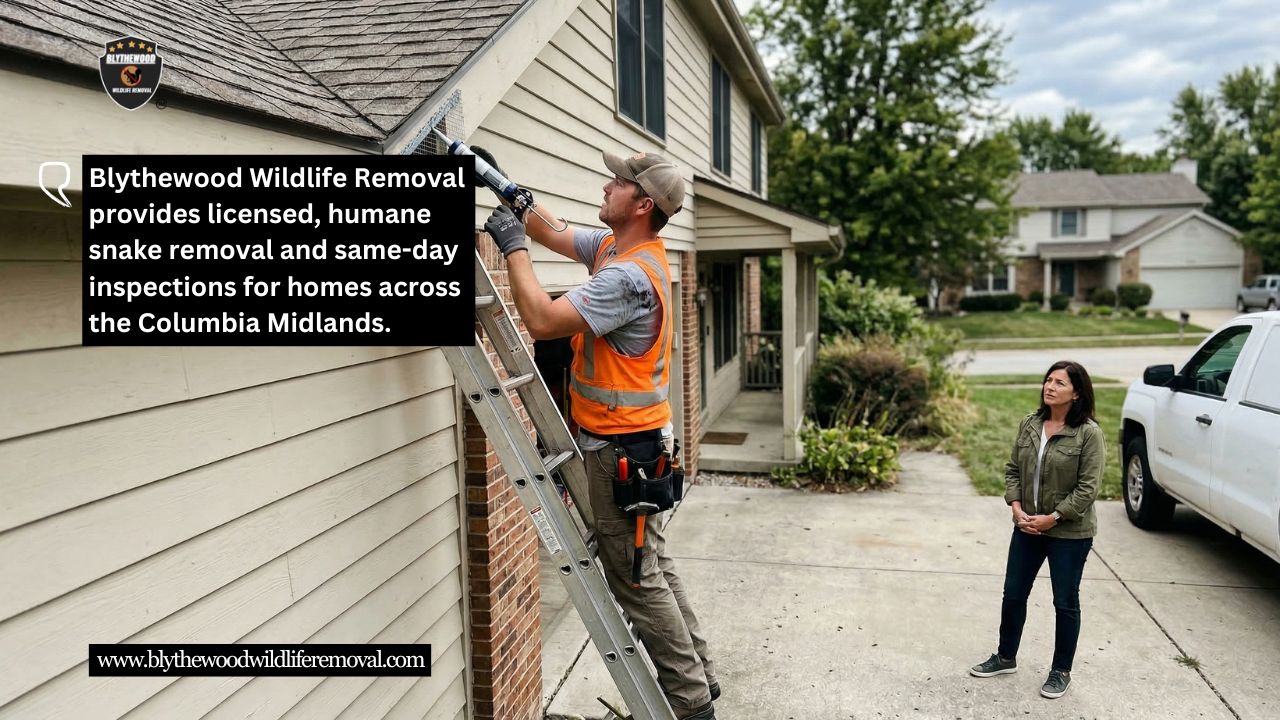
People choose Blythewood because we combine local knowledge with licensed, humane wildlife removal in Columbia, SC.
- We are licensed and certified to handle wildlife in Columbia.
- We provide same-day inspections whenever possible.
- We use humane methods for both venomous and non-venomous snakes.
- We identify attractants and entry points to prevent future problems.
We understand snake behavior in the Midlands and respond with practical solutions, not just quick removals.
Need Snake Removal in Columbia, SC?
Finding a snake in your yard or home can be stressful. Most snakes are harmless, but when one enters your home, garage, or crawlspace, professional help is the safest option.
At Blythewood Wildlife Removal, we provide inspections, safe removals, and advice on keeping your property less attractive to snakes. Our goal is to protect your family, pets, and property while minimizing harm to wildlife.
Contact Blythewood Wildlife Removal:
Business Name: Blythewood Wildlife Removal, Columbia, SC
Address: 1314 Lincoln St, Columbia, SC 29201
Phone: 803-760-9166
Email: [email protected]
Same-day service available throughout Columbia and the surrounding areas.
FAQs About Snake Removal in the Midlands
What venomous snakes live in the Midlands?
The most common are eastern copperheads, cottonmouths, timber rattlesnakes, and eastern diamondbacks. Copperheads are most often seen near homes.
Are snakes in yards dangerous?
Most are harmless and beneficial. Still, venomous species exist, so always observe from a safe distance.
Can I remove a snake myself?
Not recommended. Professionals have the training and equipment to safely remove snakes without risking bites.
What attracts snakes to my property?
Food and shelter. Rodents, water sources, debris piles, and tall grass are all attractive to snakes.
Do wildlife removal companies relocate snakes?
Yes. Humane removal companies capture snakes and relocate them to suitable habitats following local regulations.
- Signs of a Raccoon in the House and What to Do About It - September 16, 2026
- What to Do If You Find a Dead Animal in Your Yard? - September 16, 2026
- Do Squirrels Hibernate in Winter? A Complete Guide to Squirrel Winter Behavior, Nests, Food, and Survival - September 16, 2026