
Scratching in the Walls? Identifying the Nighttime Intruders in Columbia Homes
April 20, 2026
The Danger of Chewed Wires: Why Rodent Removal is a Matter of Fire Safety
April 20, 2026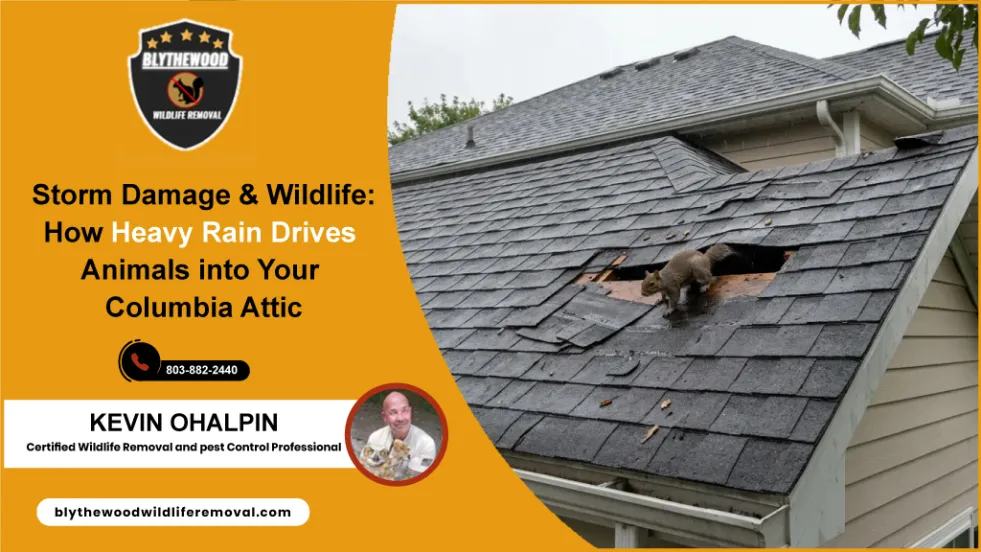
After a heavy storm passes through Columbia, most homeowners focus on what they can see. Shingles on the ground. Gutters overflowing. Maybe a small leak in the ceiling.
What often gets missed is what happens after the rain stops.
Storm damage quietly creates openings that animals notice almost immediately. And once they find a way in, your attic becomes the perfect place to stay.
This is one of the most common reasons homeowners in Columbia, SC, suddenly start hearing movement above the ceiling a day or two after a storm.
Why Storms Make Wildlife Problems Worse
Heavy rain, strong winds, and saturated ground change how animals behave. Their normal hiding spots get flooded or disturbed, so they start looking for dry, stable shelter.
Your attic checks all the boxes.
- It is warm
- It is elevated
- It is usually undisturbed
- It may be easier to access than you think
Even a small gap in the roofline or a loosened vent can be enough. Animals do not need a large opening. Some only need a few inches to get inside.
In Columbia neighborhoods with older roofs or tree coverage, this becomes even more common after storms.
Common Entry Points After Heavy Rain in Columbia Homes
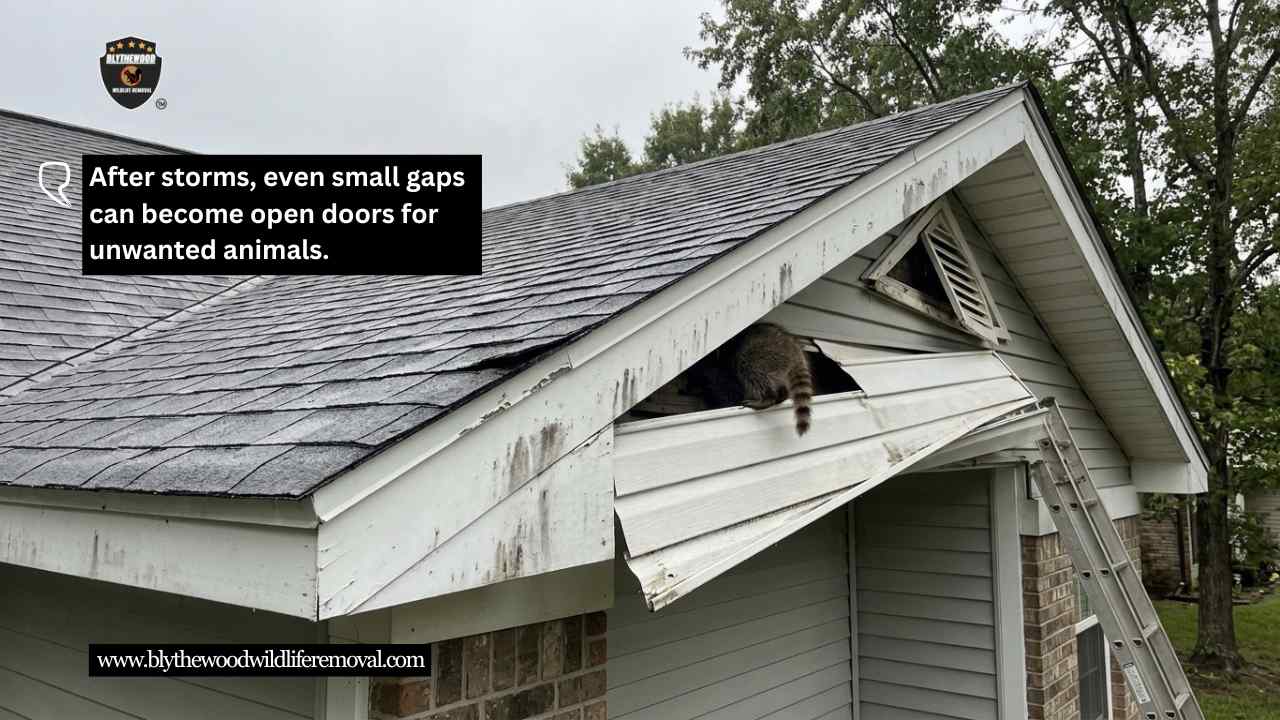
Storm damage does not always look dramatic. In many cases, the entry point is subtle and easy to overlook.
- A slightly lifted shingle
- A cracked soffit panel
- A loose attic vent
- Gaps where water has weakened the structure
These small changes are enough for wildlife to take advantage. Once inside, they often stay hidden. You may not notice anything right away until the sounds begin at night.
What Animals Usually Move Into Attics After Storms
Different animals respond to storms in different ways, but a few show up more often than others in Columbia, SC.
Squirrels Looking for Dry Nesting Space
Squirrels are quick to take advantage of roof damage. After rain, they look for dry areas to rebuild nests, and attics become a top choice.
You may hear fast running, scratching, or sudden movement early in the morning or around sunset. They are easy to spot and identify.
Raccoons Seeking Shelter After Flooding
Raccoons are strong and persistent. If their usual den is affected by rain or flooding, they will search for higher ground. Attics provide that safe space.
Their presence is usually louder. Heavy footsteps, shifting sounds, or thumping above the ceiling are common signs.
Rats and Mice Displaced by Water
Rodents often get pushed out of their burrows when the ground becomes saturated. This forces them to look for higher, drier locations.
They can enter through extremely small gaps and start nesting quickly. The sounds are lighter but more frequent. Scratching, chewing, and constant movement at night are typical.
Bats Using Openings Near Rooflines
Storms can loosen vents or create small gaps that bats use to enter attic spaces. Their activity is quieter, often limited to faint scratching or fluttering near the roof area.
They play a significant role in the ecosystem, but their presence inside a home is dangerous, and their guano (excrement) can transmit histoplasmosis. That’s why bat removal in Columbia becomes important for your family and pets.
Signs You Have Wildlife After a Storm
Not every problem shows up immediately. Sometimes it takes a few days before the signs become clear.
- You might notice new sounds at night
- Movement in the attic or ceiling
- Unusual odors are starting to develop
- Small debris or droppings in attic areas
If these signs appear shortly after a storm, there is a strong chance wildlife has moved in.
Why This Problem Gets Worse If You Wait
Animals do not just pass through and leave. They settle in. They build nests. They chew materials. They expand their space. Some even bring in others.
What starts as a small entry point can turn into structural damage, contaminated insulation, or electrical risks if wiring is affected.
This is why early inspection matters. Fixing the issue right after a storm is much easier than dealing with long-term damage later.
Wildlife Removal Help in Columbia, SC
If you start hearing movement in your attic after heavy rain, it usually means animals have already found a way inside. In Columbia, SC, this is a common issue after storms, especially in homes with minor roof damage or aging structures.
Guarranted wildlife removal in Columbia focuses on locating the exact entry point, removing the animals safely, and sealing those gaps so the problem does not return. It also helps prevent further damage to insulation, wiring, and structural areas that animals tend to disturb once they settle in.
Contact Blythewood Wildlife Removal:
Business Name: Blythewood Wildlife Removal, Columbia, SC
Address: 1314 Lincoln St, Columbia, SC 29201
Phone: 1-803-760-9166
Email: [email protected]
Same-day wildlife inspection and removal is available across Columbia, SC, and nearby areas for urgent situations.
How to Reduce the Wildlife Risk in Future Storms
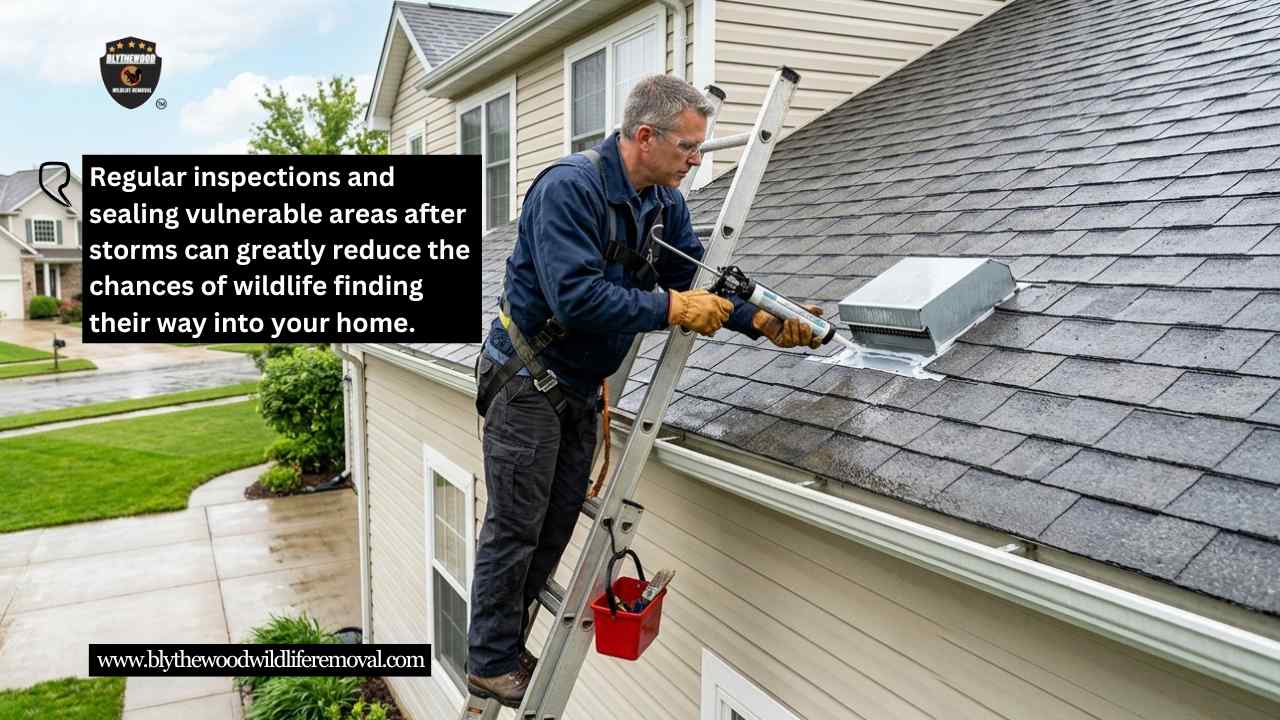
You cannot stop storms, but you can reduce the chances of wildlife getting inside afterward.
- Check your roof after heavy rain
- Look for loose vents or damaged soffits
- Trim branches that hang close to the house
- Seal small openings before animals find them
Simple checks like these can make a big difference, especially in storm-prone seasons in Columbia.
Final Thoughts
Storm damage does not always end with visible repairs. Sometimes, the bigger issue starts quietly after the weather clears.
If you hear new sounds in your attic or walls following heavy rain, it is worth taking seriously. In many Columbia homes, that is the first sign that wildlife has already moved in.
Catching it early keeps the problem small. Waiting usually does the opposite.
FAQs About Storm Damage and Wildlife in Columbia
How quickly can animals enter my attic after storm damage?
It can happen the same day or within a couple of days. Even small openings caused by wind or rain are enough for animals like squirrels or rodents to get inside and start nesting.
What animals are most likely to enter attics after rain in Columbia, SC?
The most common ones include squirrels, raccoons, rats, mice, and sometimes bats. Each of them looks for dry shelter after storms, and attics provide the ideal environment.
Are attic noises after a storm always because of wildlife?
Not always, but if the sounds are consistent, especially at night or early morning, there is a strong chance it is animal activity rather than just structural shifting or wind effects.
What are the early signs of wildlife after storm damage?
New scratching sounds, movement above ceilings, droppings in the attic, unusual smells, or visible damage near roof edges and vents are all early warning signs.
Should I fix the roof first or remove the animal first?
It is important to identify and remove the animal before sealing entry points. Closing the gap too early can trap animals inside, which can create bigger problems.
Can storm-related wildlife problems come back?
They can if entry points are not properly sealed. That is why full exclusion work is important, along with removal, so animals do not return after the next storm.
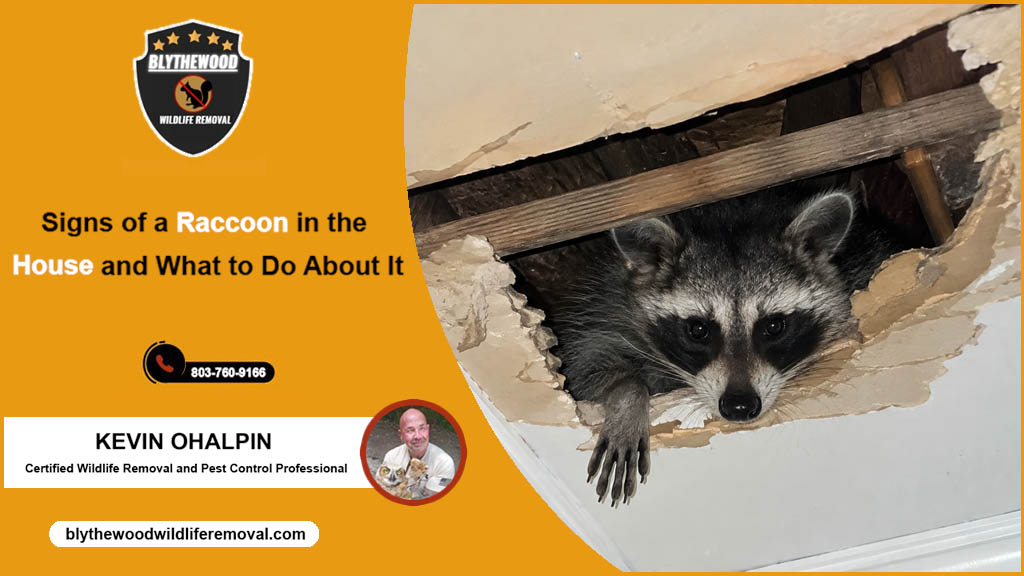
- Signs of a Raccoon in the House and What to Do About It - September 16, 2026
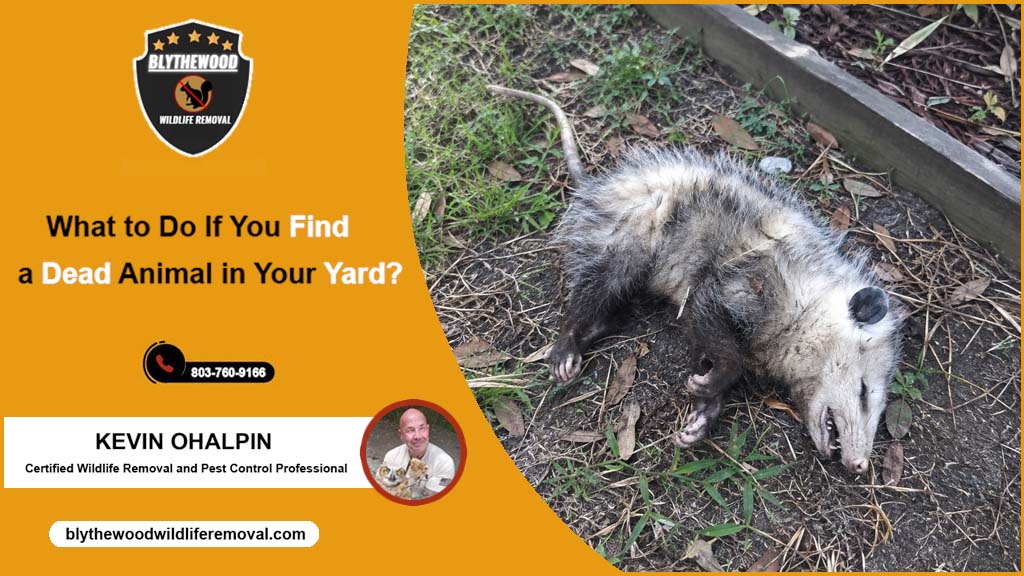
- What to Do If You Find a Dead Animal in Your Yard? - September 16, 2026
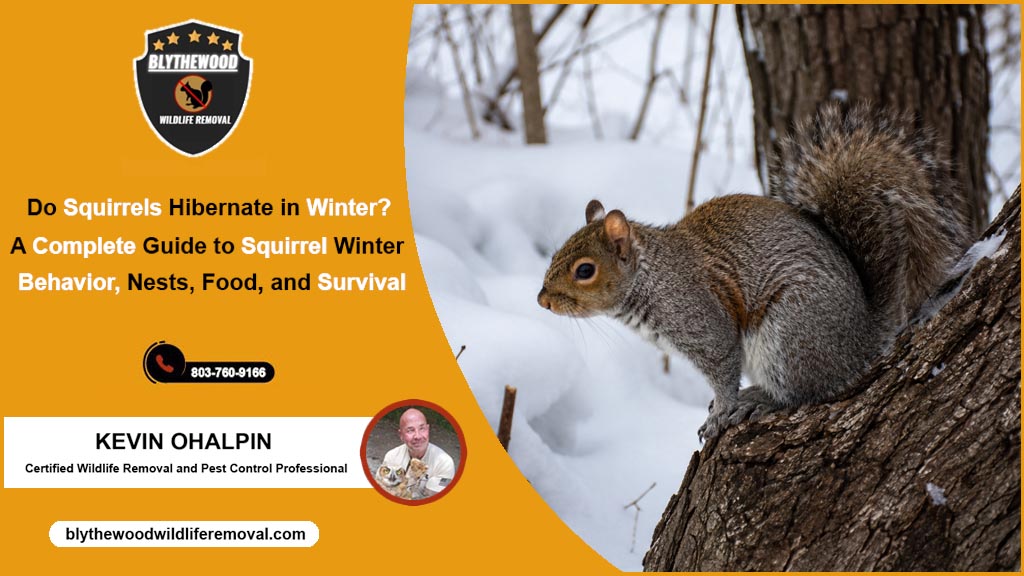
- Do Squirrels Hibernate in Winter? A Complete Guide to Squirrel Winter Behavior, Nests, Food, and Survival - September 16, 2026