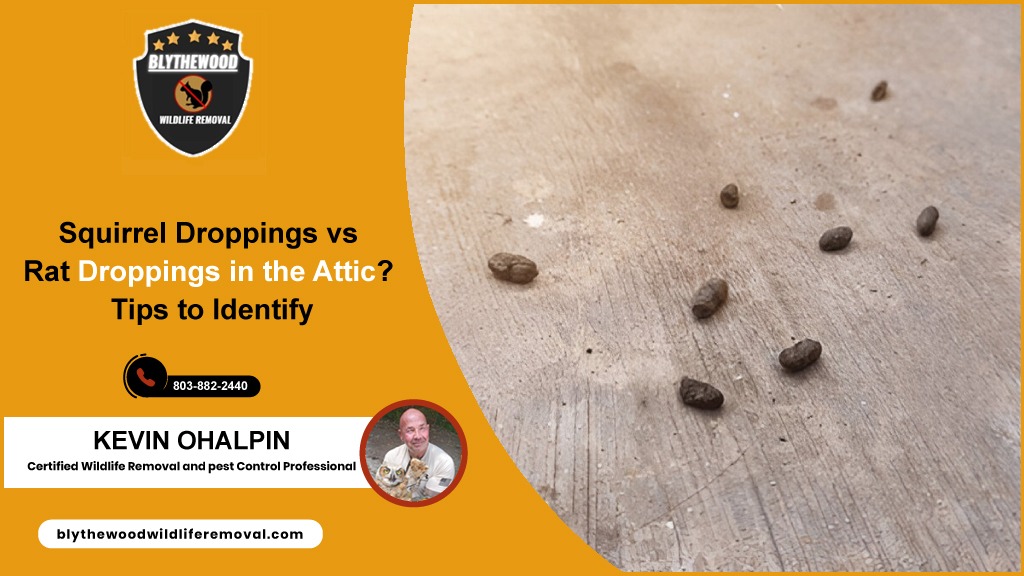
Squirrel Droppings vs Rat Droppings in the Attic? Tips to Identify
April 8, 2026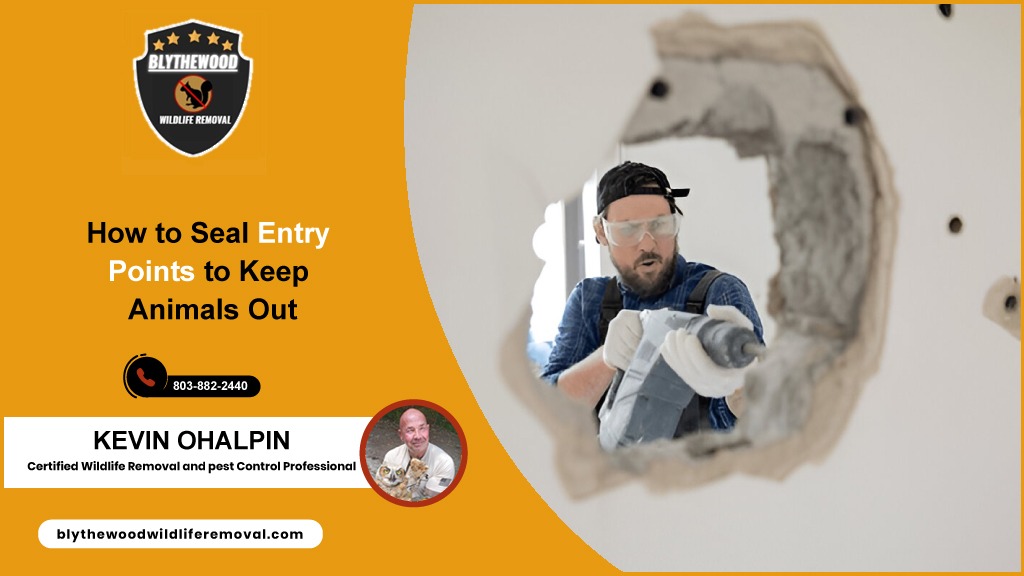
How to Seal Entry Points to Keep Animals Out
April 13, 2026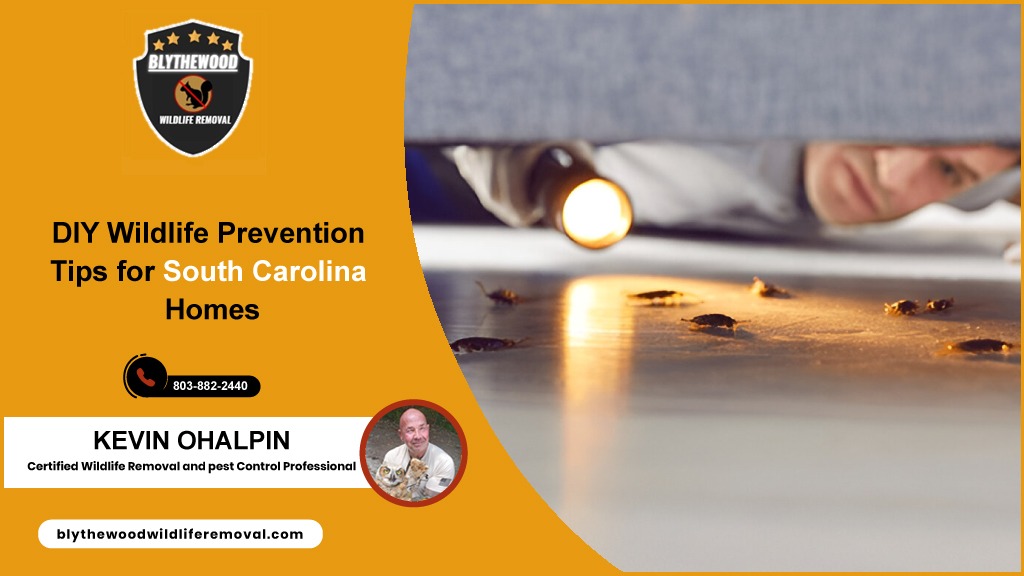
In South Carolina, homeowners face a unique challenge when it comes to wildlife. The state’s warm climate, wooded neighborhoods, and abundant food sources make it an attractive place for animals like squirrels, raccoons, bats, snakes, and opossums. These creatures may be fascinating to watch in your backyard, but once they cross the line into your home, they can cause damage, spread disease, and create major headaches. Preventing wildlife from getting inside is far easier and less expensive than removing them after they’ve settled in.
At Blythewood Wildlife Removal, we see the same story play out time and again: small gaps in siding, loose soffits, or open vents that give wildlife easy access. With a few proactive steps, you can make your home far less appealing to unwanted guests.
Inspecting Your Home’s Exterior
The first step in wildlife prevention is a detailed inspection of your home’s exterior. Look closely at the roofline, soffits, fascia boards, and attic vents. Even a gap the width of a finger can be an entry point for a determined rodent or bat. Squirrels, in particular, have no trouble chewing through soft wood or gnawing at loose shingles to make the opening bigger. Rats can squeeze through holes as small as half an inch.
During your inspection, check for chew marks, droppings, or signs of nesting material around potential entry points. If you notice anything suspicious, it’s best to seal it up quickly before an animal decides to make itself at home.
Sealing Gaps and Openings
Once you identify weak points, seal them with durable materials that wildlife can’t chew through. Galvanized steel mesh, metal flashing, and heavy-gauge hardware cloth work far better than expanding foam or caulk alone, which squirrels and rats can easily chew through. Pay close attention to areas where different parts of the roof meet, around vent covers, and along soffits.
Some homeowners feel confident tackling this on their own, but if you’re unsure about the best materials or methods, our team offers professional exclusion work that’s built to last. We don’t just patch holes; we make sure animals can’t find new ways in.
Managing Food Sources Around Your Property
Wildlife often comes closer to your home when there’s an easy food source nearby. Bird feeders, open trash cans, pet food bowls, and even compost piles can attract unwanted visitors. If you have bird feeders, position them far from the house and use designs that minimize spillage. Keep trash in tightly sealed containers, preferably with locking lids, and avoid leaving pet food outside overnight.
Even fruit trees and vegetable gardens can be an attraction for raccoons, opossums, and squirrels. Harvest ripe produce promptly, and consider installing fencing if you’ve had repeated issues. Reducing available food is one of the simplest ways to keep wildlife at a safe distance.
Yard Maintenance and Landscaping
Your landscaping can play a big role in how easily wildlife can reach your home. Overhanging tree branches give squirrels and raccoons a direct path to your roof, so trimming them back at least six to eight feet from the house is essential. Dense shrubs or wood piles near your foundation can provide shelter for snakes, rats, and other animals, so keeping these areas clear will make your property less inviting.
A well-maintained yard not only improves curb appeal but also helps you spot wildlife activity early. Fresh digging, trampled grass, or disturbed mulch can all be signs that animals are moving through your property.
Attic and Crawl Space Protection
Attics and crawl spaces are prime targets for wildlife because they offer shelter, warmth, and safety from predators. Installing sturdy vent covers and ensuring that crawl space doors fit tightly can block easy access. Inside the attic, be alert for signs like droppings, insulation disturbance, or a musky odor, which can indicate that something has already moved in.
If your attic or crawl space already shows signs of wildlife entry, it’s important to address it quickly. We handle both the removal of the animals and the repairs needed to prevent them from coming back.
Water Sources and Moisture Control
Wildlife needs water just as much as food, so standing water on your property can be a big attraction. Check for leaky outdoor faucets, clogged gutters, and low spots in the yard that collect rainwater. Even bird baths can attract raccoons or other animals, so placing them away from the house can help reduce activity near your home’s foundation.
In crawl spaces, excess moisture can draw in pests like snakes and insects, which in turn attract larger predators. Good ventilation and proper drainage are key to keeping these spaces dry.
When DIY Isn’t Enough
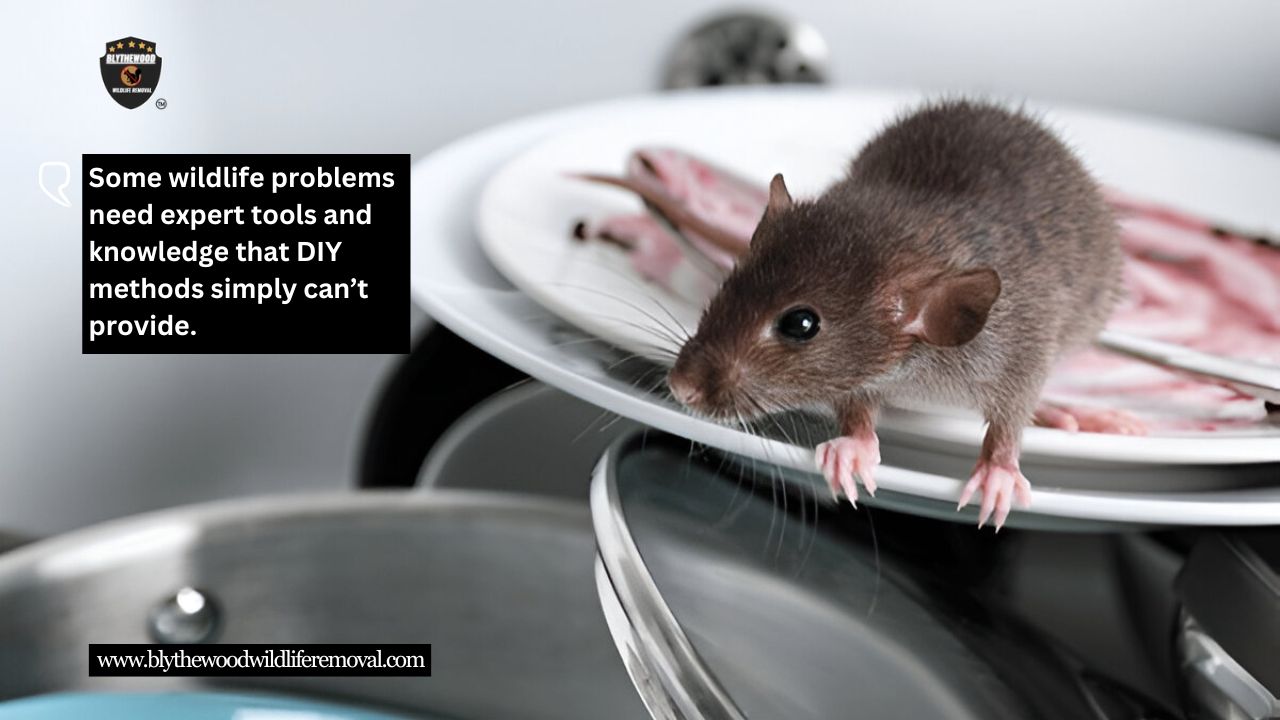
While many prevention steps can be done yourself, there are situations where professional help is the smartest choice. If you’re dealing with persistent entry attempts, if animals have already moved in, or if you’re unsure where the vulnerabilities are, a trained wildlife removal expert can save you time and frustration. We have the tools, experience, and knowledge of local species needed to create a comprehensive prevention plan.
Our team at Blythewood Wildlife Removal specializes in humane wildlife control and long-term exclusion solutions. We’ve worked with countless South Carolina homeowners to secure their properties against everything from squirrels to snakes, and we tailor our approach to your home’s specific needs.
Protect Your South Carolina Home Today
If you want to keep wildlife where it belongs, outside, start with a careful inspection and a plan to address any vulnerabilities. Many steps can be handled on your own, but for complete peace of mind, professional assistance is worth considering. At Blythewood Wildlife Removal, we provide inspections, exclusion work, cleanup, and long-term prevention so you can enjoy your home without worrying about unwanted guests.
Call us today at 1-803-760-9166 to schedule a home inspection and find out how we can help keep your property safe from wildlife year-round.
- Signs of a Raccoon in the House and What to Do About It - September 16, 2026
- What to Do If You Find a Dead Animal in Your Yard? - September 16, 2026
- Do Squirrels Hibernate in Winter? A Complete Guide to Squirrel Winter Behavior, Nests, Food, and Survival - September 16, 2026