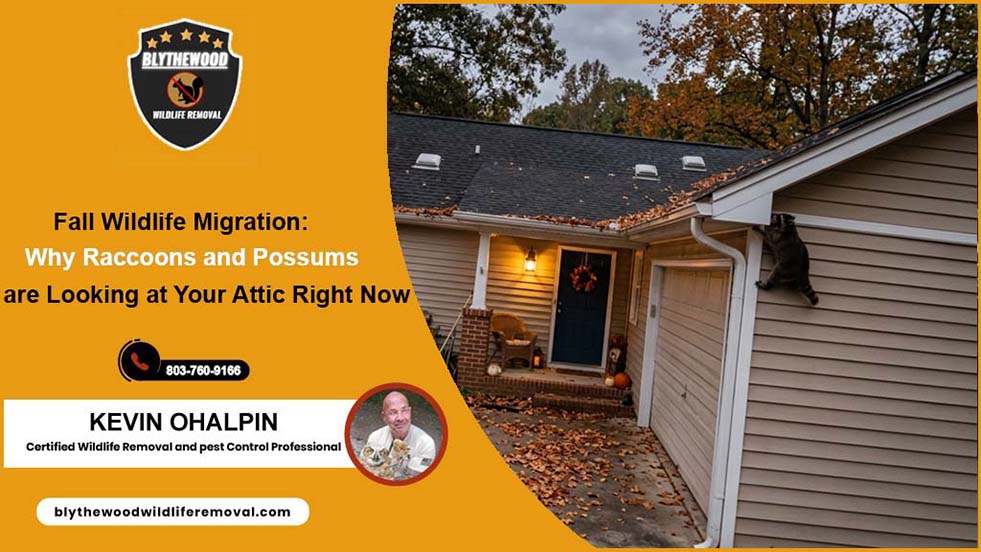
Fall Wildlife Migration: Why Raccoons and Possums are Looking at Your Attic Right Now
May 22, 2026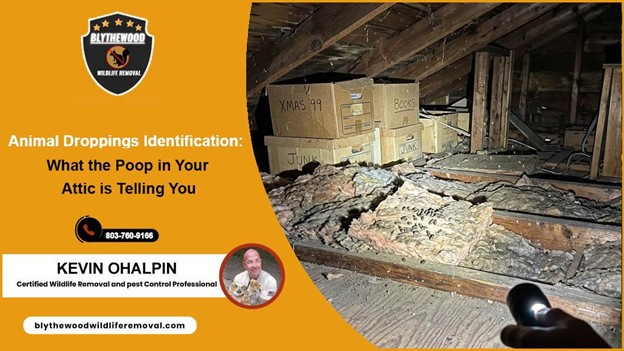
Animal Droppings Identification: What the Poop in Your Attic is Telling You
May 22, 2026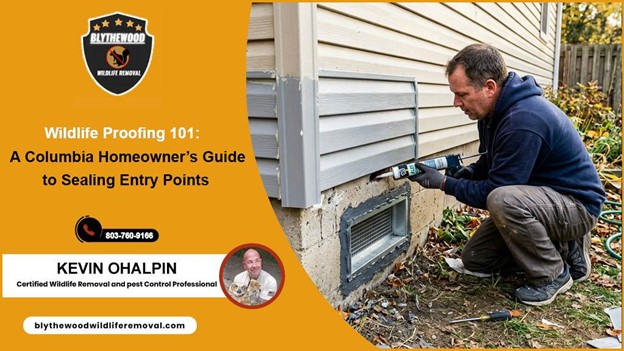
Wildlife problems in Columbia homes usually happen because animals find an easy way inside. Most homeowners do not notice these access points until they hear noises in the attic, find droppings in the crawlspace, or see damage around vents or roof edges.
Wildlife proofing helps prevent these problems before animals enter the home. The goal is to inspect vulnerable areas, seal openings, and reduce the conditions that attract wildlife around the property.
At Blythewood Wildlife Removal, many service calls for rodent removal, raccoon removal, and squirrel removal begin with small exterior gaps that could have been sealed earlier. Preventive work is often much less expensive than dealing with attic damage, insulation contamination, or repeat infestations later.
Check Roof Vents and Attic Openings
Roof vents are one of the most common entry points for wildlife in Columbia, SC. Damaged vent covers or loose screening allow animals to enter attic spaces easily.
During an inspection, check for:
- Loose vent covers
- Bent metal screening
- Gaps around attic fans
- Broken roof shingles near vents
Homes near wooded areas like Forest Acres and Rosewood often deal with more attic wildlife activity because animals can access roofs from nearby trees.
If attic openings are left exposed, they may eventually lead to the need for professional wildlife removal in Columbia and attic cleanup services.
Inspect Soffits and Fascia Boards
Soffits and fascia boards are located along the edges of the roof and are common weak points around older homes.
Moisture damage, storms, and aging materials can create gaps large enough for squirrels, rodents, or bats to enter. Even small cracks can become larger over time once animals begin using them repeatedly.
Look for:
- Soft or rotting wood
- Visible openings near the roof edges
- Loose soffit panels
- Chewing or scratching marks
These areas should be repaired quickly because wildlife often returns to the same entry point once it has been used before.
Seal Gaps Around Pipes and Utility Lines
Small openings around plumbing pipes, cable lines, and utility connections are common rodent entry points.
Mice and rats do not need large holes to get inside. Gaps around exterior pipes or wiring can easily allow rodents into walls, crawlspaces, and attics.
This is one of the biggest reasons homeowners end up needing rodent removal services during colder months in Columbia.
Use durable sealants or metal mesh materials to seal these entry points properly. Basic foam products alone are usually not enough because rodents can chew through them.
Secure Crawlspace Vents and Foundations
Crawlspaces attract wildlife because they provide dark, protected shelter underneath the home.
Open crawlspace vents, damaged barriers, or foundation gaps can allow opossums, rodents, and snakes to enter.
Check for:
- Broken vent screens
- Standing moisture near the foundation
- Loose crawlspace doors
- Open gaps around the lower structure
Professional opossum removal calls often begin with crawlspace access issues that were never sealed properly.
Trim Tree Branches Near the Roof
Tree branches hanging over the roof create direct access to attic areas. Squirrels and raccoons commonly use branches to reach vents, shingles, and roof edges.
Branches should be trimmed several feet away from the house whenever possible. This is especially important in neighborhoods around Irmo and near wooded areas surrounding Sesquicentennial State Park, where wildlife activity is naturally higher.
Install Chimney Caps and Vent Covers
Uncovered chimneys and vents are common wildlife access points. Birds, raccoons, squirrels, and bats may enter through these openings if protective covers are missing or damaged.
Installing secure chimney caps and heavy-duty vent covers helps prevent future infestations and reduces the need for services like bat removal or bird nest removal later.
Clean Up Outdoor Food Sources
Wildlife is more likely to stay near homes where food is easy to access. Pet food left outside, overflowing trash bins, fallen fruit, and unsecured compost piles attract rodents and other animals closer to the property.
Reducing food sources helps lower the chances of wildlife staying near entry points around the home.
Schedule Regular Wildlife Inspections
Some entry points are difficult to spot from the ground. Roof gaps, attic damage, and hidden crawlspace openings often go unnoticed until wildlife activity becomes obvious.
Professional inspections help identify these problems early, before animals get inside. At Blythewood Wildlife Removal, we provide fast and reliable inspections throughout Columbia, SC, along with humane exclusion services designed to keep wildlife out long term.
Reliable Wildlife Proofing Support
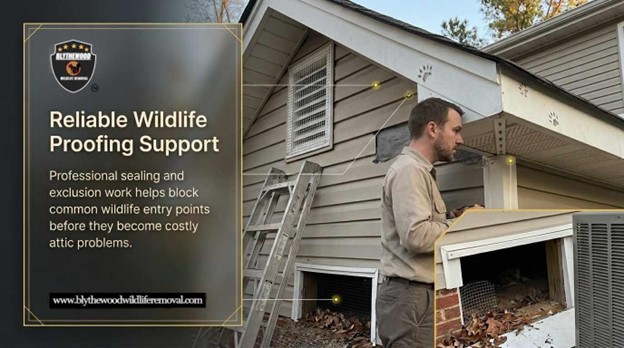
Wildlife proofing is one of the best ways to avoid future infestations and expensive repairs. Sealing entry points early helps reduce the risk of rodents, raccoons, squirrels, bats, snakes, and other wildlife entering attics or crawlspaces.
Blythewood Wildlife Removal provides trusted wildlife inspections, exclusion work, attic sealing, and humane animal removal throughout Columbia and nearby communities. Our team also handles raccoon, squirrel, rodent, bat, snake, and opossum removal for homeowners already dealing with active wildlife problems.
Contact Blythewood Wildlife Removal:
Business Name: Blythewood Wildlife Removal, Columbia SC
Address: 1314 Lincoln St, Columbia, SC 29201
Phone: 803-760-9166
Email: [email protected]
Final Thoughts
Wildlife proofing works best when it is done before animals enter the home. Small gaps around vents, rooflines, crawlspaces, and utility openings can quickly turn into major wildlife problems if they are ignored.
Regular inspections and proper sealing help protect attics, walls, and crawlspaces from damage while reducing the chances of repeat infestations later.
FAQs About Wildlife Proofing in Columbia, SC
What is wildlife proofing?
Wildlife proofing means sealing and securing the areas around a home where animals commonly enter, including vents, roof gaps, crawlspaces, and attic openings.
Why do animals enter homes in Columbia, SC?
Animals usually enter homes searching for shelter, warmth, or food, especially during colder weather or heavy rain.
What are the most common wildlife entry points?
Roof vents, soffits, crawlspace vents, chimney openings, and gaps around utility lines are some of the most common access points.
Can small openings really allow rodents inside?
Yes. Mice can enter through very small gaps around pipes, foundations, and exterior walls.
How often should wildlife inspections be done?
Most homes benefit from yearly inspections, especially before fall and winter when wildlife activity increases.
Does wildlife proofing help prevent attic infestations?
Yes. Proper sealing and exclusion work significantly reduce the chances of wildlife entering attic spaces.
Does Blythewood Wildlife Removal offer wildlife exclusion services?
Yes. Blythewood Wildlife Removal provides wildlife inspections, humane removal, and long-term exclusion services throughout Columbia, SC.
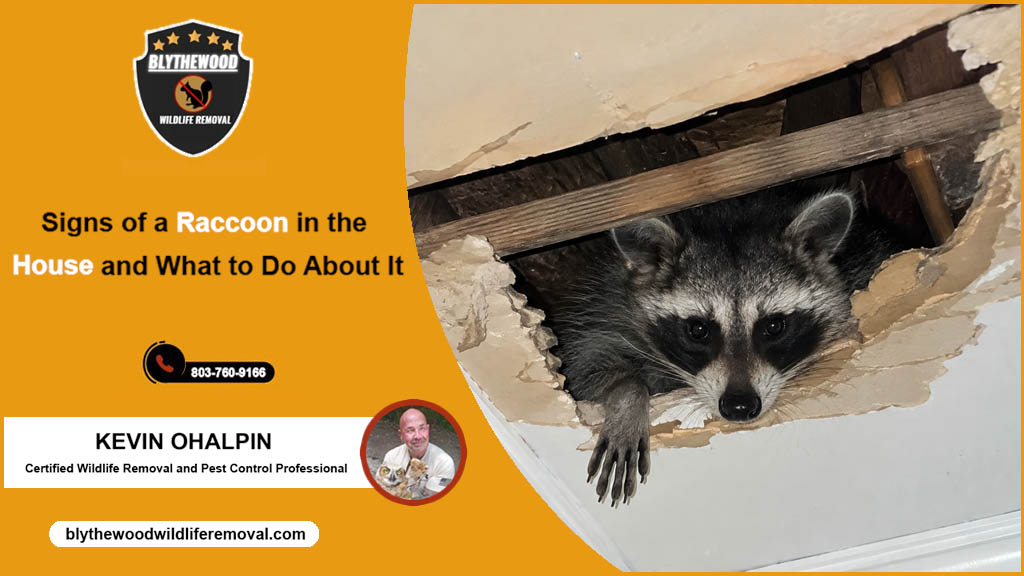
- Signs of a Raccoon in the House and What to Do About It - September 16, 2026
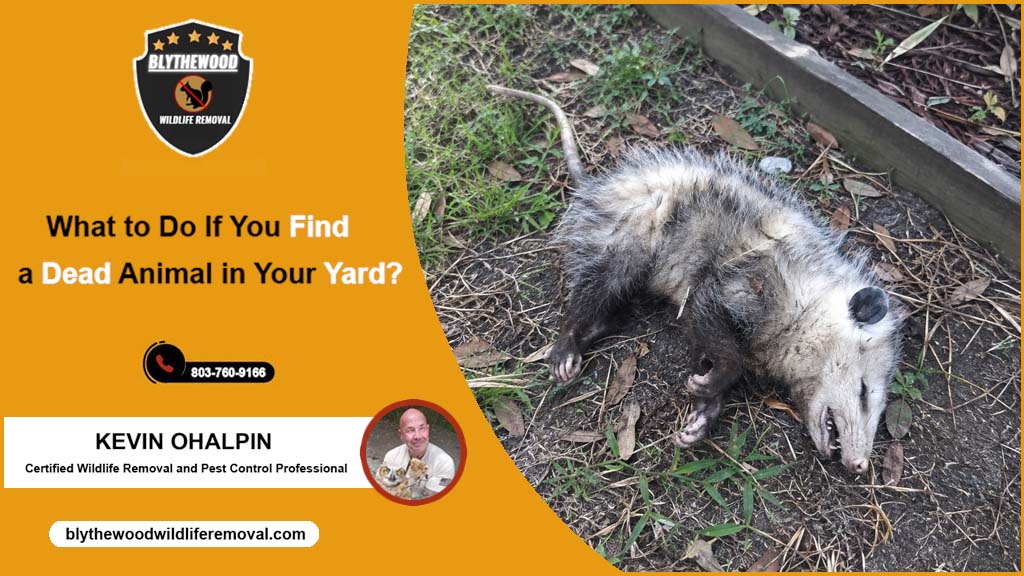
- What to Do If You Find a Dead Animal in Your Yard? - September 16, 2026
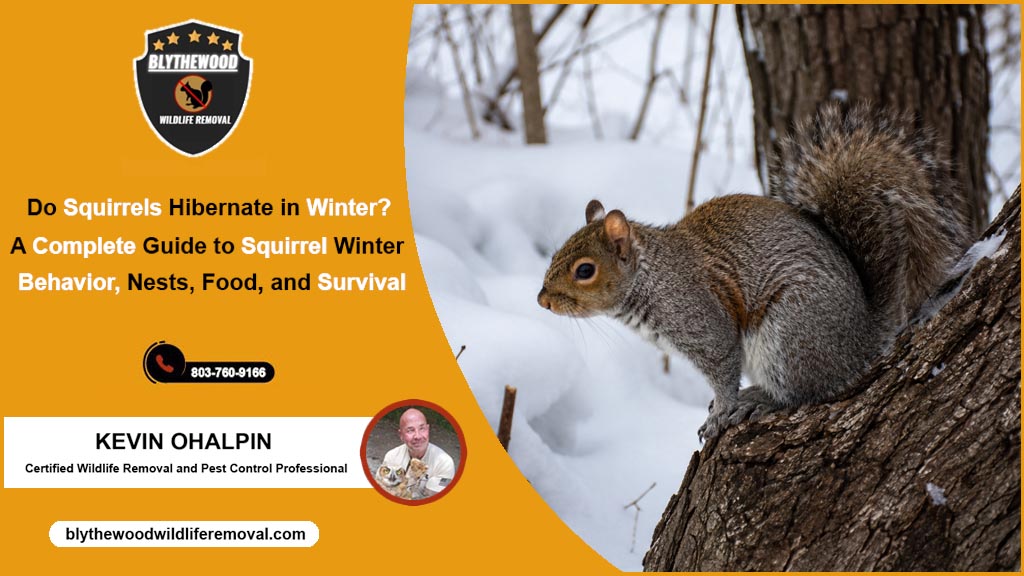
- Do Squirrels Hibernate in Winter? A Complete Guide to Squirrel Winter Behavior, Nests, Food, and Survival - September 16, 2026