
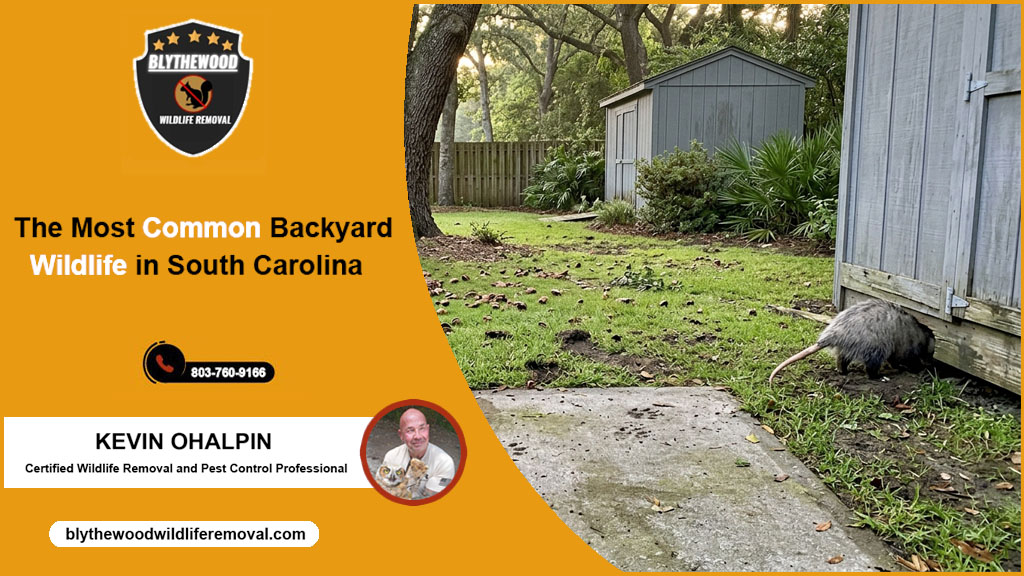
The Most Common Backyard Wildlife in South Carolina
July 27, 2026
Do Squirrels Hibernate in Winter? A Complete Guide to Squirrel Winter Behavior, Nests, Food, and Survival
September 16, 2026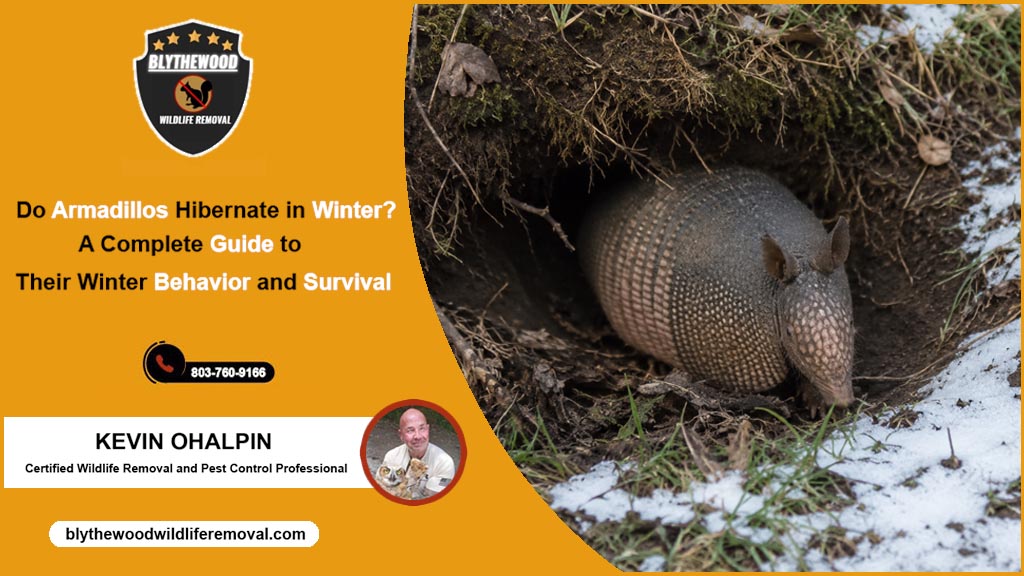
Do armadillos hibernate in winter? No, armadillos do not hibernate in the winter. Also, armadillos do not enter torpor or dormancy. In the United States, the nine-banded armadillo (Dasypus novemcinctus) does not hibernate, although the pichi armadillo is a documented exception
Hibernation is the process of conserving energy in harsh environments and during food scarcity to survive extreme conditions. Armadillos do not require hibernation.
But how does an armadillo’s low metabolic rate affect its winter survival, and where do armadillos go in the winter months to survive freezing temperatures? These are some of the interesting questions that we have answered in this helpful guide.
Do Armadillos Hibernate in Winter?
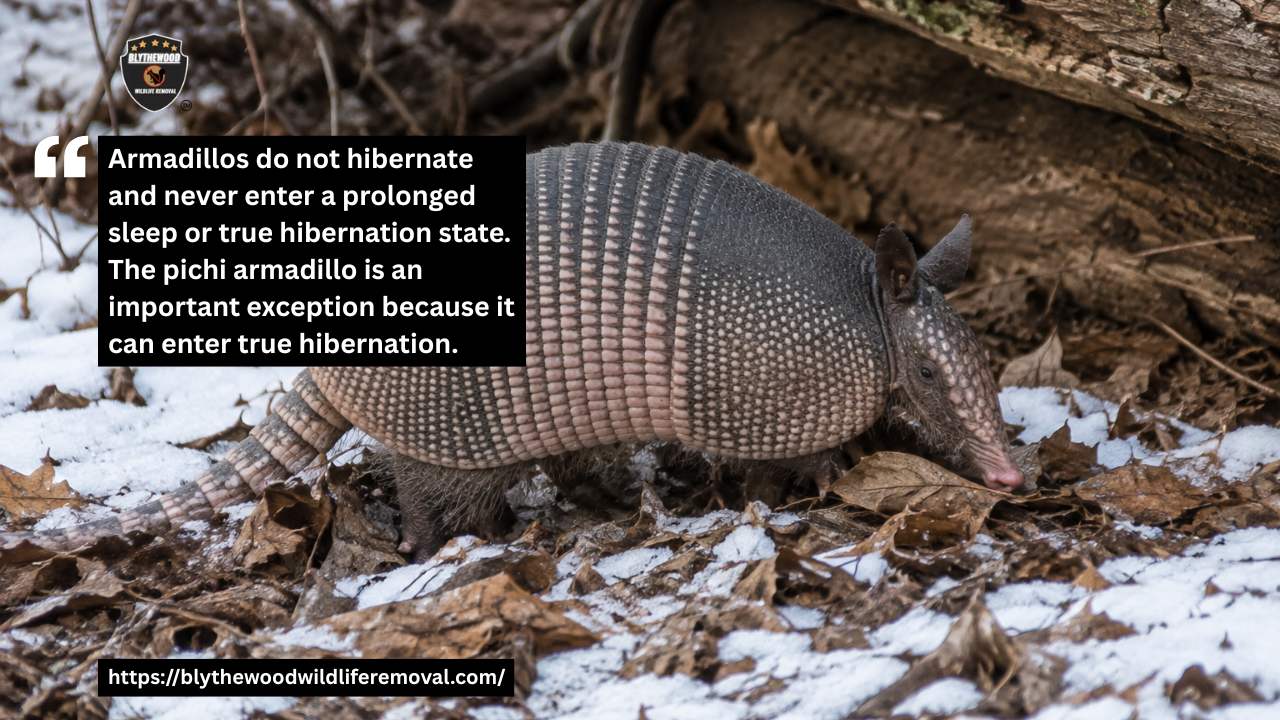
No, armadillos do not hibernate. The armadillo stays awake all winter and never enters a prolonged sleep or true hibernation state. However, the pichi armadillo is the only scientifically confirmed species that can truly hibernate.
The pichi (Zaedyus pichiy) is a small armadillo, often known as a pygmy or dwarf armadillo, weighing about 1 kg, native to the arid and semi-arid regions of central and southern Argentina and Chile.
Unlike the nine-banded armadillo (which is the only species of armadillo in the USA), it enters true hibernation each year from roughly May to August, the Southern Hemisphere winter, after building up fat reserves beforehand.
During hibernation, its body temperature can drop from a normal 35°C (95°F) to around 14°C (57°F), according to ScienceDirect, cycling through torpor bouts lasting about three days at a time, each broken up by shorter warming periods before it drops back into torpor.
Outside the main hibernation season, the pichi can also slip into daily torpor for up to four hours a night, with body temperature falling to around 24°C during these shorter episodes.
How do armadillos survive winter?
Armadillos survive winter by spending most of the day inside insulated burrows and only coming out to forage when it’s warmest.
This shift is a survival strategy built entirely around energy conservation and food availability, not any hibernation-like state. A few of the key habits involved:
- Spend about 70% of their time underground in winter, according to ResearchGate
- Shift most foraging to daylight hours, when soil and air temperatures are highest
- Reuse existing burrow networks instead of digging new ones every night
- Occasionally share a burrow with another armadillo during extreme cold, likely to conserve body heat
Because armadillos cannot store body fat or stockpile food the way many hibernating mammals do, every winter day still involves a search for insects, just a shorter and later one than in summer.
An armadillo’s low metabolic rate also affects its winter survival. This helps it reduce its energy needs and food supply. However, it also keeps it at risk of getting severely cold in winter compared to other mammals.
How Deep Do Armadillos Dig in Winter?
Armadillo burrows can reach up to 7 feet deep and 15 to 25 feet long, according to Ask IFAS, with an entrance around 8 inches wide.
Depth varies by region and soil type, and some burrows are much shallower, but deeper tunnels offer better insulation from freezing air above ground.
A single armadillo may maintain up to a dozen burrows across its home range. Shallower ones often work as short-term feeding stops, while one main burrow serves as the primary winter shelter. Armadillos only travel a few hundred yards from their burrow.
Can armadillos tolerate freezing temperatures?
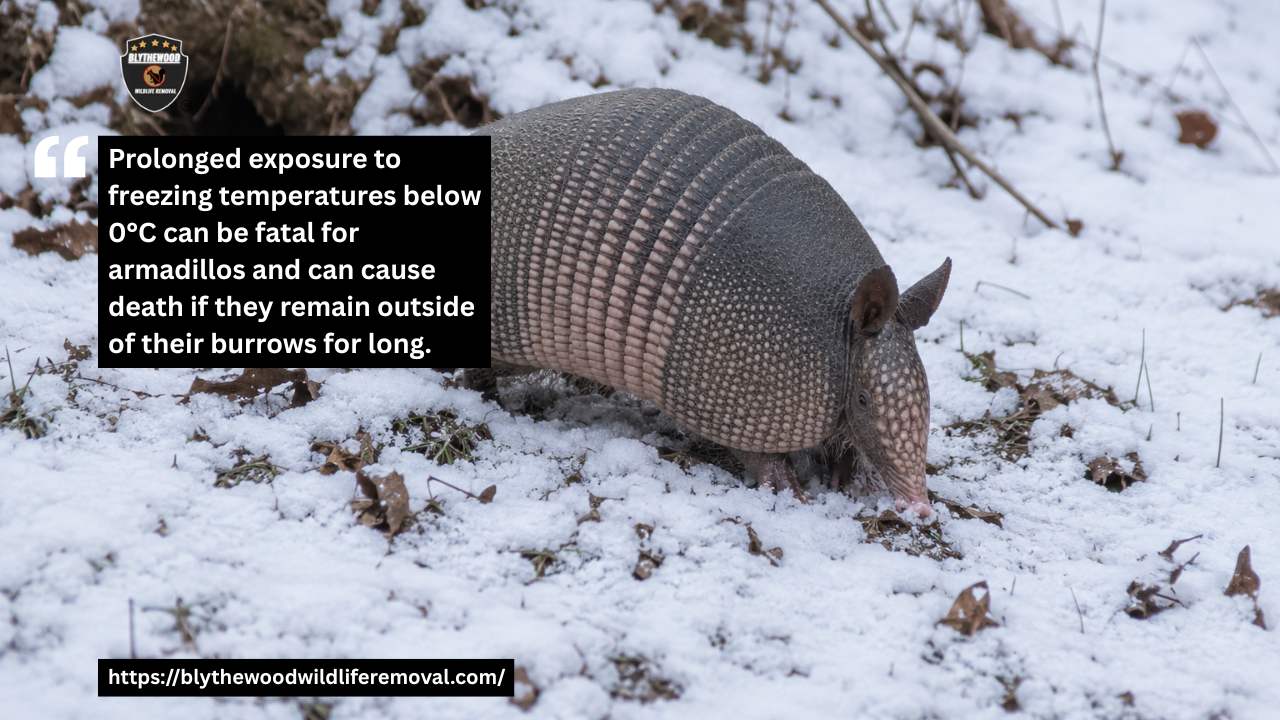
No, armadillos cannot survive freezing temperatures, and prolonged exposure to temperatures below 2°C or 0 (outside of burrows) can be fatal. Armadillos can starve to death in heavy snow and extreme cold. Sparse fur, very little body fat, and a naturally low body temperature make this species highly vulnerable to cold.
The normal temperature of an armadillo is between 33°C and 36°C. Research tracking wild armadillos found their body temperature holding steady near 35°C (95°F) even as outside conditions swung from -14°C to 30°C, which shows they rely on burrows rather than internal physiology to get through cold snaps.
Basal metabolic rate in armadillos runs as low as 20 to 60 percent of what’s expected for a mammal their size, leaving little spare energy for generating body heat. This is also a major reason the species’ northward range expansion across the United States slows or stalls in regions with extended stretches of sub-freezing weather.
What Do Armadillos Do During Winter?
Burrows
In winter, armadillos depend on their burrows more than at any other time of year, using them as shelter from both cold weather and predators.
Armadillos are among the most dedicated burrowing animals in North America, digging with strong claws on both front and hind feet. Armadillo winter burrow use increases sharply once temperatures drop, and the soil surrounding a tunnel acts as natural insulation against freezing air. Some burrows are used only briefly as resting stops, while a main den gets used repeatedly through the coldest stretches. Armadillos can also swim and walk underwater.
Winter Diet and Foraging
Armadillos stay insectivores through winter, feeding on ants, termites, grubs, beetles, and worms whenever the ground is warm enough to hunt.
Their sense of smell is strong enough to locate prey buried up to eight inches under soil, which matters most in cold weather when insects burrow deeper to escape freezing temperatures. Because armadillos cannot switch to stored fat or cached food, some individuals also eat small reptiles, amphibians, or their eggs when insects are scarce. The natural enemies of armadillos are coyotes, cougars, bobcats, and alligators.
Winter Activity Patterns
Armadillos are a nocturnal animal for most of the year, but during winter they shift toward daytime activity, foraging when the sun offers the most warmth.
This seasonal behavior, nocturnal in summer and more diurnal in winter, is well documented by wildlife researchers and driven entirely by temperature, not any internal clock. Armadillo activity drops noticeably during cold snaps but never fully stops. By resting more and traveling shorter distances, armadillos lower their overall energy expenditure during the coldest weeks, sometimes appearing almost inactive except for brief foraging trips.
Range and Winter Survival Risks
The biggest winter threats to armadillos are starvation and hypothermia, not predators.
Armadillo habitat stretches from pine forests and prairies to suburban yards across the southern and central United States, and the species has expanded steadily north and east since it was first documented in Texas in the mid 1800s and Florida in the early 1900s. That expansion slows wherever winters bring long, sustained periods of sub-freezing weather.
Wrapping up
Most armadillos do not hibernate. The nine-banded armadillo remains active during winter but changes its behavior. It spends more time in burrows, reduces activity during cold periods, and shifts foraging toward warmer parts of the day. The pichi armadillo is an important exception because it can enter true hibernation.
It’s a reminder that even a heavily armored mammal has real limits when the temperature drops.
FAQs
Do armadillos enter a state of true hibernation?
No. Most of the species, including Nine-banded armadillos, never enter true hibernation. Only the pichi armadillo can enter a true hibernation state and can even enter daily torpor when required.
What is the difference between torpor, hibernation, and dormancy?
Dormancy is the broad category, and hibernation and torpor are specific types within it.
Dormancy covers any period of reduced activity and lowered metabolism, from a bear’s winter sleep to an insect entering diapause. Hibernation is a prolonged, deep form of dormancy that lasts weeks or months, with a major drop in body temperature. Torpor is shorter, sometimes lasting only hours, and it’s the strategy used by the pichi armadillo, which cycles through torpor bouts of roughly three days at a stretch during its winter hibernation period.
How do armadillos survive cold winter temperatures?
Armadillos survive freezing cold winter temperatures by staying underground, cutting back on activity, and timing their foraging to the warmest part of the day.
Burrow insulation does most of the work, shielding armadillos from wind and freezing air above ground. Occasional burrow-sharing during extreme cold may add shared body warmth. Even with these strategies, prolonged freezes remain genuinely dangerous, and cold weather is one of the main limits on where this species can live long term.
Are armadillos nocturnal or diurnal during the winter?
Armadillos become more diurnal in winter, foraging by day instead of at night. This is the opposite of their typical summer pattern, when armadillos are classic nocturnal mammals that avoid daytime heat. The shift happens because daytime temperatures in winter are warmer and safer for foraging, not because of any change in the animal’s natural rhythm.
How many days can an armadillo stay inside its burrow without leaving?
An armadillo can stay inside its burrow for several days during a cold snap (rare conditions), but not much longer. Normally, it has to come out in search of food. Because armadillos cannot store body fat or food, they eventually have to leave to forage or risk starving. A prolonged stretch of sub-freezing weather, several days without a break in temperature, is one of the most common causes of winter armadillo deaths in the northern parts of their range.
Should you fill an armadillo hole?
Not usually. You should fill an armadillo hole only after making sure the armadillo has left the area. Otherwise, it may reopen the hole or become trapped inside.
- Signs of a Raccoon in the House and What to Do About It - September 16, 2026
- What to Do If You Find a Dead Animal in Your Yard? - September 16, 2026
- Do Squirrels Hibernate in Winter? A Complete Guide to Squirrel Winter Behavior, Nests, Food, and Survival - September 16, 2026