What Do Raccoons Eat? A Real Look At Their Diet in South Carolina
July 27, 2026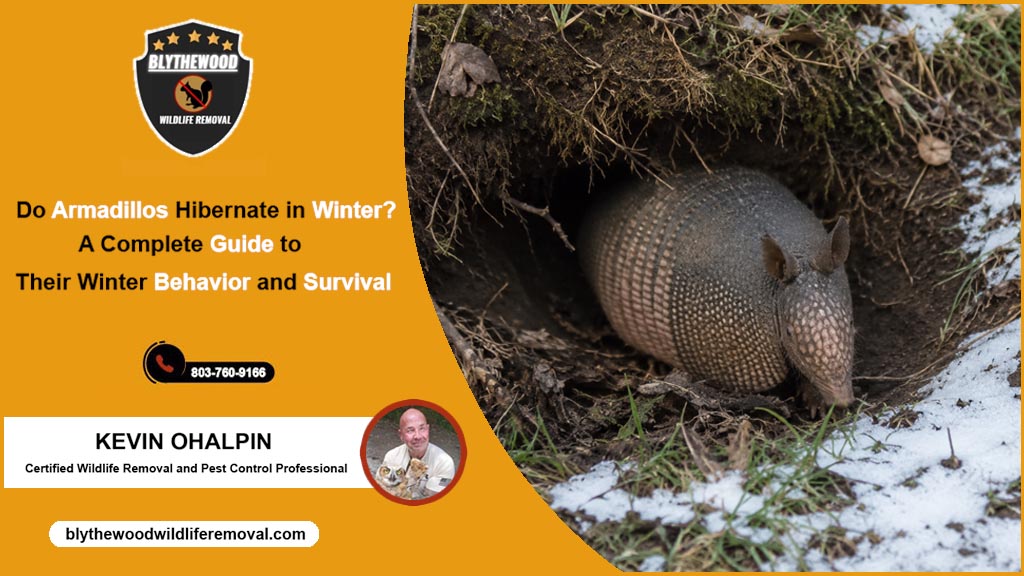
Do Armadillos Hibernate in Winter? A Complete Guide to Their Winer Behavior and Survival
September 16, 2026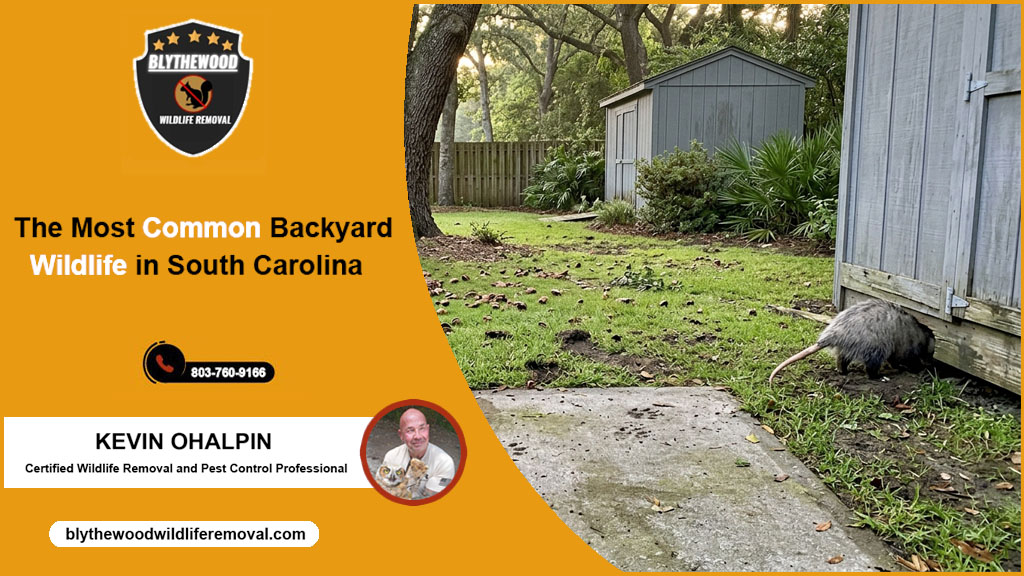
If you live anywhere around Columbia, Lexington, or the surrounding Midlands, you’ve probably had some kind of wildlife pass through your yard. South Carolina has the perfect mix of woods, water, and warm weather, which means backyard wildlife is just part of life here. Most of it is harmless. Some of it isn’t. Knowing what you’re actually dealing with makes a big difference in how you handle it.
Here’s a rundown of the animals we get called about the most, what draws them in, and what to actually do if one shows up.
Raccoons
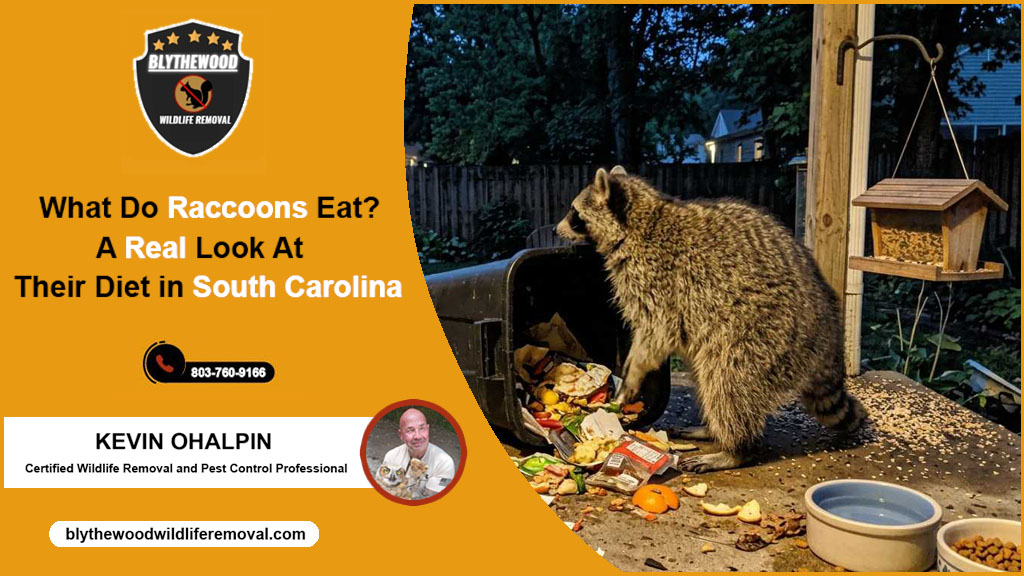
Raccoons are probably the most common call we get. They’re smart, they have hands that can open latches and lids, and they’ll eat almost anything. Trash cans, pet food left outside, gardens, even koi ponds, raccoons will check all of it.
The bigger issue is that raccoons don’t just visit; they move in. Attics, chimneys, and crawl spaces are prime real estate for a raccoon looking for a warm, dry place to raise young. Once a raccoon settles in, it can tear up insulation, chew wiring, and leave a mess of droppings behind. They also carry rabies and roundworm, so a raccoon that won’t leave on its own is worth taking seriously. If you’re seeing regular raccoon activity, professional raccoon removal is usually the fastest way to actually solve it instead of just chasing the same animal off night after night.
Opossums
Opossums get lumped in with raccoons a lot, but they’re a completely different animal. They’re not aggressive, they don’t build permanent dens, and they actually eat a lot of ticks, which helps more than it hurts. Still, an opossum denning under your porch or deck is going to leave droppings and a musty smell behind, and they’ll dig through trash and gardens just like raccoons will.
Opossums are also more likely to show up if pet food is left out at night or if there’s an easy gap under a shed or deck to hide in. If one has already settled in, opossum removal is a straightforward fix, and it usually includes sealing whatever gap let it in to begin with.
Squirrels
Squirrels are everywhere in South Carolina, and most of the time they stay outside where they belong. The problem starts when one finds a gap in the roofline or a vent that it can chew through. Once inside an attic, squirrels chew on wiring and wood, which is a real fire risk, not just an annoyance.
Squirrels are also fast breeders, so one squirrel in your attic often means a nest, not a single animal. Our squirrel removal process usually starts with figuring out exactly how they got in, since sealing that gap after removal is what actually keeps them from coming back next season.
Snakes
South Carolina has around 38 snake species, and most homeowners will run into one eventually. The good news is that most snakes are harmless and are actually doing you a favor by eating rodents. The bad news is that a handful of species, including copperheads, are venomous and common enough that you need to know how to tell the difference.
Snakes usually show up because something else drew them in first, tall grass, woodpiles, or a rodent problem you didn’t know you had. If you’re not sure what species you’re looking at, the safest move is to leave it alone and call for snake or reptile removal rather than trying to identify or handle it yourself. Even non-venomous snakes will bite if they feel cornered.
Armadillos and Skunks
These two don’t come up as often as the animals above, but they’re still common enough around South Carolina yards to mention. As the summer starts, armadillos come out and start digging for grubs and insects, which can tear up a lawn or garden bed overnight. Skunks are mostly a nuisance because of the smell, and they’ll spray if startled, especially if they’re denning close to the house.
Both animals are generally more of a property nuisance than a serious threat, but if one is denning under a structure, it’s worth having it checked out the same way you would any other burrowing animal.
Other wildlife that can show up inside your home
Bats
Bats are more of a hidden problem than a visible one. Most homeowners don’t realize they have a bat colony until they hear scratching in the attic at night or notice a strong smell coming from the guano building up. Bat droppings carry a fungus that can cause a respiratory illness called histoplasmosis, so this isn’t something to ignore once you notice it.
Bats are also protected under state and federal law in certain situations, which means removal has to be done in a specific way and at the right time of year. Bat and guano removal by a licensed team handles both the animal and the cleanup, which matters here more than with most other wildlife.
Rats and Mice
Rodents are less dramatic than raccoons or snakes, but they’re just as much of a problem. Mice and rats can squeeze through gaps you’d never think an animal could fit through, and once inside, they chew wires, contaminate food, and multiply fast. A pair of mice can turn into a real infestation within a matter of weeks.
Signs usually show up before you see the animal itself: droppings near the kitchen or attic, chewed packaging, or scratching sounds at night. Mice or rats removal typically involves trapping along with sealing entry points, since rodents will keep finding new ways in if the original gap isn’t fixed.
Why Wildlife Keeps Showing Up in the First Place
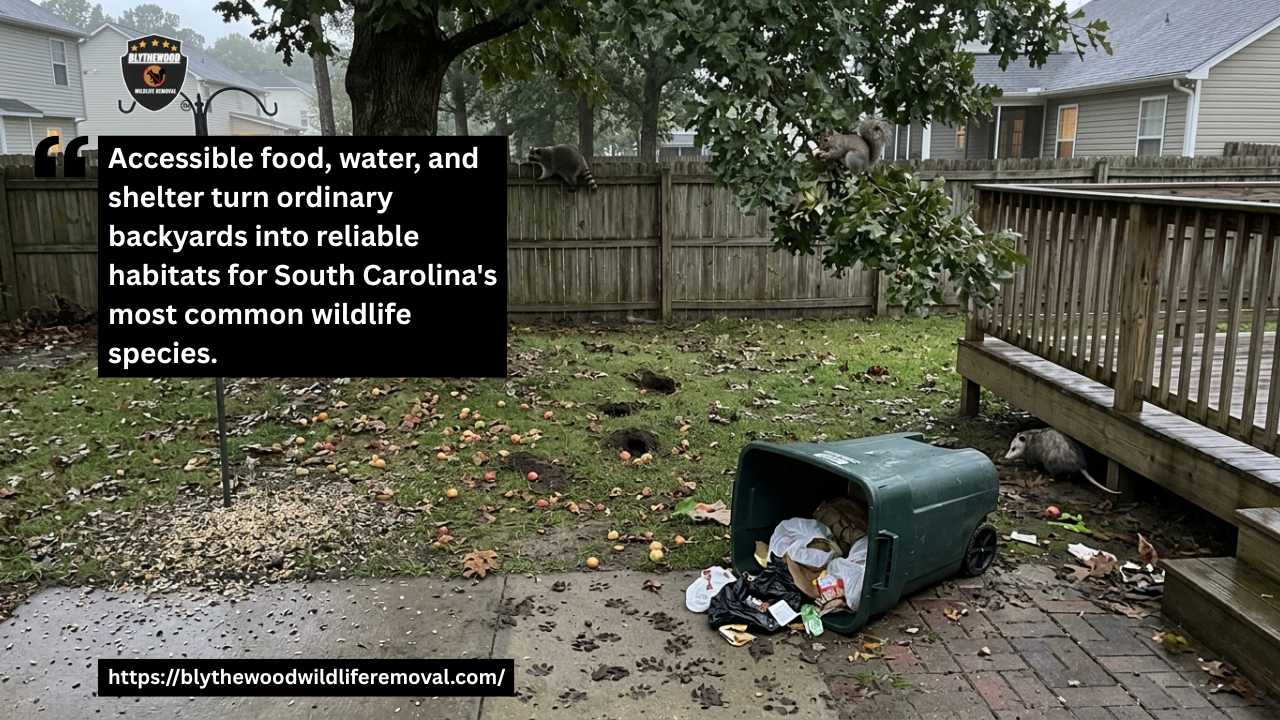
Almost every animal on this list is drawn in by the same two things: food and shelter. Trash cans without secure lids, pet food left outside, fallen fruit, and gaps under decks or in rooflines are basically an open invitation. Sealing entry points around your home is one of the most effective things you can do, since it removes the shelter option for almost every species on this list, not just one.
Wildlife activity around Columbia has also been increasing as neighborhoods expand into what used to be wooded land. That’s part of why wildlife removal in Columbia, SC, has become such a common search for homeowners who didn’t have this problem a few years back. Development pushes animals closer to houses instead of further away.
When It’s More Than a One-Time Visitor
A raccoon crossing your yard once isn’t the same as a raccoon denning in your attic. The same goes for every animal on this list. If you’re hearing repeated noises at night, noticing damage to vents or insulation, or seeing the same animal return night after night, that usually means it’s found shelter somewhere on the property rather than just passing through.
This is where a full inspection matters more than a quick fix. Sealing one gap without checking the rest of the property often just means the same animal, or a different one, finds the next weak spot. This applies just as much for homeowners around wildlife removal in Lexington, SC, as it does for Columbia, since the same species and the same entry points show up across the whole Midlands.
What Attic Wildlife Signs Actually Mean
Scratching in the attic, torn vents, and droppings near a crawl space are some of the clearest signs that an animal has moved in rather than just visited. This overlaps across raccoons, squirrels, bats, opossums, and even snakes, which is why proper attic inspections matter so much. Identifying the actual species first changes how the removal needs to be handled, since a bat colony and a squirrel nest are not dealt with the same way.
Let Blythewood Wildlife Removal Handle The Situation
We’ve handled just about every animal on this list across South Carolina for over 15 years. Most homeowners who call us have already tried a few things on their own, secured the trash, moved the pet food inside, maybe sealed an obvious gap, and the animal is still showing up. That usually means there’s a shelter spot or entry point that hasn’t been found yet.
If you’re dealing with wildlife in your yard, attic, or crawl space, give us a call at 1-803-760-9166. We handle full inspections, humane trapping, and exclusion work so the problem doesn’t come back once it’s gone. We’re veteran-owned, available 24/7, and we serve homeowners across Columbia, Lexington, and the rest of the Midlands. Get in touch with our team, and we’ll help you figure out exactly what’s on your property and what it’ll take to get rid of it for good.
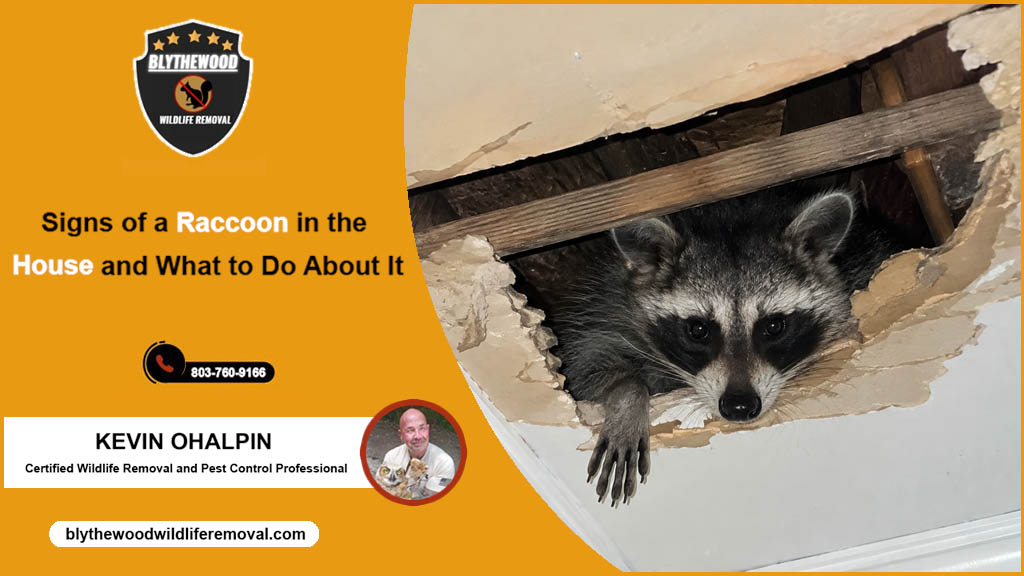
- Signs of a Raccoon in the House and What to Do About It - September 16, 2026
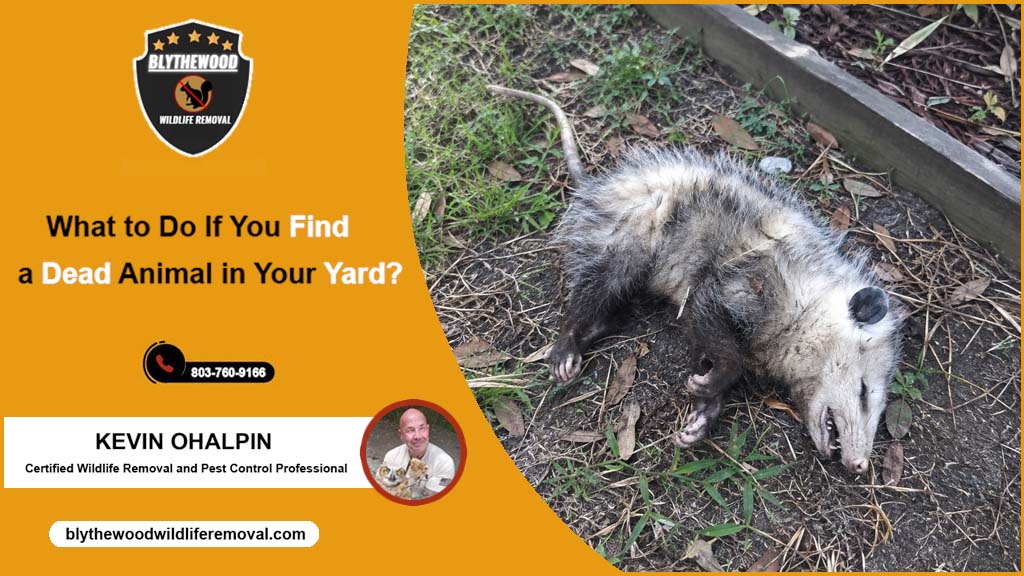
- What to Do If You Find a Dead Animal in Your Yard? - September 16, 2026
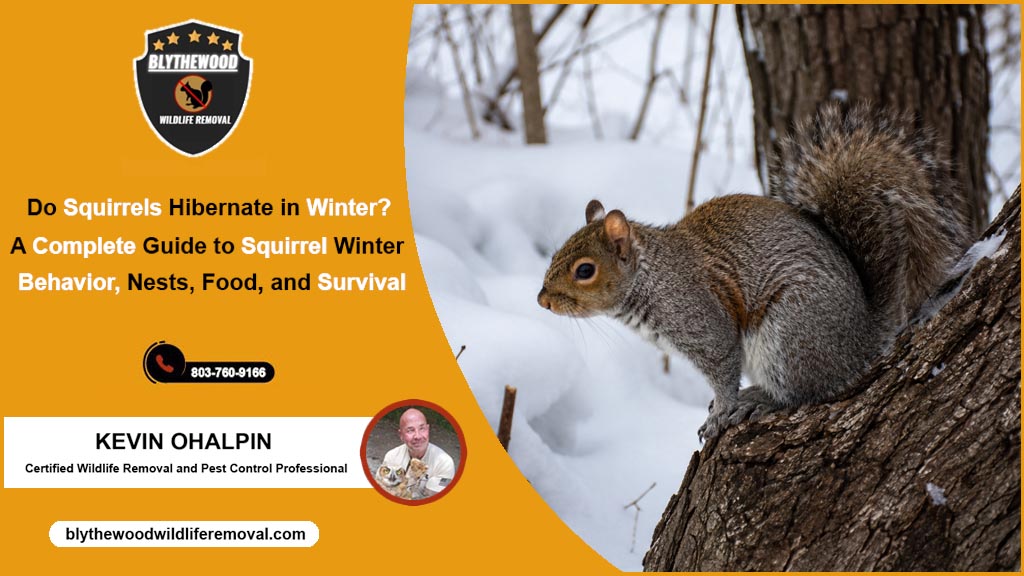
- Do Squirrels Hibernate in Winter? A Complete Guide to Squirrel Winter Behavior, Nests, Food, and Survival - September 16, 2026