
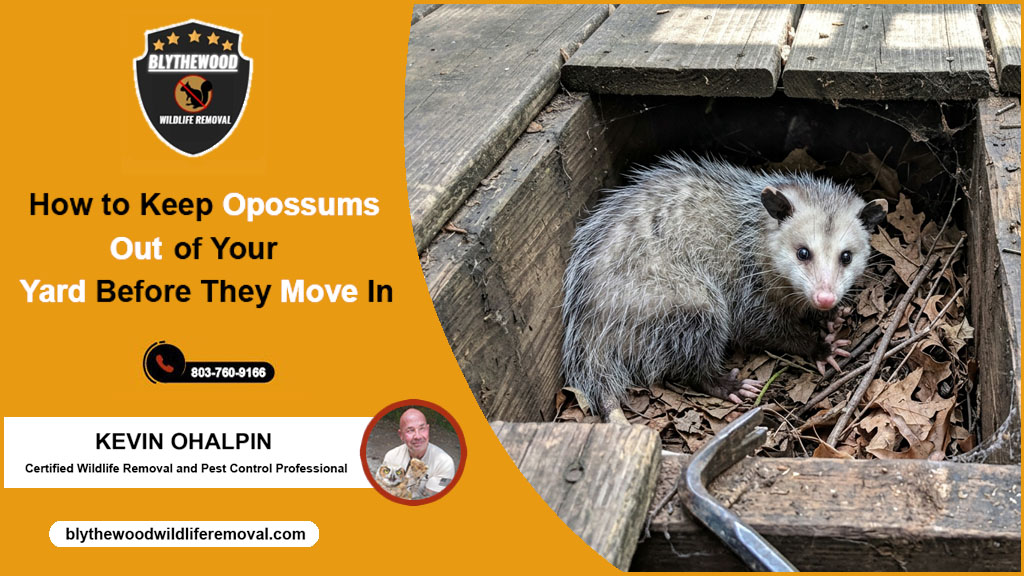
How to Keep Opossums Out of Your Yard Before They Move In
July 27, 2026
The Most Common Backyard Wildlife in South Carolina
July 27, 2026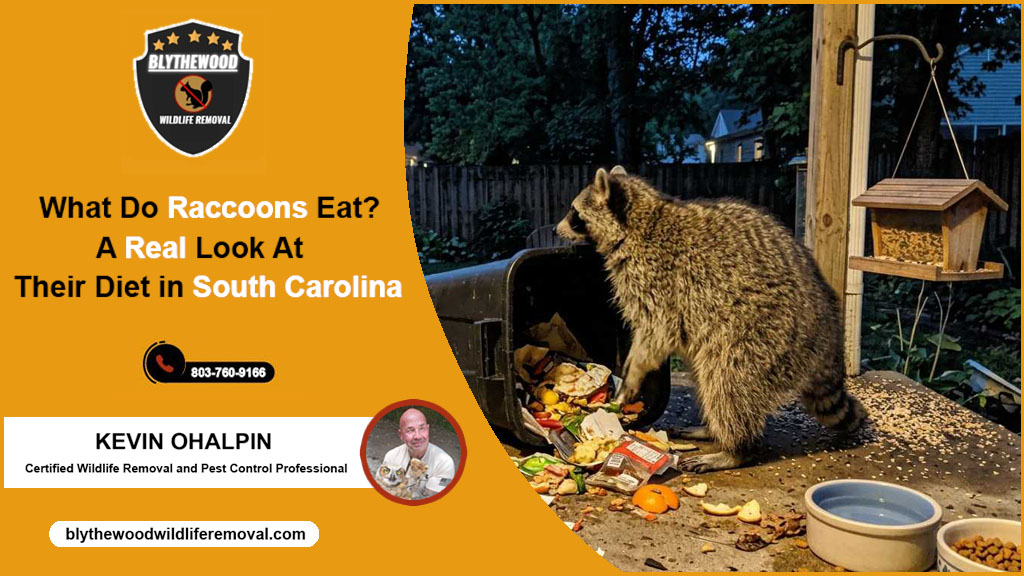
If you’ve ever woken up to a knocked-over trash can or found your bird feeder wrecked, you’ve probably asked yourself what do raccoons eat and why they keep picking your yard over the neighbor’s. We get this question a lot from homeowners around Lexington and Columbia, usually right after they’ve had a run-in with one at 2 am. So let’s just get into it.
Raccoons are not picky eaters. That’s really the short answer. They’ll eat almost anything they can get their paws on, and that’s exactly why they end up causing so much trouble for people. Understanding what raccoons eat is honestly the first step in figuring out why they showed up on your property in the first place, and what you can do to make your place less appealing to them.
What Do Raccoons Eat in the Wild?
In their natural habitat, raccoons are omnivores. That means they eat both plants and animals, and their diet actually changes a lot depending on the season and what’s available around them. In the wild, a raccoon’s diet usually includes:
- Insects like beetles, grubs, and grasshoppers
- Crayfish, frogs, and small fish from creeks or ponds
- Bird eggs and sometimes baby birds
- Nuts, berries, and wild fruit
- Corn and other crops, when they’re growing near wooded areas
South Carolina has plenty of creeks, wooded lots, and farmland, which honestly makes it a pretty good spot for raccoons to find food without ever needing to bother a house. But once a neighborhood expands into what used to be their territory, that changes fast, something we see constantly across Columbia and nearby towns. The animals don’t really leave; they just adapt to what’s around, and what’s around is us.
What Do Raccoons Eat Around Your House?
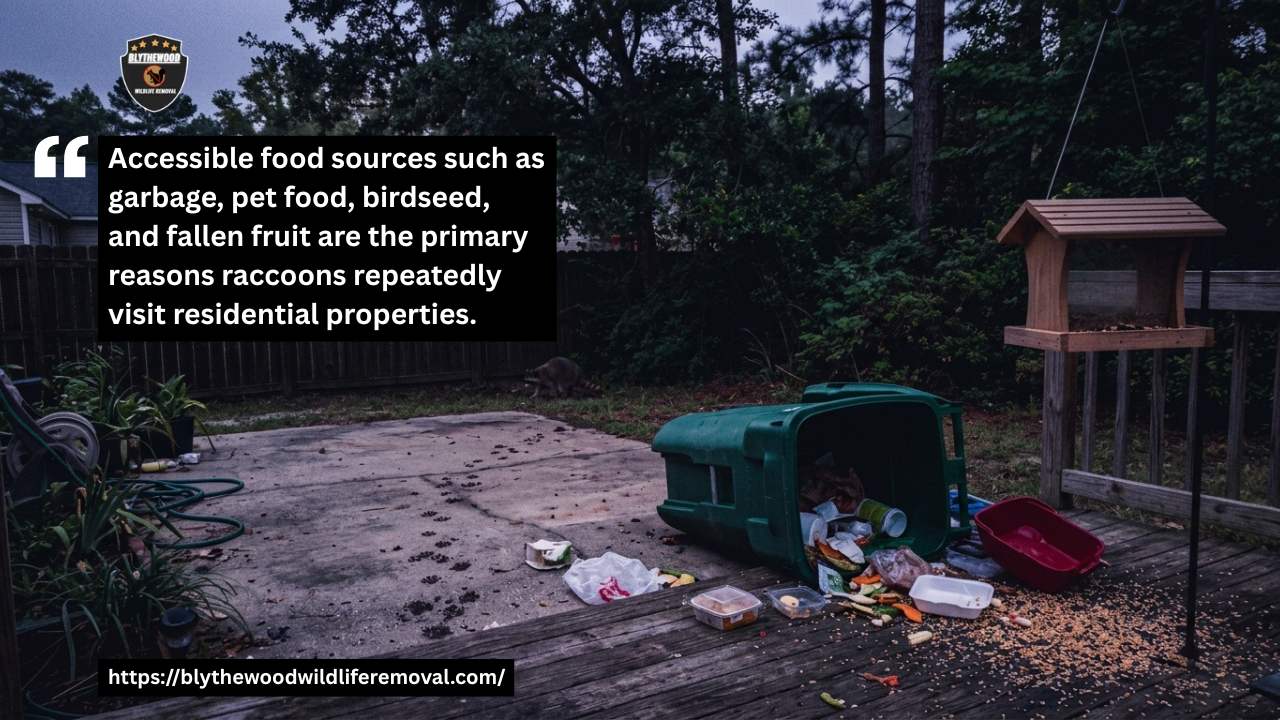
This is where it gets personal for most folks calling us. Once a raccoon figures out that your property has an easy food source, it’s going to keep coming back, and it’ll usually bring friends or offspring along eventually.
Garbage is probably number one. Trash cans without secure lids are basically a dinner bell, and this is exactly why galvanized steel mesh and locking bins around your home’s entry points matter so much.
Pet food left outside overnight is another huge draw, same with unsecured compost piles. Fallen fruit under trees, vegetable gardens, and even koi ponds are all fair food sources. We’ve had customers who couldn’t figure out why their fish kept disappearing until we pointed out raccoon tracks around the pond edge.
They’re also smart enough to remember where a food source was, which is part of why spotting the same raccoon wandering your backyard at night tends to happen over and over once it starts. If a raccoon had a good meal at your place once, it’s coming back to check again.
What Makes Raccoons Such Aggressive Scavengers?
It’s really about the paws. A raccoon’s front paws have close to five times the touch sensitivity of a cat’s, which lets it identify food by feel alone before it even looks at what it’s holding. That’s the real reason you’ll see one “dunking” something near a creek or a pond, it’s not washing the food, it’s inspecting it with its hands the way we’d use our eyes.
That same proficiency is what lets a raccoon pop open a trash can lid, unlatch a loose gate, or pry apart a bird feeder that should’ve kept it out. Add a strong sense of smell and a memory that holds onto good food spots for months, and you end up with an animal that’s simply better equipped to exploit a neighborhood than most other wildlife in South Carolina.
There’s a seasonal piece to this too. Raccoons feed more aggressively in late summer and early fall, packing on fat before the colder months. That’s usually when calls about torn-up gardens and knocked-over trash cans spike around Lexington and Columbia, sometimes at the same house two or three nights in a row.
And it’s worth mentioning the risk side of this. Because raccoons will eat spoiled food and carrion without hesitation, they’re a common carrier of roundworm and can transmit rabies through a bite or scratch. That’s one more reason it’s worth dealing with a raccoon early instead of letting it feed at your place for a few weeks and hoping it wanders off on its own.
What Do Baby Raccoons Eat?
If you’ve got a raccoon family denning near or inside your property, this question comes up a lot too. Baby raccoons, called kits, nurse from their mother for the first couple of months. After that, the mother starts bringing them along on foraging trips, teaching them to find the same insects, fruit, and scraps that adult raccoons rely on.
This is actually one of the trickier situations we deal with, and it’s a big reason why families end up denning inside attics across South Carolina, since a mother raccoon with young is going to be far more determined to keep returning to a reliable food source, especially somewhere warm and hidden.
Does Knowing What Raccoons Eat Actually Help?
Yes, and here’s why.
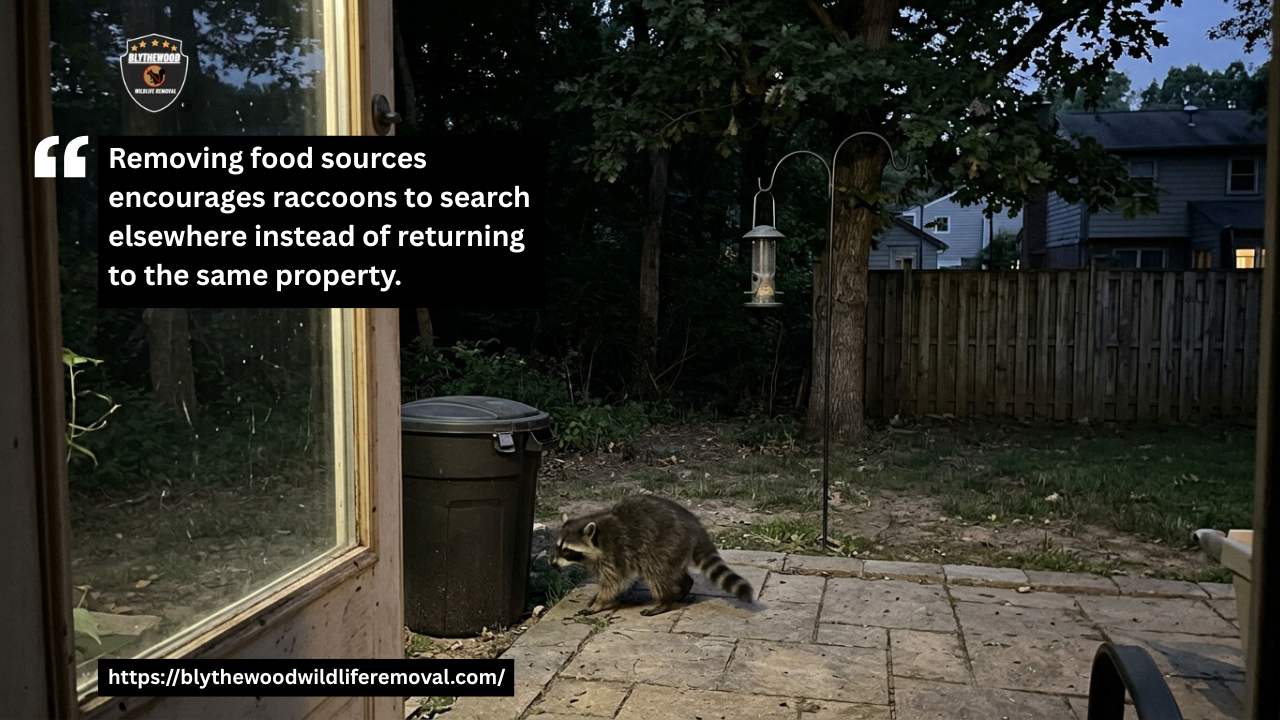
Most raccoon problems aren’t really about the raccoon itself; they’re about access. If a raccoon can’t find food or shelter easily on your property, it’s a lot less likely to stick around or bring its whole family along.
Keep trash cans latched or store them somewhere the raccoon can’t tip them over. Bring pet food inside at night instead of leaving bowls out. Pick up fallen fruit from the yard regularly. Cover compost bins with something raccoons can’t pry open.
None of this guarantees a raccoon won’t show up, because these animals are stubborn and resourceful. But it does cut down the odds significantly, and it’s a lot easier to deal with occasional visitors than a family that’s decided your property is home.
Food Access Can Become Attic Problem
Here’s the thing about raccoons, once food gets them onto your property, shelter is usually the next thing they’re after. That’s often how a backyard visitor turns into raccoons living in your attic or under your deck. If you’re already hearing noises at night or noticing torn vents, the food source is probably only part of the issue at that point, and sealing off entry points becomes just as important as removing the food.
We’ve handled plenty of cases across Lexington and Columbia where what started as raccoons raiding trash cans turned into a full nesting situation a few weeks later. It happens faster than most people expect, and what wildlife removal actually costs once it gets to that point tends to climb the longer the situation sits.
Get Help From Blythewood Wildlife Removal
We’ve been dealing with raccoons across South Carolina for over 15 years now, and honestly, most of the calls we get start the same way. Someone noticed food disappearing or trash getting scattered, and by the time they call us, the raccoon has already moved in or is close to it.
If you’re dealing with raccoons getting into your trash, garden, or attic, give us a call at 1-803-760-9166. Our humane raccoon trapping and removal process starts with figuring out exactly what’s drawing them in, so we can help make sure they don’t just come right back. We’re veteran-owned, available 24/7, and we’ve built our reputation on doing this the right way, without unnecessary harm to the animal or your property.
Whether you’re in Columbia, Lexington, or anywhere else in the Midlands, we’d rather help you solve the food and access problem now than deal with a full attic removal later. Get in touch with our team whenever you’re ready; we’re happy to talk through what’s going on before it turns into something bigger.
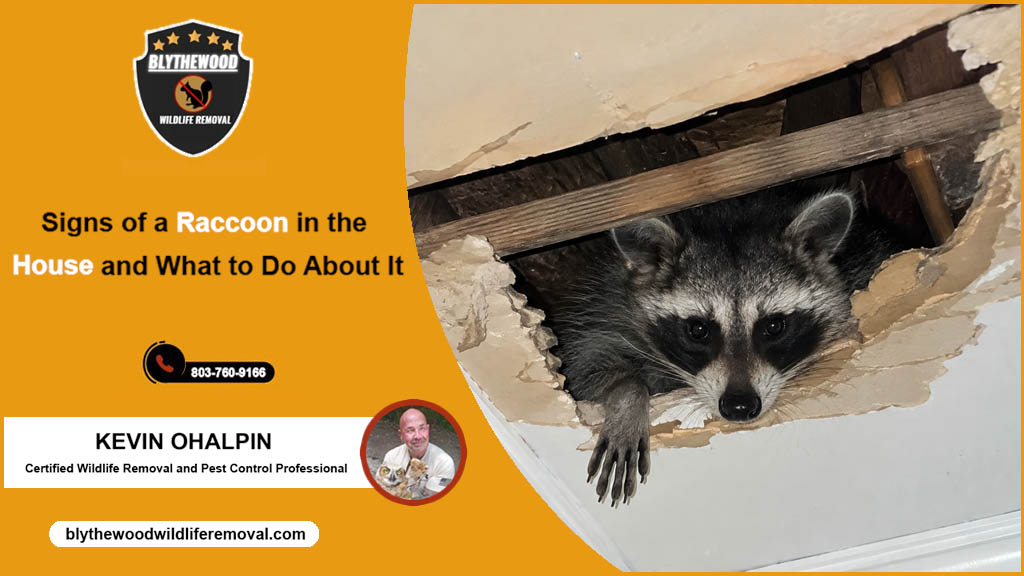
- Signs of a Raccoon in the House and What to Do About It - September 16, 2026
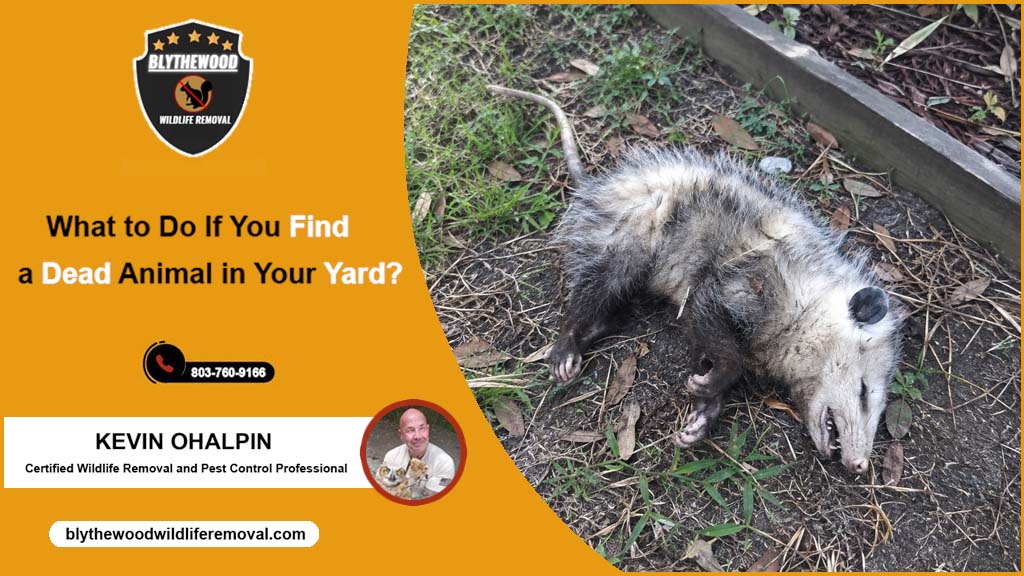
- What to Do If You Find a Dead Animal in Your Yard? - September 16, 2026
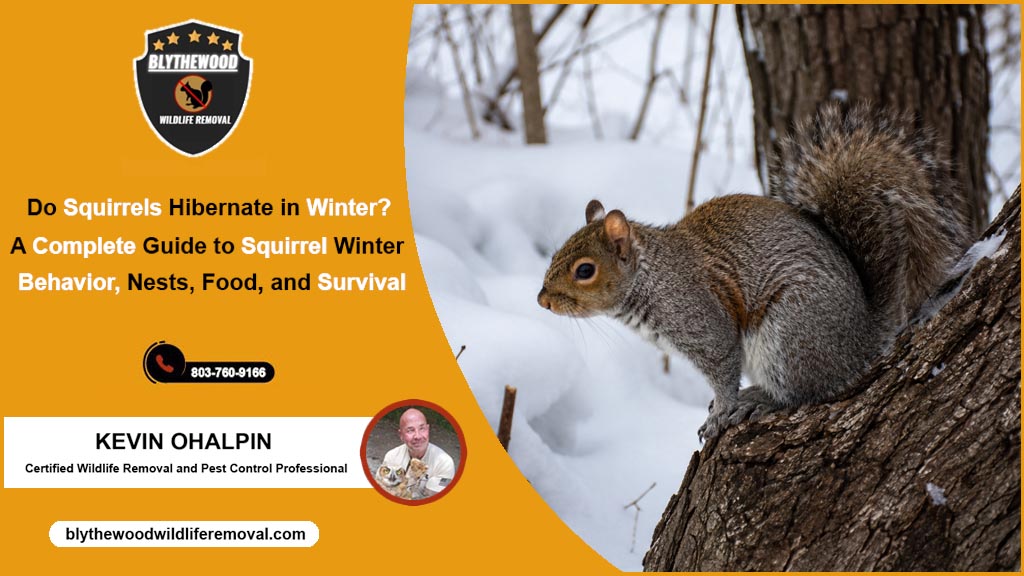
- Do Squirrels Hibernate in Winter? A Complete Guide to Squirrel Winter Behavior, Nests, Food, and Survival - September 16, 2026