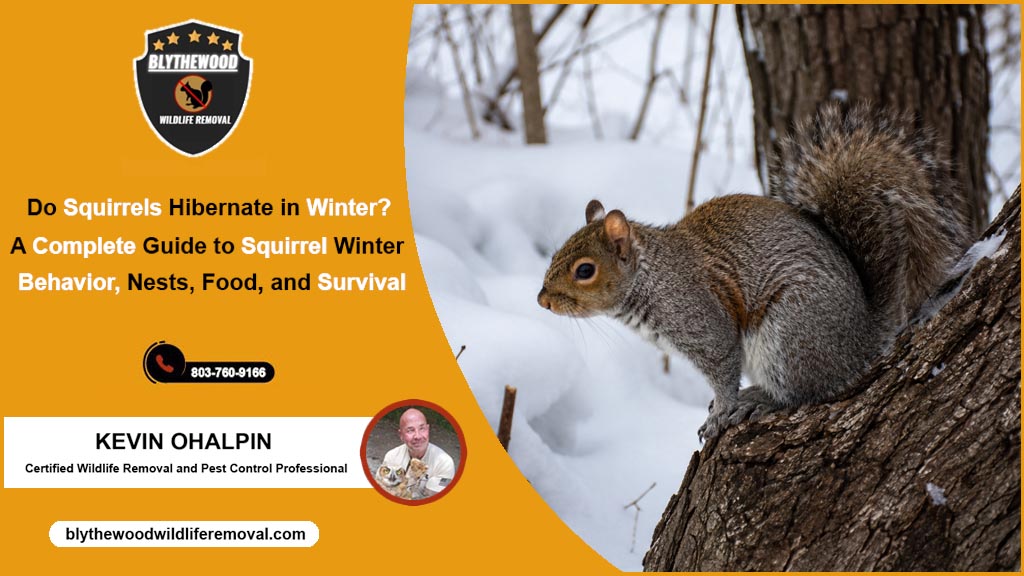
Do Squirrels Hibernate in Winter? A Complete Guide to Squirrel Winter Behavior, Nests, Food, and Survival
September 16, 2026
Signs of a Raccoon in the House and What to Do About It
September 16, 2026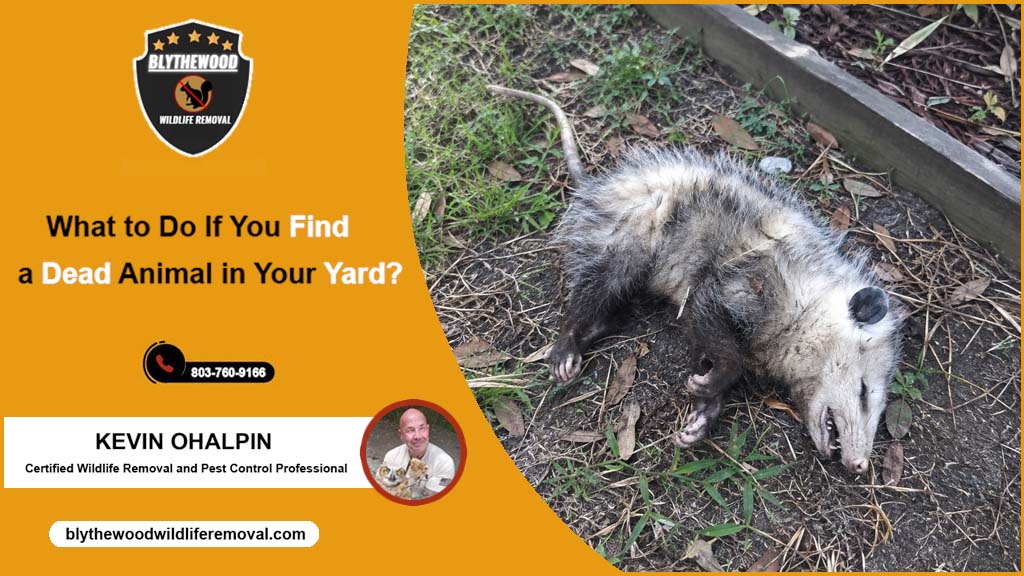
I get calls about dead animals more often than people expect. It’s usually a raccoon, opossum, or squirrel that’s turned up near a fence line, under a deck, or out in the open yard, and the homeowner is stuck between not wanting to touch it and not knowing who else to call. So here’s how I’d walk through it if it were my own yard.
Figure Out Roughly How It Died First
Before you do anything, take a look from a distance. Most of the time, a dead animal in the yard is just nature running its course. Animals get hit by cars and make it a little further before they stop, older animals die of natural causes, and predators occasionally leave a partial kill behind. None of that requires much concern beyond safe disposal.
What I do want people to pay closer attention to is anything unusual about how the animal looks or acted before it died. Visible wounds that don’t match a typical predator attack, an animal that was seen stumbling or acting disoriented in the days before, or multiple dead animals turning up in the same area over a short stretch of time are all worth taking more seriously. That pattern can point to disease rather than a one-off death.
Don’t Touch It With Bare Hands
This is the part people skip, and it’s the one that actually matters. Dead animals can carry parasites, bacteria, and, in some cases, viruses like rabies that remain a risk even after the animal has died. Raccoons, bats, and foxes are the species I’d be most cautious with in South Carolina, since they’re the most common rabies vector species in our area.
If you’re dealing with it yourself, wear thick gloves at minimum, avoid direct skin contact, and don’t let pets or kids near the animal until it’s been removed. If the animal shows any of the disease warning signs I mentioned above, I’d skip DIY removal entirely and call it in instead of taking a chance.
How to Safely Remove and Dispose of It
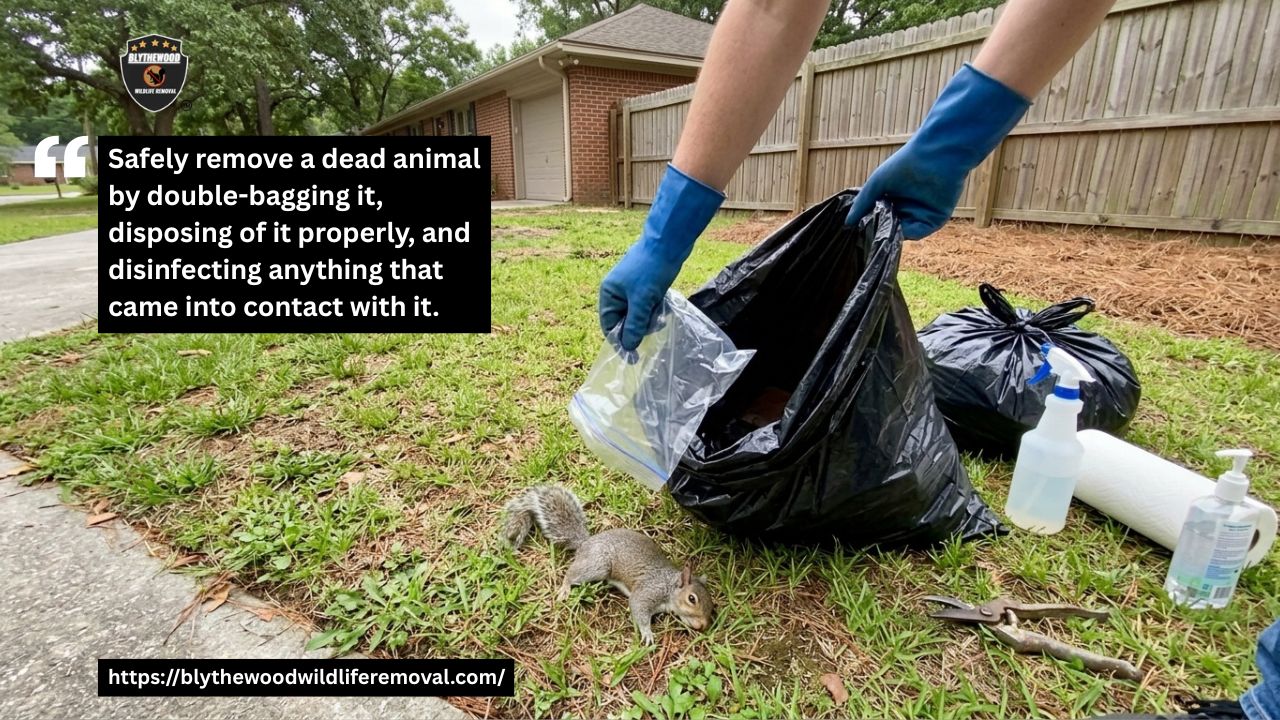
For a straightforward case, like a squirrel or bird that died of natural causes in your Columbia, SC yard, the general process looks like this:
Double-bag the animal using a heavy-duty trash bag, seal it tightly, and dispose of it according to your local municipal guidelines, which in most parts of the Midlands means regular household trash pickup rather than requiring a special service. Afterward, wash your hands thoroughly and disinfect any tools or gloves that made contact.
Larger animals, animals showing signs of disease, or anything you’re simply not comfortable handling are all good reasons to have it removed professionally instead. I’d rather someone call me for something small than handle something risky on their own.
When You Can Smell It but Can’t Find It
This one comes up a lot. An animal dies somewhere inside a wall cavity, under a crawl space, or inside an attic, and instead of finding a body in the yard, homeowners are stuck with a smell that gets worse by the day with nothing visible to point to. If that’s your situation, it’s usually not a yard problem at all. It’s a sign an animal got into your home’s structure before it died. I’ve gone into more detail on how to figure out what’s moving around in your walls in this piece on identifying nighttime intruders in Columbia homes, which covers the sounds and signs that usually come before this happens.
Once an animal has died inside a structure, the smell alone isn’t something that resolves on its own, and locating and removing the carcass usually means opening up drywall, insulation, or ductwork depending on where it ended up. This is also where full cleanup matters just as much as removal, since the site needs to be sanitized properly afterward, which I cover in this guide on attic cleanup after a wildlife infestation.
A Dead Animal Can Point to a Bigger Wildlife Problem
One dead animal in the yard usually isn’t a sign of anything ongoing. But if it’s happening repeatedly, or if you’re also noticing signs of live animals getting into your home, like torn vents or gaps around the roofline, that’s worth connecting the dots on. Wildlife dies near the same entry points it uses to get in and out, so recurring dead animal finds near one specific area of your property are sometimes a clue that something is actively using that spot as an access point. I walk through the most common weak spots I find on inspections in this post on sealing entry points, which is usually the next step once an active wildlife problem is confirmed.
What About Pets Finding a Dead Animal First
If your dog or cat gets to a dead animal before you do, keep them away from it and rinse their mouth or paws if there was direct contact. Watch for any signs of illness over the following days, and call your vet if anything seems off, especially if the dead animal was a species known to carry parasites or if you’re unsure how long it had been there.
When It Makes Sense to Call a Professional
I’d call in a situation involving a larger animal, anything showing possible signs of disease, a dead animal in a hard-to-reach spot like a chimney or wall cavity, or honestly anytime you’d just rather not handle it yourself. It’s a fast, low-cost visit in most cases, and it takes the guesswork and the risk off your hands.
Get in Touch
If you’ve found a dead animal on your property and you’re not sure what to do next, give us a call. We serve homeowners throughout Columbia, SC, and the Midlands, and we handle calls out toward Lexington, SC as well, with same-day service available when scheduling allows.
Blythewood Wildlife Removal (Available 24 hours)
Call or text: 1-803-760-9166
Email: [email protected]
Lexington: 122 Woodcraft Dr, Lexington, SC 29073
Columbia: 1314 Lincoln St, Columbia, SC 29201
- Signs of a Raccoon in the House and What to Do About It - September 16, 2026
- What to Do If You Find a Dead Animal in Your Yard? - September 16, 2026
- Do Squirrels Hibernate in Winter? A Complete Guide to Squirrel Winter Behavior, Nests, Food, and Survival - September 16, 2026